


Fall Roof Inspection Checklist for Minnesota Homes: What to Look at After Storm Season, from Shingle Wear to Flashing, Before the First Snow Locks It In

Five-star NorBrook Construction client reviews

Share this article

Your fall roof check in Minnesota should cover six things before the first snow sticks: shingles, flashing, sealants, gutters, attic ventilation, and the ice barrier at your eaves. A professional visual inspection in the Twin Cities metro typically runs $150 to $300, which is a small price next to a winter leak that soaks drywall and insulation for months. At NorBrook Construction, our crews treat fall as the last clean window to find storm damage while you can still see it, reach it, and fix it. Once snow covers the roof, small problems stay hidden until they show up as ceiling stains in February.


We approach every fall inspection the same way we approach a build: methodically, with photos, and with a clear written report. You get a list of what we found and what needs attention now versus what can wait until spring. The checklist below is the one our project managers walk through on west metro homes every October.

Essential Minnesota Fall Roof Inspection Checklist

This is the sequence our crews follow, starting from the ground and working up. You can do the ground-level items yourself with binoculars. Leave anything that requires a ladder on a pitched roof to us.


  1. Gutters and downspouts: Clear leaves, check for sagging hangers, and confirm downspouts discharge at least a few feet from the foundation. Clogged gutters are the starting point for most ice dams we see.
  2. Shingle surface: Look for missing tabs, curling edges, cracks, and dark patches where granules have washed away.
  3. Flashing: Inspect metal around chimneys, skylights, vent pipes, and wall intersections for lifting, rust, or gaps.
  4. Sealants and pipe boots: Rubber boots around plumbing vents crack after a few summers of UV exposure. Caulked joints shrink and pull away.
  5. Eaves and ice barrier: Minnesota's building code requires a self-adhering ice barrier membrane at all eaves, extending at least 24 inches past the interior wall line. On older roofs, we confirm it's actually there.
  6. Attic ventilation and insulation: Warm air escaping into the attic melts snow from below, which feeds ice dams. We check soffit vents, ridge vents, and insulation depth.
  7. Interior signs: Water stains on ceilings, damp insulation, or daylight through roof boards.


Work through this list in September or October. Our schedule fills fast once the first hard frost hits.

Evaluating Shingle Integrity and Flashing After Storm Season

Summer storms in the west metro leave damage that is easy to miss from the driveway. Hail strikes, wind uplift, and falling branches all weaken a roof in ways that don't leak right away but fail under the weight of snow and freeze-thaw cycles. Here's what that means for you: a roof that looked fine in August can let water in by January.


Identifying Hail Bruising and Granule Loss


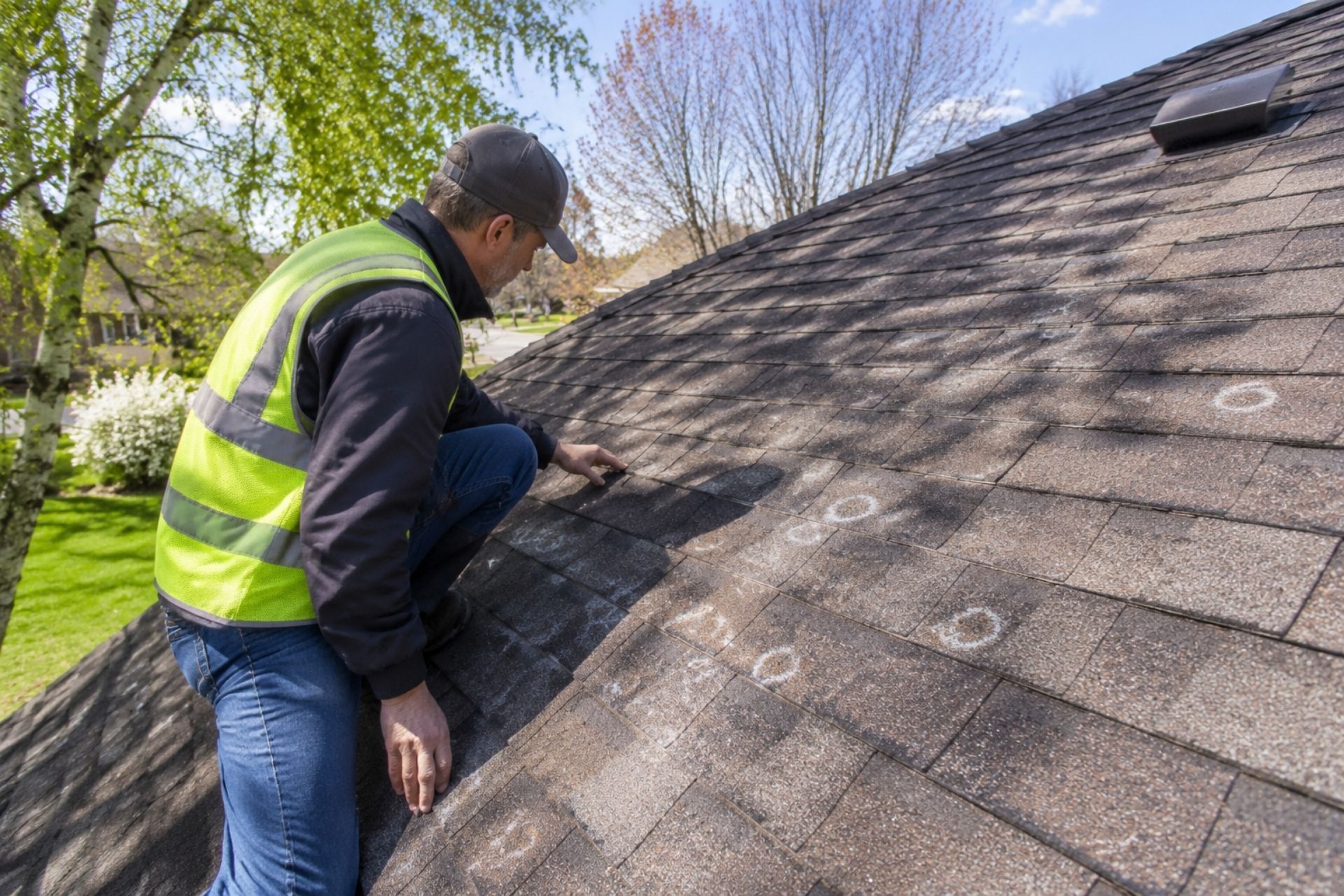
Hail bruises look like soft, dark spots on asphalt shingles where the granules have been knocked loose. When our crews press on a bruise, it often feels spongy, like a ripe piece of fruit. That exposed asphalt breaks down quickly under sun and ice, which shortens the life of the shingle.


Granule loss shows up in other places too. Check your gutters and the bottom of downspouts for what looks like coarse black sand. A handful after a big storm is normal on a newer roof, but heavy buildup on a roof past its midlife is a warning sign. We photograph every bruise we find so you have documentation if you decide to file an insurance claim.


Checking Sealants and Metal Flashing Points


Flashing is where most of the leaks we repair actually start, not the shingles themselves. Chimney flashing pulls away as brick and mortar shift. Step flashing along a sidewall can lift after a wind event, and the sealant at the top edge dries out and cracks.


Our crews check every penetration: plumbing vents, exhaust fans, skylights, and satellite mounts. We look for rust streaks, gaps you can slide a putty knife into, and nail heads backing out. The catch is that resealing over failed flashing only buys a season or two. If the metal itself is bent or corroded, we replace it rather than caulk it.

Comparing Maintenance Costs and Repair Tiers

The cost of fall roof work depends almost entirely on what the inspection turns up. Visual inspections in the Minneapolis-St. Paul metro typically run $150 to $300; everything past that is priced after we've been on the roof. Here are the tiers homeowners usually weigh and how we advise on each.

Option What It Covers Cost Basis What NorBrook Recommends and Why
DIY ground check Binocular scan, gutter cleaning, attic look Your time only Good every fall, but it misses flashing and hail bruising. Pair it with a pro inspection after any major storm.
Professional visual inspection Full roof walk, photos, written report Typically $150-$300 in the metro Our default recommendation for any roof over 10 years old or hit by hail this year.
Targeted repair Reflashing, pipe boot replacement, shingle patching Quoted after inspection Best when damage is isolated and the roof has years left. We fix it before snow arrives.
Partial or full replacement New underlayment, ice barrier, shingles, flashing Quoted after inspection When damage is widespread or the roof is near end of life. Fall installs beat emergency winter work.

That said, some homeowners consider building to the IBHS FORTIFIED standard during a replacement. Under Minnesota Statute 65A.298, insurers must offer premium discounts for FORTIFIED-certified homes, so we walk clients through that option when a full replacement is on the table.

Why Homeowners Trust NorBrook for Minnesota Winters

Every fall, storm chasers knock on doors across the metro after a hail event. They're often gone by Thanksgiving, along with any warranty. Minnesota law gives you some protection here: you can cancel a roofing contract within 72 hours of receiving notice from your insurer that your claim was denied. We'd rather you never need that right, which is why we're upfront about who we are.


Local Expertise and Safety Certifications


All residential roofing contractors working in Minnesota must be licensed by the Department of Labor and Industry. NorBrook Construction holds Minnesota residential building contractor license BC80875, and you can verify it through the DLI license lookup. We're also EPA lead-safe certified (LFC-281), which matters if your home was built before 1978 and the job involves disturbing painted trim or fascia.


Safety on a steep roof in October wind isn't optional. Our leadership is OSHA 30 trained, and that training shapes how our crews set up fall protection on every job. NorBrook was founded by brothers Robb and Seth Norling with Charlie Brookins, and those names are on the work.


Dedicated Project Management in Maple Plain


We're based in Maple Plain and serve the Twin Cities west metro and surrounding communities. When you hire us for a fall inspection or repair, a dedicated project manager owns your job from the first visit through final cleanup. You get updates daily or weekly, depending on the scope, so you're never guessing when the crew is coming back. Because we're a full-service general contractor, if the inspection uncovers rotted fascia, failing siding, or attic ventilation issues, one team handles all of it. Call us at 763-237-5114 to schedule.

Frequently Asked Questions About Fall Roof Care

How late in the fall can you still repair a roof in Minnesota? We can do many repairs into November, but asphalt shingle sealant strips need warmth to bond properly. For replacements, we push clients to book in September or early October so the shingles seal before deep cold sets in.


Will my insurance cover hail damage from earlier this summer? It depends on your policy and filing deadlines, so check those first. We document damage with dated photos, which gives your adjuster something concrete to review.


Do I need to be home for the inspection? Not for the exterior portion. We do ask for attic access, since ventilation and moisture problems often show up there before they show on the roof.


Can I just use roof rake and skip the inspection? A roof rake helps reduce snow load and ice dam risk, but it won't reveal cracked flashing or hail bruising. Rake in winter, inspect in fall.


How do I know if my roof has an ice barrier? You usually can't tell from the outside. Our crews can check at the eave edge or during a repair, and any replacement we do includes ice barrier to current code.

Your Next Step with NorBrook

Every roof we inspect in October is one that doesn't surprise its owner in February. The difference between a $250 inspection and a winter emergency is usually a single cracked pipe boot or a lifted flashing seam that nobody looked at in time. If your roof took hail this summer, is over a decade old, or has given you an ice dam before, now is the time to get eyes on it.


Book a fall roof inspection with NorBrook Construction for your Maple Plain or west metro home, and a dedicated project manager will handle everything from the first roof walk to the written report and any repairs that follow. You'll know exactly what you're dealing with before the snow locks it in. Request a Free Estimate online, or call us directly at 763-237-5114 to get on the schedule this season.

Recent Posts

Hail Damage Roof Claims in Minnesota: How the Insurance Process Works, What Adjusters Look For, and
4 November 2026
Learn how Minnesota hail damage roof claims work, what insurance adjusters inspect, and how the state matching rule may support full roof replacement.
How to Check a Minnesota Contractor License: The DLI Lookup, BC License Numbers, the Recovery Fund,
4 November 2026
Learn how to verify a Minnesota contractor license using the DLI lookup, check BC numbers, understand Recovery Fund protection, and spot red flags.
How Much Does It Cost to Build a Custom Home in Minnesota: A Line-Item Look at Land, Site Work, Cons
4 November 2026
Explore the cost of building a custom home in Minnesota, including land, site preparation, construction expenses, permits, and material allowances.
What Attic Ventilation Actually Does in Minnesota: Intake, Exhaust, and Balance, Plus the Winter Sym
4 November 2026
Learn how attic ventilation works in Minnesota, from soffit intake to ridge exhaust, and spot winter warning signs like frost, moisture, and ice dams.
Can You Replace Windows in a Minnesota Winter: How Cold-Weather Installation Works, Room-by-Room Seq
4 November 2026
Discover how winter window replacement works in Minnesota, including cold-weather installation, room-by-room scheduling, costs, and energy savings.
Why Minnesota Gutters Overflow in Late Fall: Leaf Load, Undersized Downspouts, Pitch Problems, and t
4 November 2026
Discover why Minnesota gutters overflow in late fall and how proper cleaning, downspout sizing, gutter repairs, and drainage prevent foundation damage.
How to Winterize Your Deck in Minnesota: Cleaning, Sealing Windows of Opportunity, Furniture and Pla
4 November 2026
Learn how to winterize your Minnesota deck with expert tips on cleaning, sealing, snow protection, and preventing furniture, planter, and moisture damage.
What Is a Tenant Improvement Allowance in Minnesota
4 November 2026
Learn how tenant improvement allowances work in Minnesota, including TI rates, lease structures, build-out costs, permits, budgeting, and tenant control.
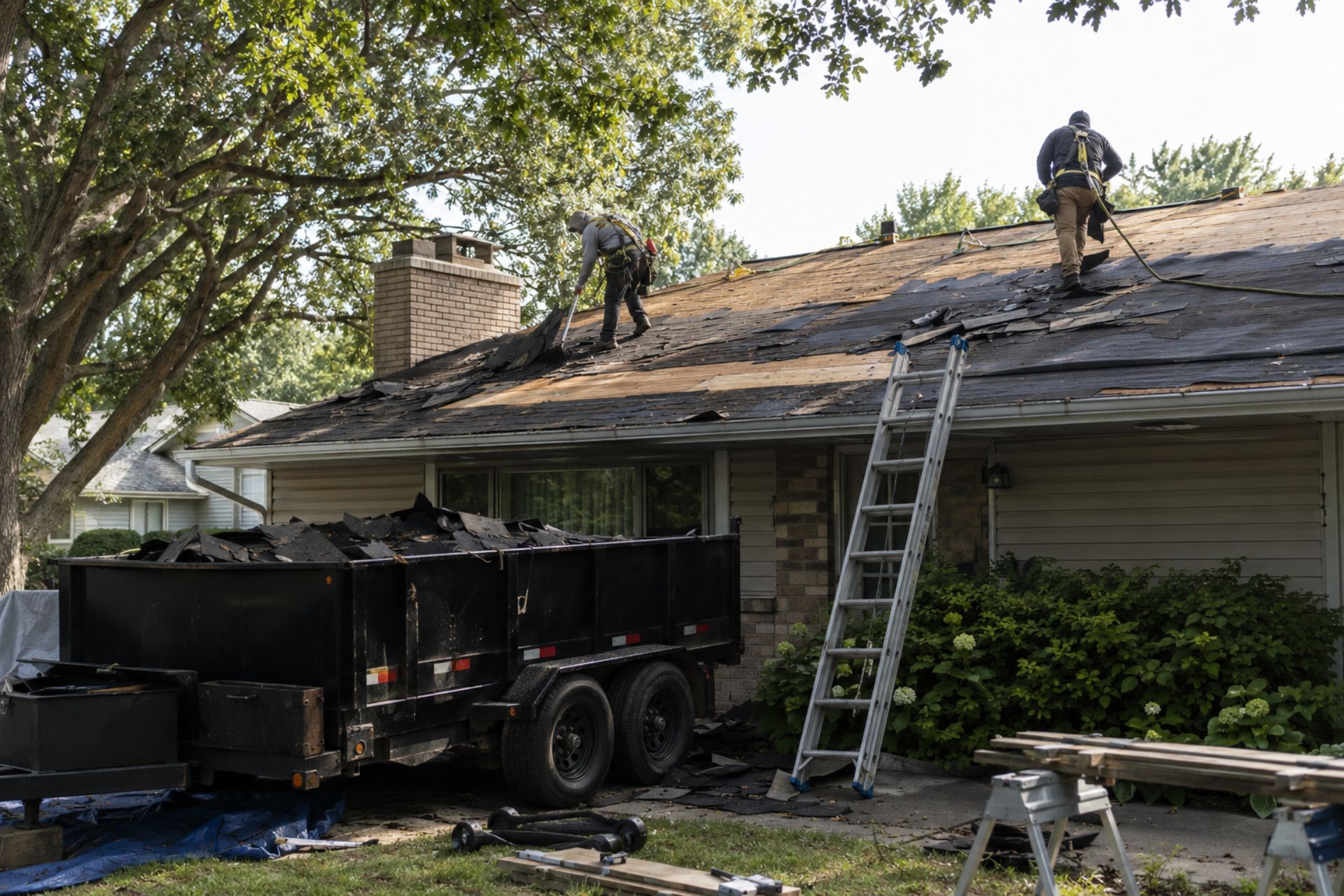
How Long Does a Roof Last in Minnesota
4 November 2026
Learn how long roofs last in Minnesota, including lifespans by material, weather impacts, warning signs, maintenance, and replacement timing.
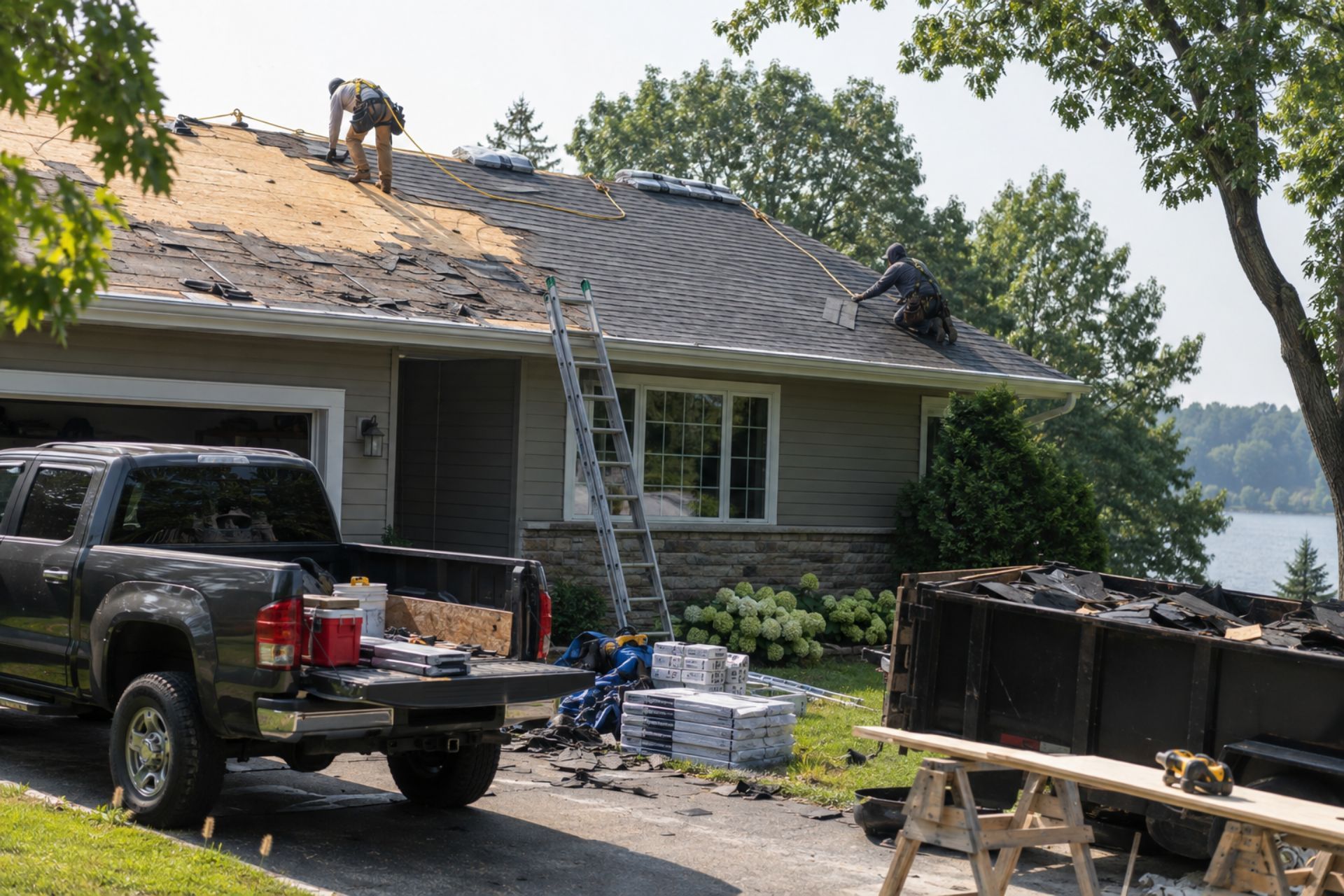
Do Class 4 Shingles Lower Home Insurance Premiums in Minnesota
4 November 2026
Learn how Class 4 shingles can lower Minnesota home insurance premiums, reduce hail claims, and deliver long-term savings and roof protection.
Show More