


How Long Does a Roof Last in Minnesota

Five-star NorBrook Construction client reviews

Share this article

Most roofs in Minnesota last between 15 and 25 years, though the exact number depends heavily on the material, installation quality, and how well the home handles our winters. That's a wide range, and we get asked about it constantly. At NorBrook Construction, we've replaced roofs across the Twin Cities metro that were barely 12 years old and others that held strong past 30. The difference almost always comes down to three things: the right material for the climate, proper attic ventilation, and catching small problems before they become expensive ones.


If you're a Minnesota homeowner wondering whether your roof has another winter in it, or you're weighing options for a new build or re-roof, this is the honest breakdown our project managers share with clients every week. We'll cover what actually holds up here, what doesn't, and what we recommend based on what we see on job sites from Maple Plain to downtown Minneapolis.

Average Lifespan of Minnesota Roofing Materials

The manufacturer's warranty on your shingles tells you almost nothing about how long your roof will actually perform in this state. Minnesota's climate is uniquely punishing: we swing from -20°F in January to 95°F in July, and that thermal cycling beats roofing materials far faster than the same products installed in milder regions. Standard asphalt shingles here typically last only 15 to 20 years despite warranties that often promise 25 or 30.


That gap between warranty and reality catches a lot of homeowners off guard. When we talk with clients about how long a roof lasts in Minnesota, we always start with the honest numbers rather than the marketing ones.


Asphalt Shingles vs. Metal and Cedar


Three-tab asphalt shingles are the cheapest option, and they show it: 12 to 18 years is realistic here. Architectural (dimensional) shingles do better, typically hitting 18 to 25 years with proper ventilation. Metal roofing is where the math starts to favor long-term investment: standing seam metal panels can last 40 to 60 years and handle snow loads and ice far better than asphalt. Cedar shake roofs fall somewhere in between at 20 to 30 years, but they demand maintenance that most homeowners underestimate.


Our crews install all four types, and we're straightforward about the trade-offs. Metal costs roughly twice what architectural shingles do upfront, but you'll likely re-roof with asphalt two or three times in the same span. Cedar looks beautiful on lake homes and custom builds, but if you're not prepared to treat and inspect it every few years, it deteriorates fast in our humidity.


The Impact of Minnesota's Freeze-Thaw Cycles


Here's what actually kills roofs in this state: water gets into tiny cracks during a thaw, then freezes and expands overnight. That cycle can repeat dozens of times between November and April. Each freeze event widens the crack slightly, loosens granules on shingles, and works fasteners loose on metal panels.


We typically see the worst damage on north-facing roof slopes, where snow sits longer and the freeze-thaw pattern is more aggressive. South-facing slopes get more solar heating, which clears snow faster but also accelerates UV degradation of asphalt. There's no winning side of the house: the whole roof takes a beating, just in different ways. That's why our project managers inspect both orientations carefully during pre-winter assessments.

Key Factors That Shorten Roof Life in the Twin Cities

A roof doesn't fail all at once. It fails in specific, predictable ways that are almost always preventable. The two biggest killers in the Twin Cities metro are ice dams and hail, and both are more about building science and preparation than luck.


Ice Dam Formation and Attic Ventilation


Ice dams form when heat escapes through the attic, melts snow on the upper roof, and that meltwater refreezes at the cold eaves. The ice builds up, water pools behind it, and eventually works under the shingles. We've torn off roofs where ice dam damage had rotted the decking down to the rafters.


The fix isn't a better shingle: it's better attic insulation and ventilation. When we do a roof replacement, we always evaluate the attic airflow. Proper soffit-to-ridge ventilation keeps the roof deck cold and prevents the uneven melting that causes dams in the first place. We tell every client the same thing: a $2,000 ventilation upgrade can add five or more years to a roof's life.


Summer Storms and Hail Damage


Minnesota averages multiple significant hail events per year, and the Twin Cities metro sits squarely in the active zone. Hail damage has become a major factor in roof replacement timing across the state, and insurance carriers have tightened their policies in response. Many homeowners don't realize their roof has hail damage until a leak appears the following spring.


Impact-resistant shingles (Class 4 rated) cost about 10 to 15% more than standard architectural shingles, and many insurers offer premium discounts for installing them. We recommend Class 4 shingles on every re-roof we do in the metro. The combination of insurance savings and extended roof life makes the upfront cost easy to justify.

Comparing Roofing Tiers: Costs and Durability

We get asked for ballpark numbers constantly, so here's a realistic comparison for a typical 2,000-square-foot Minnesota home in 2026. These reflect installed costs with proper underlayment, ice and water shield, and flashing: the full job, not just materials.

Roofing Material Installed Cost Range Realistic MN Lifespan Insurance Discount? NorBrook Recommendation
3-Tab Asphalt $8,000 - $11,000 12 - 18 years No Only for budget-constrained projects or rental properties
Architectural Asphalt $11,000 - $16,000 18 - 25 years Possible with Class 4 Our most common install: best balance of cost and durability
Class 4 Impact-Resistant $13,000 - $18,000 20 - 28 years Yes, typically 15-28% What we recommend for most metro homeowners
Standing Seam Metal $22,000 - $35,000 40 - 60 years Sometimes Best for forever homes and custom builds
Cedar Shake $18,000 - $28,000 20 - 30 years No Beautiful but requires ongoing maintenance commitment

The cost of roof replacements has risen significantly in recent years due to material price increases and labor market changes. That trend makes the long-term math on metal and impact-resistant shingles even more compelling. Every year you can delay a re-roof, you're saving money against rising future costs.

Why Homeowners Trust NorBrook for Minnesota Roofs

We're not a roofing-only company, and that's actually an advantage. NorBrook Construction is a licensed Minnesota residential building contractor (license BC80875, verifiable through the Minnesota Department of Labor and Industry) that handles custom home builds, exterior remodeling, and commercial construction. When we replace a roof, we're evaluating it as part of the whole building envelope: siding, soffits, fascia, attic insulation, and ventilation all factor into our approach.


Founded by the Norling brothers and Charlie Brookins, we're based in Maple Plain and work across the western suburbs and greater Twin Cities metro. Every roofing project gets a dedicated project manager who provides regular updates and is reachable by phone. We don't hand off jobs to subcontractors and disappear.


Local Expertise from Maple Plain to the Metro


We've built and re-roofed homes from Orono to Eden Prairie to Plymouth, and the conditions vary more than you'd think even within the metro. Homes near lakes deal with higher humidity and more ice. Older neighborhoods in Minneapolis and St. Paul often have complex roof lines with valleys and dormers that trap snow. New construction in the western suburbs needs to meet current energy codes that affect attic ventilation requirements.


That local knowledge shapes every recommendation we make. We don't apply a one-size-fits-all approach because Minnesota homes aren't one-size-fits-all.


Safety Standards: OSHA 30 and Lead-Safe Certification


Roofing is one of the most dangerous trades in construction. Co-founder Seth Norling holds the OSHA 30 certification, and our crews follow strict fall protection and job site safety protocols on every project. For homes built before 1978, we carry EPA lead-safe certification (LFC-281), which is required by federal law for renovation work that disturbs painted surfaces.


These aren't marketing badges: they're legal requirements and professional standards that protect both our crews and your family. If a contractor can't show you their license number and safety certifications, that should tell you something.

Warning Signs Your Roof Won't Last Another Winter

Don't wait for a leak to appear inside your home. By the time water is dripping through your ceiling, the damage to the decking and structure is already significant. Here are the signs we tell our clients to watch for:


  • Shingle granules accumulating in gutters or at downspout exits, which means the protective coating is wearing off
  • Curling, cracking, or buckling shingles visible from ground level
  • Daylight visible through the roof boards when you look up in the attic
  • Dark stains or streaks on interior attic surfaces, even without active dripping
  • Flashing around chimneys, vents, or skylights that looks lifted, rusted, or separated
  • A roof that's 15 or more years old and has never been professionally inspected


If your roof shows multiple warning signs, the question isn't whether to replace it but when. Scheduling a replacement in spring or early summer gives you the best pricing and availability. Waiting until fall means competing with every other homeowner who just realized their roof won't survive another Minnesota winter.

Frequently Asked Questions About Roof Longevity

 Does my homeowner's insurance cover a full roof replacement after hail damage? It depends on your policy. Many Minnesota insurers have shifted to actual cash value (ACV) policies for roofs over 10 years old, which means they depreciate the payout based on age. We recommend reviewing your policy before storm season and considering an upgrade to replacement cost coverage if it's available.


Can I put a new layer of shingles over my existing roof? Minnesota building code allows up to two layers of asphalt shingles, but we rarely recommend it. The added weight stresses the structure, the new shingles don't lay as flat, and you lose the chance to inspect and repair the decking underneath. A tear-off costs more upfront but gives you a better, longer-lasting result.


How long does a metal roof last compared to shingles in this climate? Standing seam metal roofs routinely last 40 to 60 years in Minnesota, roughly two to three times longer than architectural asphalt shingles. The catch is the upfront cost: roughly double. For homeowners planning to stay in their home long-term, metal often makes financial sense over a 30-year horizon.


What time of year is best to replace a roof in Minnesota? Late spring through early fall gives us the best installation conditions. Asphalt shingles need temperatures above 40°F to seal properly. We start booking spring projects in February, and our summer schedule typically fills by April. Planning ahead gives you more flexibility on timing and pricing.


Do darker shingles wear out faster than lighter ones? Slightly, yes. Darker colors absorb more heat, which accelerates the aging of asphalt compounds over time. That said, the difference is modest compared to factors like ventilation and shingle quality. Pick the color you want for your home's appearance: the lifespan difference between charcoal and weathered wood is a year or two at most.


Will improving my attic insulation really extend my roof's life? Absolutely. Proper attic insulation and ventilation reduce ice dam formation, which is one of the top causes of premature roof failure in Minnesota. We've seen well-ventilated roofs outlast identical shingles on poorly ventilated homes by five to eight years. It's one of the best investments you can make alongside a new roof.

Your Next Step with NorBrook

Your roof is either protecting your home or slowly failing. If it's been 15 years since your last replacement, or you've noticed any of the warning signs above, the smartest move is getting a professional assessment before the next freeze cycle starts.


We'd love to talk through your specific situation. Our dedicated project managers handle every roofing project from the initial inspection through final cleanup, keeping you informed with regular updates throughout the process. Whether you need a full replacement, a repair assessment, or you're choosing materials for a custom build, we'll give you honest numbers and a clear plan.


Request a Free Estimate for your Minnesota roofing project, or call us directly at 763-237-5114. We'll walk your roof, evaluate your attic ventilation, and give you a straightforward recommendation: no pressure, no surprises.

Recent Posts

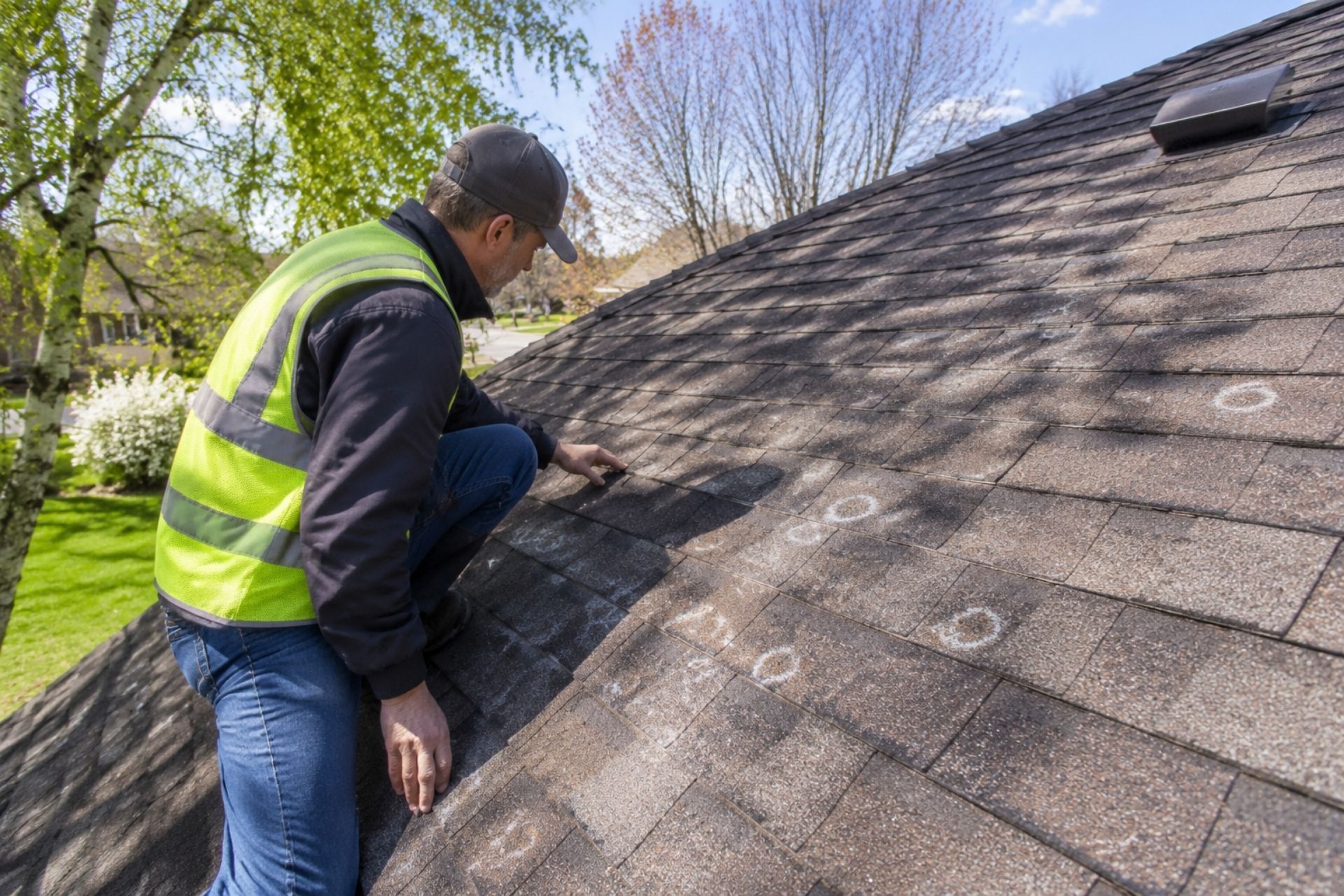
Hail Damage Roof Claims in Minnesota: How the Insurance Process Works, What Adjusters Look For, and
4 November 2026
Learn how Minnesota hail damage roof claims work, what insurance adjusters inspect, and how the state matching rule may support full roof replacement.
How to Check a Minnesota Contractor License: The DLI Lookup, BC License Numbers, the Recovery Fund,
4 November 2026
Learn how to verify a Minnesota contractor license using the DLI lookup, check BC numbers, understand Recovery Fund protection, and spot red flags.
How Much Does It Cost to Build a Custom Home in Minnesota: A Line-Item Look at Land, Site Work, Cons
4 November 2026
Explore the cost of building a custom home in Minnesota, including land, site preparation, construction expenses, permits, and material allowances.
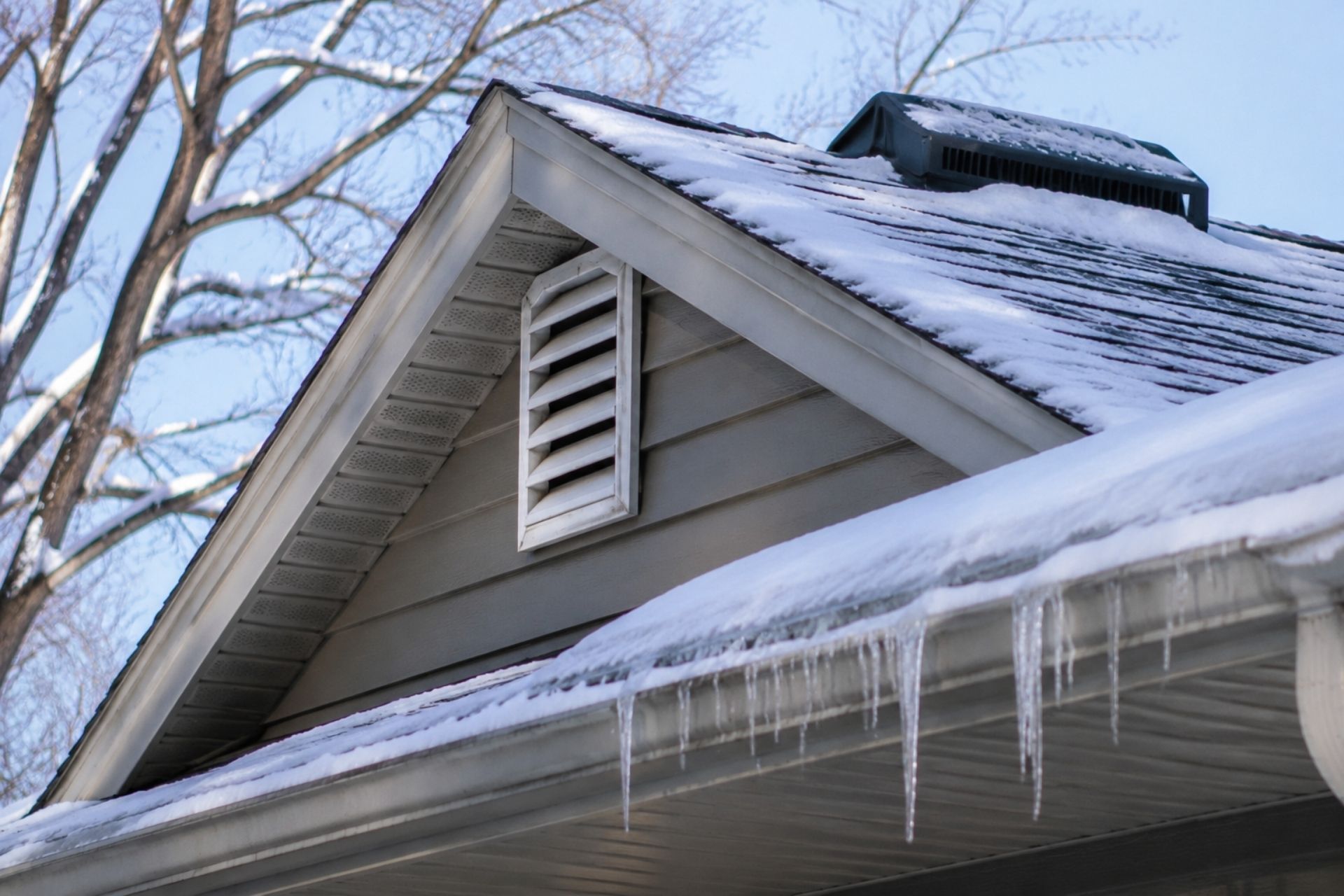
What Attic Ventilation Actually Does in Minnesota: Intake, Exhaust, and Balance, Plus the Winter Sym
4 November 2026
Learn how attic ventilation works in Minnesota, from soffit intake to ridge exhaust, and spot winter warning signs like frost, moisture, and ice dams.
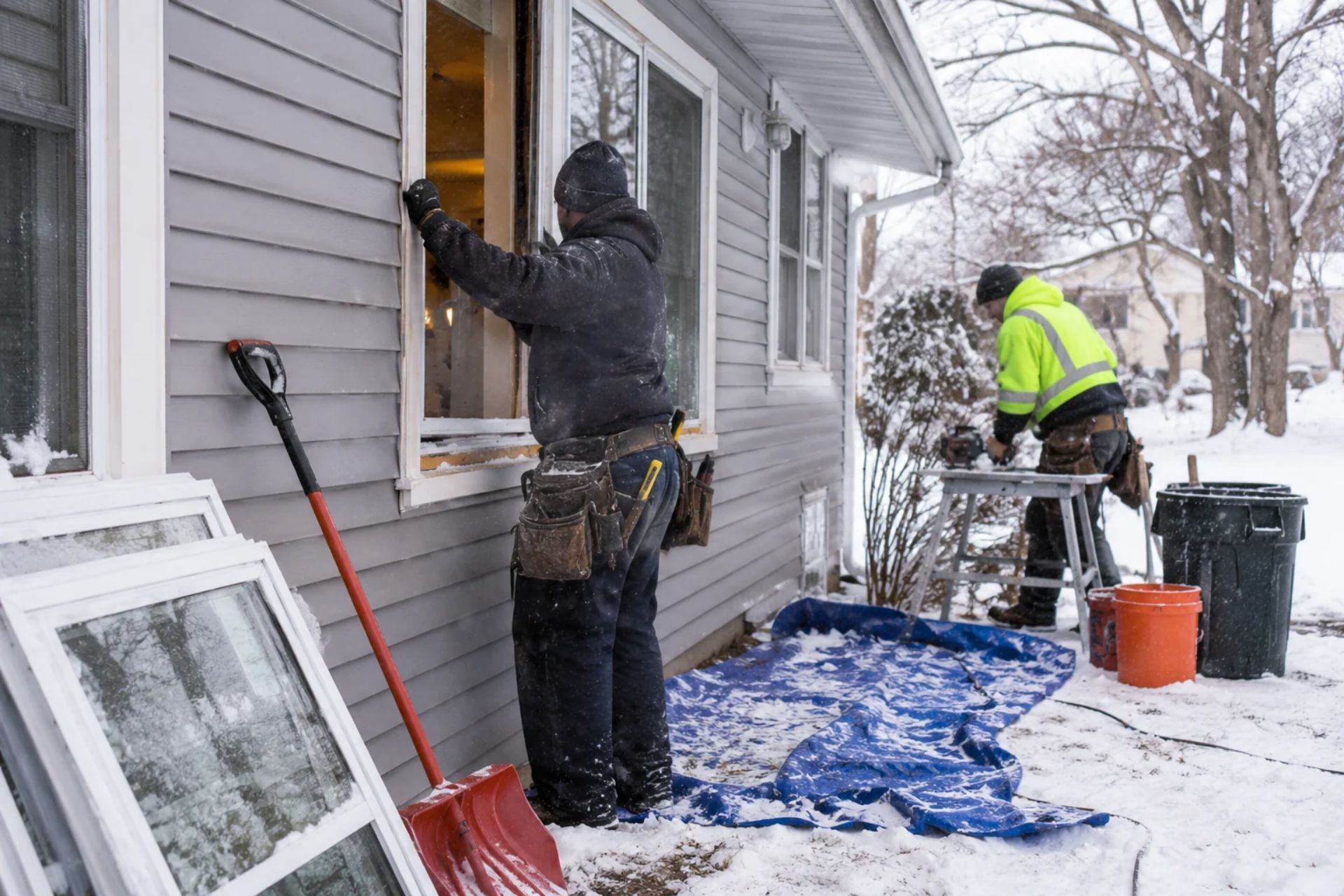
Can You Replace Windows in a Minnesota Winter: How Cold-Weather Installation Works, Room-by-Room Seq
4 November 2026
Discover how winter window replacement works in Minnesota, including cold-weather installation, room-by-room scheduling, costs, and energy savings.
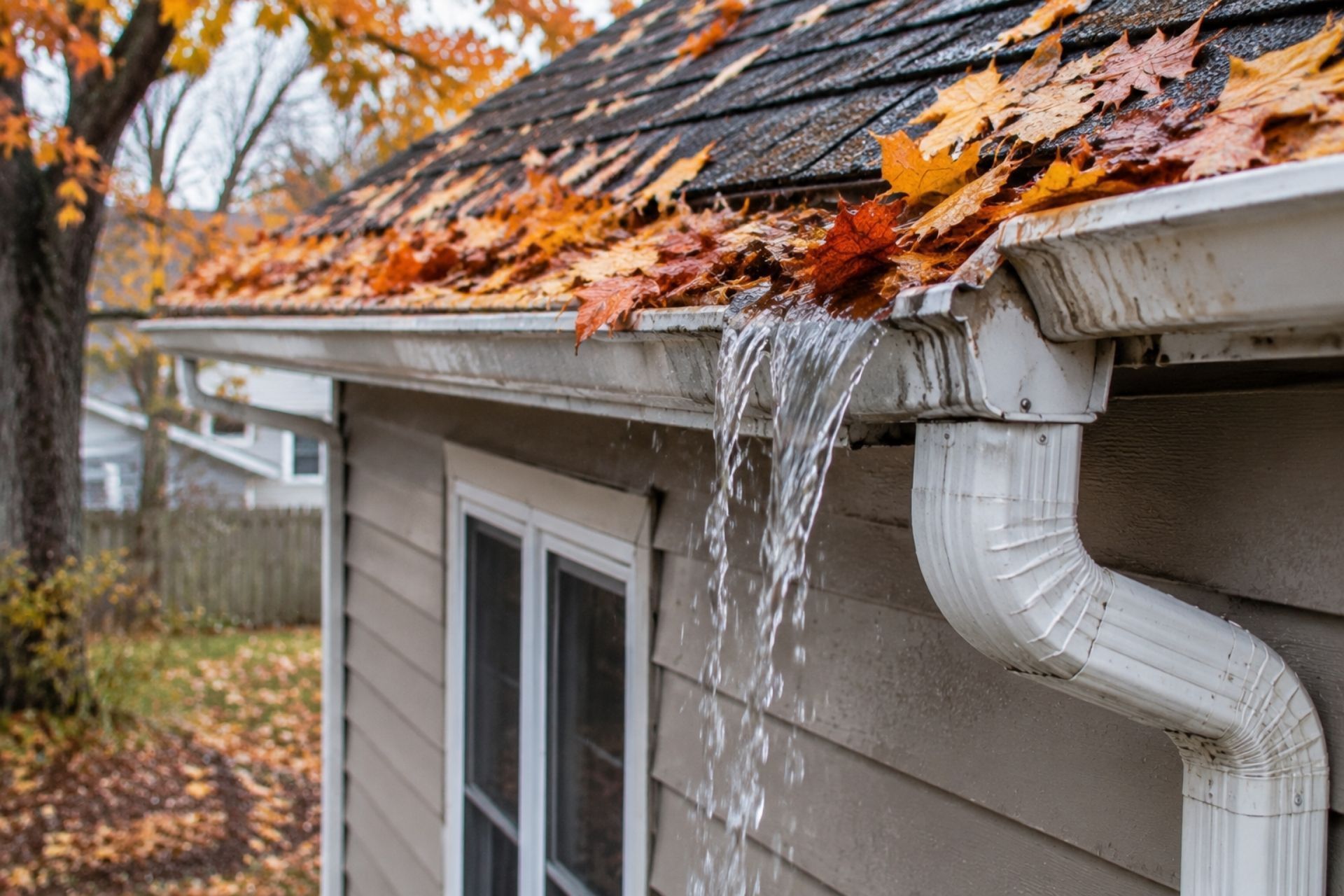
Why Minnesota Gutters Overflow in Late Fall: Leaf Load, Undersized Downspouts, Pitch Problems, and t
4 November 2026
Discover why Minnesota gutters overflow in late fall and how proper cleaning, downspout sizing, gutter repairs, and drainage prevent foundation damage.
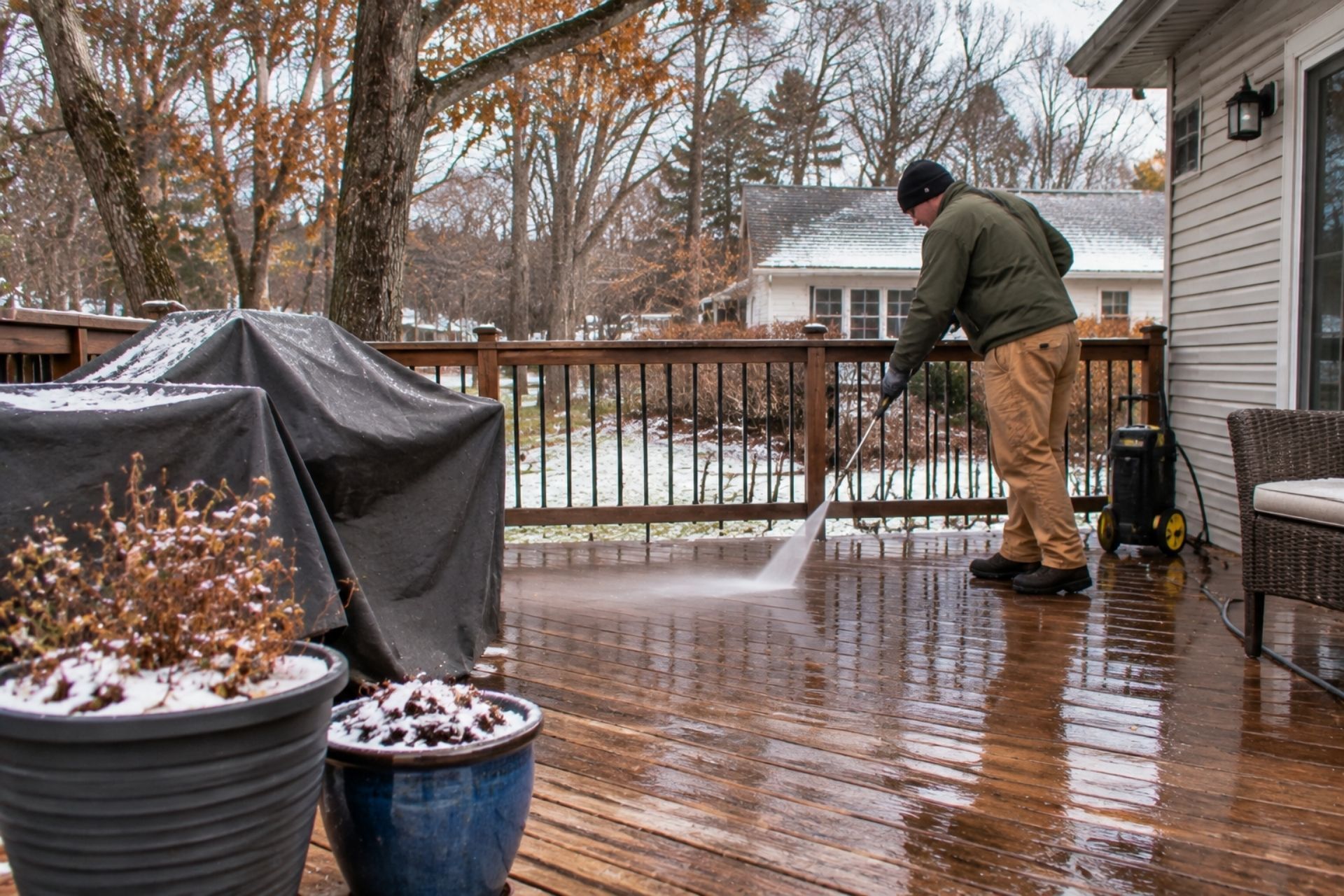
How to Winterize Your Deck in Minnesota: Cleaning, Sealing Windows of Opportunity, Furniture and Pla
4 November 2026
Learn how to winterize your Minnesota deck with expert tips on cleaning, sealing, snow protection, and preventing furniture, planter, and moisture damage.
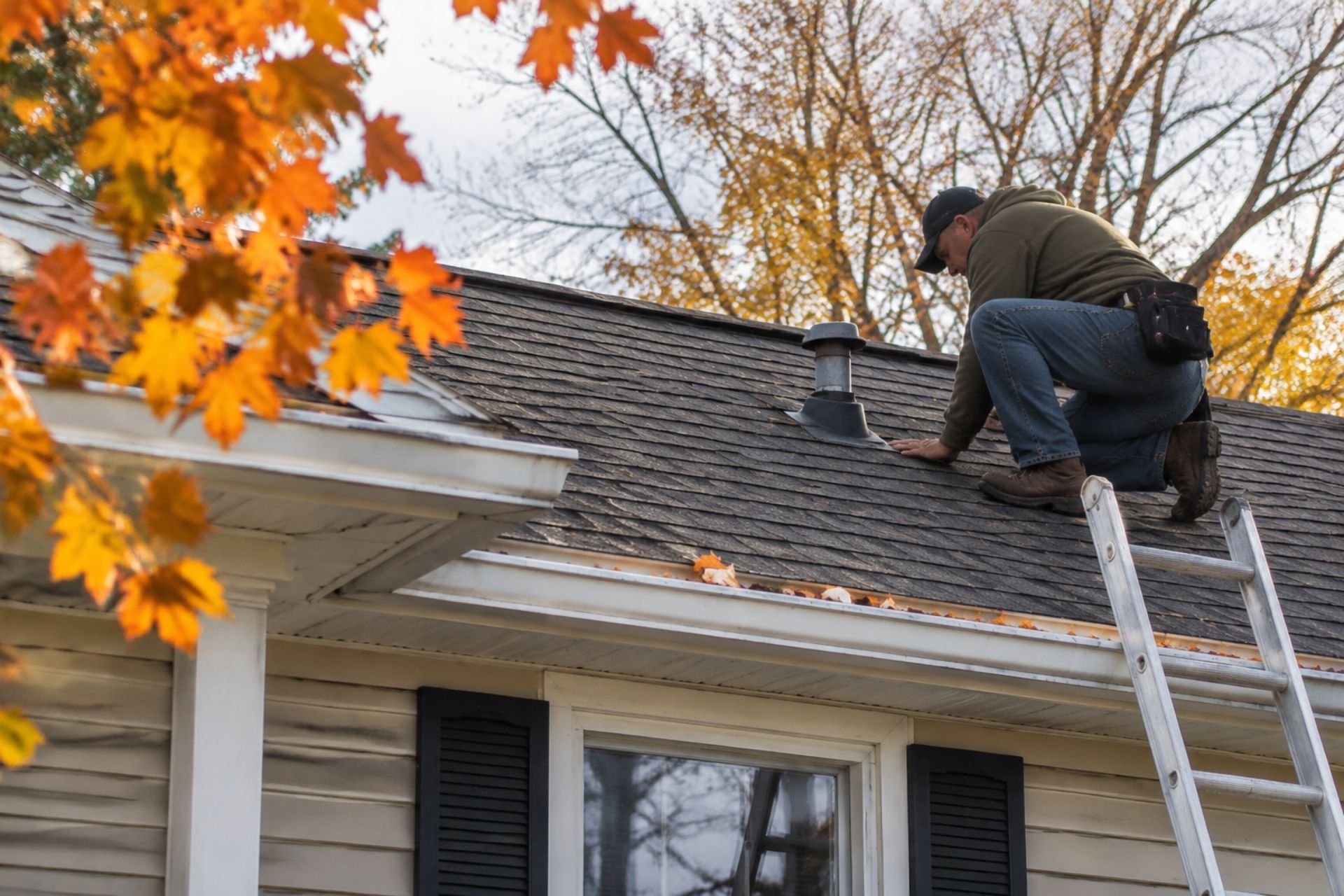
Fall Roof Inspection Checklist for Minnesota Homes: What to Look at After Storm Season, from Shingle
4 November 2026
Prepare your Minnesota home for winter with this fall roof inspection checklist covering shingles, flashing, gutters, ice barriers, and storm damage.
What Is a Tenant Improvement Allowance in Minnesota
4 November 2026
Learn how tenant improvement allowances work in Minnesota, including TI rates, lease structures, build-out costs, permits, budgeting, and tenant control.
Do Class 4 Shingles Lower Home Insurance Premiums in Minnesota
4 November 2026
Learn how Class 4 shingles can lower Minnesota home insurance premiums, reduce hail claims, and deliver long-term savings and roof protection.
Show More