



How to Winterize Your Deck in Minnesota: Cleaning, Sealing Windows of Opportunity, Furniture and Planter Damage, and What Snow Actually Does to Decking

Five-star NorBrook Construction client reviews

Share this article

To winterize a deck in Minnesota, you clean it, seal it before daytime temperatures fall below 50°F (usually by mid-to-late October), and get furniture and planters off the boards before the first hard freeze. The whole job takes one dry weekend if you plan around the weather, and it can add years to your decking. At NorBrook Construction, our crews treat fall deck prep as a structural checkup, not just a cosmetic chore. We look at the surface, the fasteners, the ledger, and the posts, because Minnesota winters punish weak points. This 2026-2027 season is expected to bring a Super El Niño pattern with warmer temperatures and more rain falling on existing snow. That combination puts more weight and more moisture on your deck than a classic dry, frigid winter.

Winterizing Your Minnesota Deck: The Three-Step Essential Process

Our project managers walk clients through the same three steps every fall: clean, seal, and clear. Each one protects against a different kind of winter damage. Skip cleaning and you seal dirt and mildew into the wood. Skip sealing and water soaks into the boards, freezes, and splits them. Leave furniture and planters in place and you trap moisture in spots that rot first.


Cleaning and Sealing Before the First Freeze


Start by sweeping off leaves and pine needles, then scrub with a deck cleaner made for your material. Wood, composite, and PVC each call for different cleaners, and the wrong one can void a composite warranty. Rinse thoroughly and let the deck dry.


Drying is where most DIY jobs go wrong. Wood needs to get below roughly 15 to 19 percent moisture content before stain or sealer will bond, which usually means 24 to 48 hours of dry weather after rain. Stain also needs temperatures above 50°F to cure properly, and in Minnesota that window typically closes by mid-to-late October. Here's what that means for you: if September is rainy, your realistic sealing window might only be two or three weekends long.


While the deck dries, our crews run a quick inspection you can copy:


  1. Press a screwdriver into the ledger board and post bases. If the wood feels spongy, you have rot that needs repair before snow loads arrive.
  2. Check screw heads for black or blue-black halos. That stain signals hidden fastener corrosion, often from rock salt used the previous winter.
  3. Look for loose railings and popped nails. These get worse, not better, through freeze-thaw cycles.


Preventing Damage from Furniture and Planters


Planters left sitting directly on decking all winter trap moisture underneath. The result is permanent "ghosting," a pale or dark ring that sanding won't fully erase, and in bad cases, localized rot. Furniture feet do the same thing on a smaller scale.


We tell clients to move planters into a garage or onto a patio, store cushions indoors, and stack furniture somewhere dry. If something heavy has to stay outside, raise it on plastic risers so air can move underneath.

The Truth About Snow Load and Ice Expansion on Decking

Snow itself isn't the enemy most people think it is. Minnesota Rule 1303.1700 requires decks to handle ground snow loads of 60 pounds per square foot in northern and central Minnesota and 50 psf in southern Minnesota. A properly built, well-maintained deck is designed for that.


The catch is weight adds up fast with wet snow. One foot of heavy, wet snow can weigh up to 20 psf, so two feet puts about 40 psf on your boards. On a 12-by-20 deck, that's nearly 9,600 pounds, close to five tons (https://theroofingbrief.com/winter-roof-collapse-snow-load-losses-report-2026/). A rain-on-snow event, which forecasters expect more of this winter, can push that load higher in a single afternoon.


Moisture does more harm than cold alone. Water seeps into small gaps, freezes overnight, and expands, and repeated freeze-thaw cycles slowly push joints and seams apart. That's why sealing matters so much: it limits how much water gets into the wood in the first place.


Our advice on snow removal is simple. Shovel along the board direction with a plastic shovel once accumulation passes about a foot, leave a thin layer rather than scraping to bare wood, and skip rock salt entirely. Use calcium magnesium acetate or sand for traction instead. With an estimated 30 million U.S. decks past their useful life, an inspection before winter isn't overkill.

Why Homeowners Choose NorBrook for Minnesota Exterior Care

We're a licensed Minnesota residential building contractor, license BC80875, and you can verify that through the Department of Labor and Industry lookup. We're also EPA lead-safe certified (LFC-281), which matters if your home was built before 1978 and your deck attaches to original siding or trim. Our leadership is OSHA 30 trained, including co-founder Seth Norling.


NorBrook was founded by brothers Robb and Seth Norling with Charlie Brookins, and we work out of Maple Plain, serving the Twin Cities west metro. Every job runs through a dedicated project manager who keeps you updated from start to punch list. When we find a soft ledger in October, you hear about it the same day, with photos and options, not a surprise invoice. Call us at 763-237-5114.


Comparison of Deck Protection Options and NorBrook Recommendations

Option Protection Level Upkeep Trade-off What NorBrook Recommends
Clear water sealer Moisture only Reapply every 1-2 years No UV protection, wood grays Fine for newer pressure-treated decks on a budget
Semi-transparent stain Moisture plus moderate UV Every 2-3 years Needs that 50°F, dry-wood window Our usual pick for cedar and treated pine
Solid stain Strongest UV, hides wear Every 3-5 years Can peel; hard to switch back Good for older decks with uneven boards
Composite replacement No sealing needed Wash yearly Higher upfront cost Best when the frame is sound but boards are failing
Full rebuild New structure to current code Minimal Largest investment Our call when the screwdriver test fails at the ledger

Common Minnesota Deck Winterization Questions

Can I seal my deck in November if we get a warm week? Usually not. Even if afternoons hit 50°F, overnight lows stop the stain from curing, so we'd rather wait until spring than waste product.


Should I cover my deck with a tarp for winter? We don't recommend it. Tarps trap moisture against the boards and create the same ghosting and rot problems planters cause.


Is composite decking safe from winter damage? It won't absorb water like wood, but salt and metal shovels still scratch and stain it, and the framing underneath is usually still wood.


How do I know if my deck can handle a big snowstorm? If it's built to code and passes a screwdriver test at the ledger and posts, it's designed for Minnesota loads. If you're unsure, our crews can inspect it.


What ice melt is safe for decks? Calcium magnesium acetate is the gentlest option. Avoid rock salt, which corrodes fasteners from the inside out.

Your Next Step with NorBrook

Every deck we see has its own story: an aging ledger, a stain that's failing early, or a homeowner who wants composite before next summer. If your Minnesota deck needs winterization, repairs, or a full rebuild, we'd like to look at it with you and talk through what makes sense for your home and budget.


Request a Free Estimate for your deck project, and a dedicated NorBrook project manager will handle it from first walkthrough to final punch list, keeping you posted the whole way. Prefer to talk? Call us at 763-237-5114. The sealing window is short, so the sooner we get on your calendar, the more options you'll have.

Recent Posts

Hail Damage Roof Claims in Minnesota: How the Insurance Process Works, What Adjusters Look For, and
4 November 2026
Learn how Minnesota hail damage roof claims work, what insurance adjusters inspect, and how the state matching rule may support full roof replacement.
How to Check a Minnesota Contractor License: The DLI Lookup, BC License Numbers, the Recovery Fund,
4 November 2026
Learn how to verify a Minnesota contractor license using the DLI lookup, check BC numbers, understand Recovery Fund protection, and spot red flags.

How Much Does It Cost to Build a Custom Home in Minnesota: A Line-Item Look at Land, Site Work, Cons
4 November 2026
Explore the cost of building a custom home in Minnesota, including land, site preparation, construction expenses, permits, and material allowances.
What Attic Ventilation Actually Does in Minnesota: Intake, Exhaust, and Balance, Plus the Winter Sym
4 November 2026
Learn how attic ventilation works in Minnesota, from soffit intake to ridge exhaust, and spot winter warning signs like frost, moisture, and ice dams.
Can You Replace Windows in a Minnesota Winter: How Cold-Weather Installation Works, Room-by-Room Seq
4 November 2026
Discover how winter window replacement works in Minnesota, including cold-weather installation, room-by-room scheduling, costs, and energy savings.
Why Minnesota Gutters Overflow in Late Fall: Leaf Load, Undersized Downspouts, Pitch Problems, and t
4 November 2026
Discover why Minnesota gutters overflow in late fall and how proper cleaning, downspout sizing, gutter repairs, and drainage prevent foundation damage.
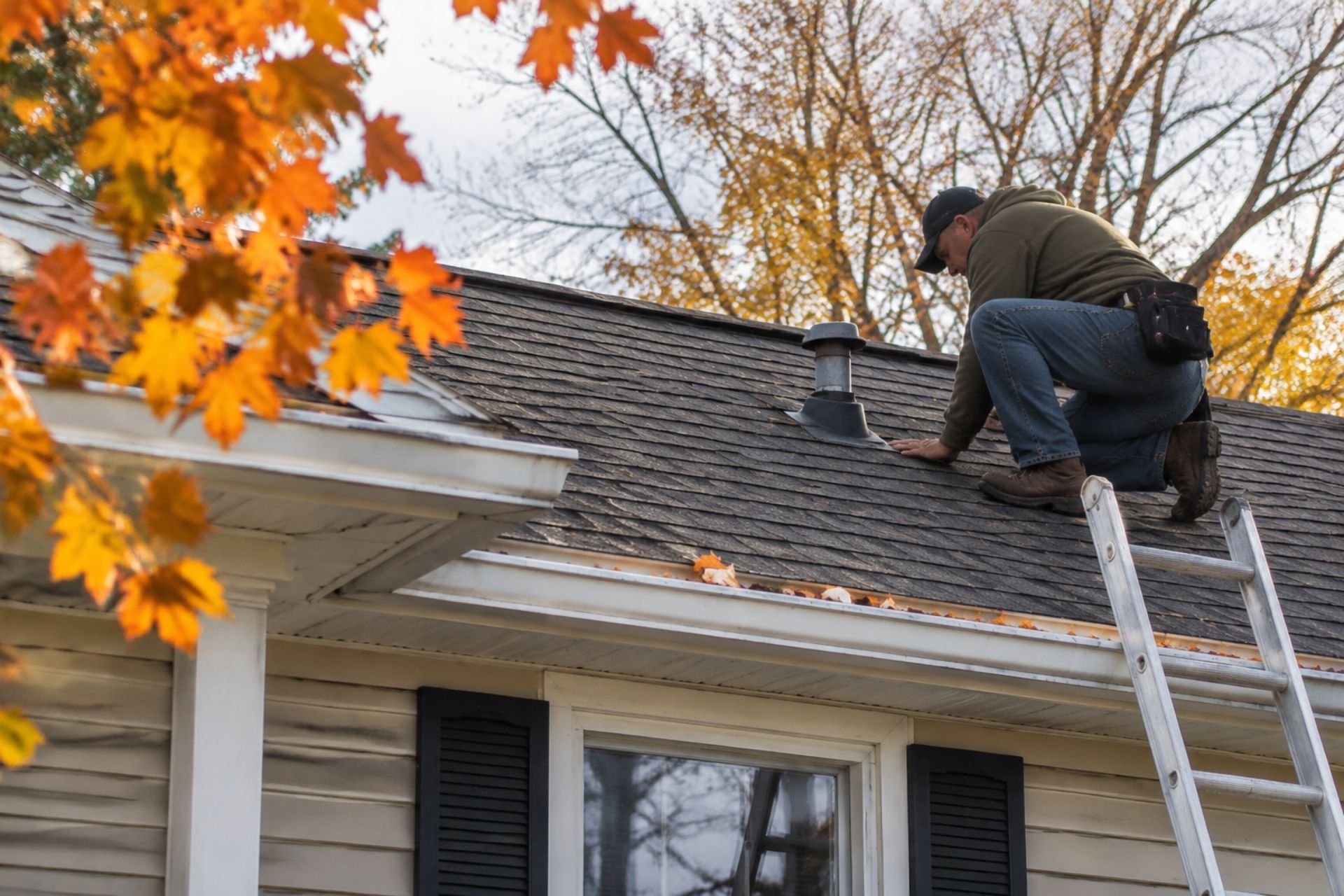
Fall Roof Inspection Checklist for Minnesota Homes: What to Look at After Storm Season, from Shingle
4 November 2026
Prepare your Minnesota home for winter with this fall roof inspection checklist covering shingles, flashing, gutters, ice barriers, and storm damage.
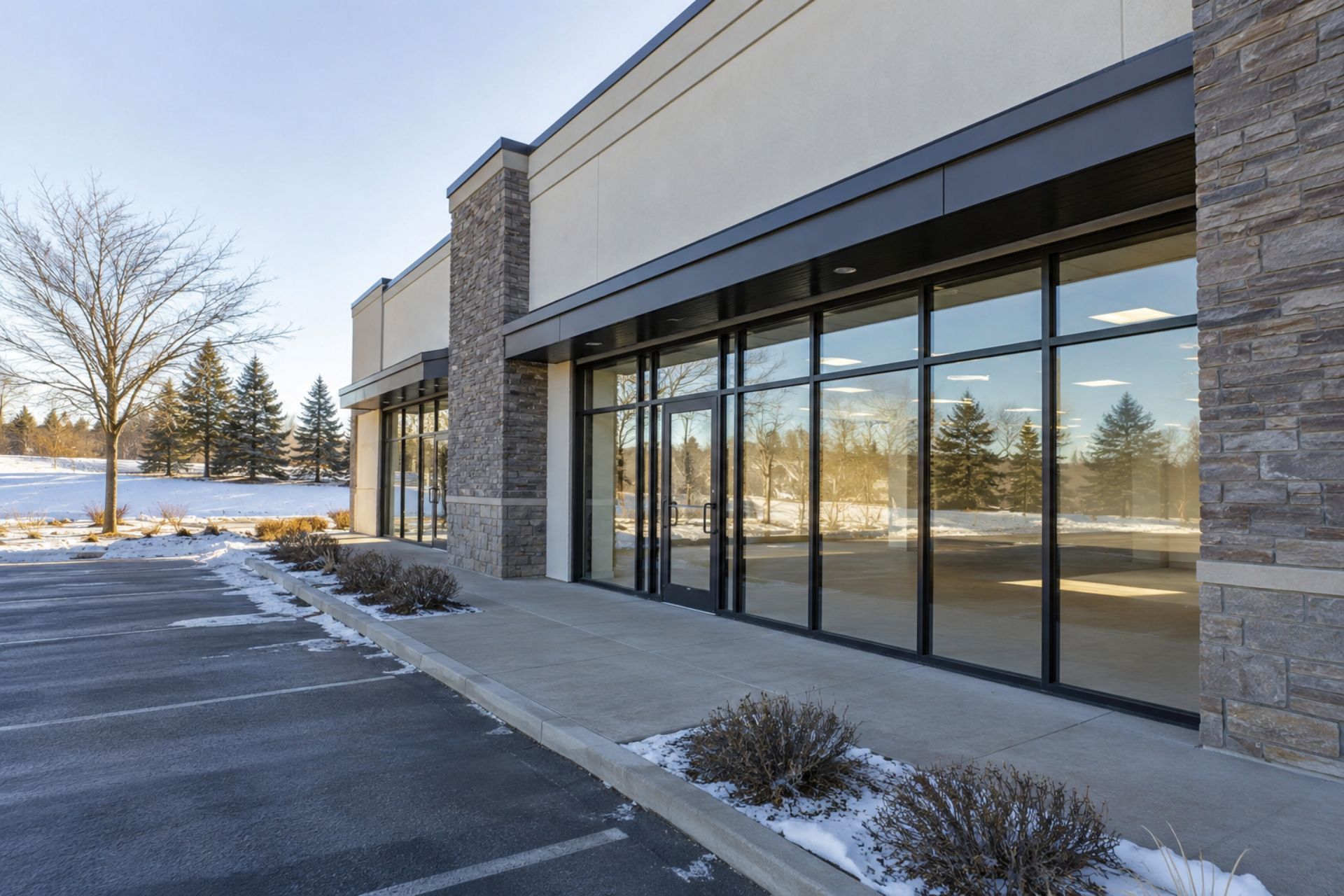
What Is a Tenant Improvement Allowance in Minnesota
4 November 2026
Learn how tenant improvement allowances work in Minnesota, including TI rates, lease structures, build-out costs, permits, budgeting, and tenant control.
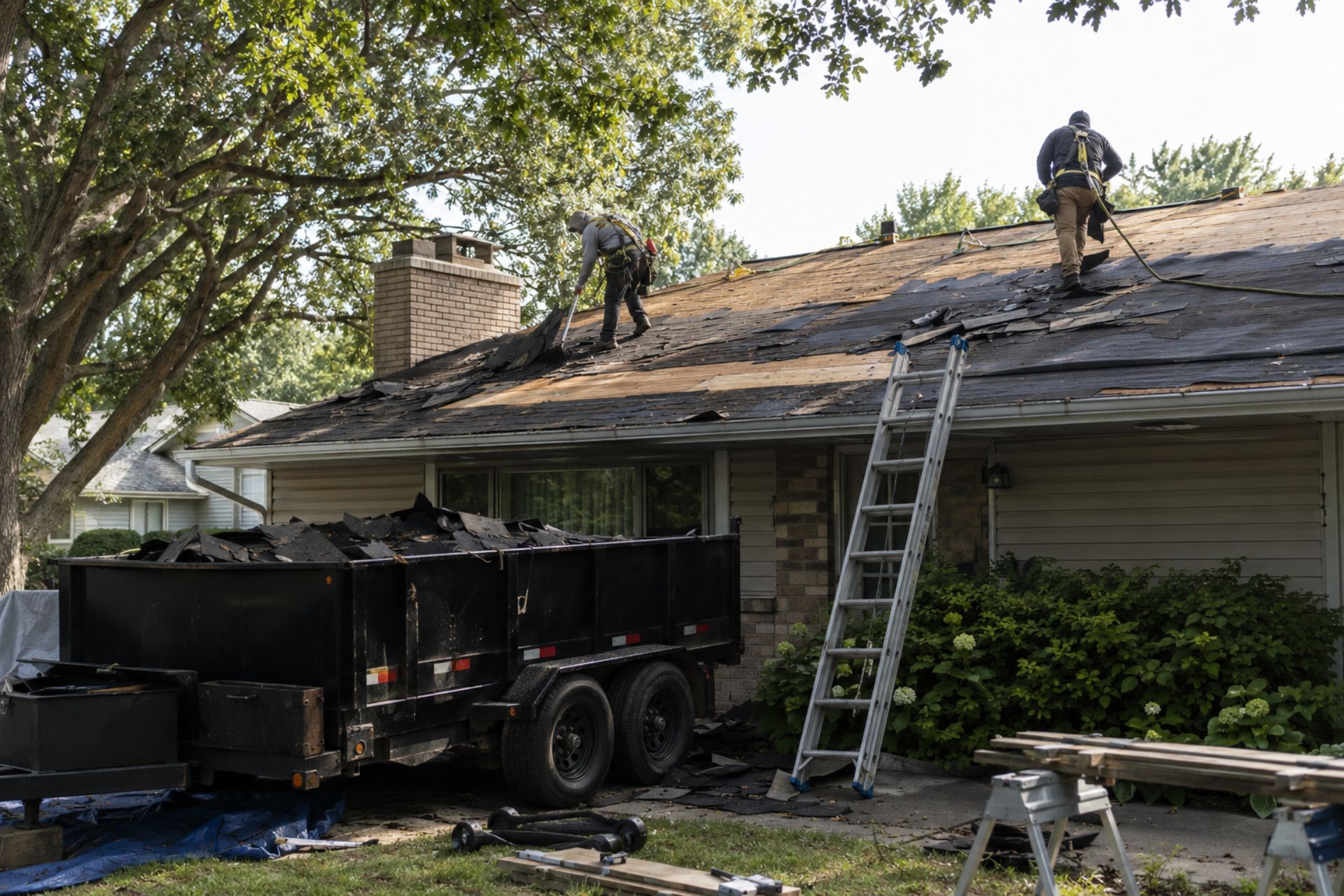
How Long Does a Roof Last in Minnesota
4 November 2026
Learn how long roofs last in Minnesota, including lifespans by material, weather impacts, warning signs, maintenance, and replacement timing.

Do Class 4 Shingles Lower Home Insurance Premiums in Minnesota
4 November 2026
Learn how Class 4 shingles can lower Minnesota home insurance premiums, reduce hail claims, and deliver long-term savings and roof protection.
Show More