

What Attic Ventilation Actually Does in Minnesota: Intake, Exhaust, and Balance, Plus the Winter Symptoms That Say Your Roofline Is Choking

Attic ventilation in Minnesota does one main job: it moves cold outside air in at the eaves and pushes warm, moist air out near the ridge. That keeps the roof deck cold, dry, and free of ice dams. Minnesota code calls for 1 square foot of net free vent area for every 150 square feet of attic floor. That can drop to 1:300 when the system is balanced and backed by a proper vapor retarder. At NorBrook Construction, we start every attic ventilation job by measuring what your roofline actually breathes. We don't guess, and we don't simply add another vent. Then we fix the intake and exhaust together so the whole system works through a Minnesota winter.
The Direct Impact of Intake, Exhaust, and Balanced Airflow in Minnesota
Minnesota Residential Code R806.1 requires every enclosed attic to have cross-ventilation that is protected against rain and snow. In practice, that means air has a path in and a path out. Intake vents sit low in the soffits, where cold, dense air enters. Exhaust vents sit high at the ridge or near it, where warm air naturally rises and leaves. When both ends work, the attic stays close to outdoor temperature, and that is exactly what you want in January.
The airflow path matters as much as the vent count. Code R806.3 requires at least 1 inch of clear space between insulation and roof sheathing at vent locations. On the jobs we inspect, blown-in insulation buried against the soffit baffles is one of the most common failures. The soffit vents look fine from the yard, but no air is getting past the insulation. Our crews install or replace baffles at each rafter bay before we touch the exhaust side.
Why Intake and Exhaust Must Remain in Equilibrium
A balanced system splits net free area roughly evenly between low and high vents. To qualify for the reduced 1:300 ratio, Minnesota code requires 40% to 50% of the venting within 3 feet of the ridge. The rest has to sit low.
The catch is that too much exhaust with too little intake can backfire. A powerful ridge vent or power fan starved of soffit air will pull conditioned air from your living space through ceiling penetrations. That drags warm, humid air into the attic, which is the opposite of the goal. Here's what that means for you: adding exhaust without checking intake can make a choking roofline worse.
Winter Symptoms: Identifying a Choking Roofline
A starved attic usually shows its problems between December and March. Here's what our project managers ask homeowners to check:
- Icicles along the eaves within days of snowfall: heat is escaping and melting snow on an upper roof that should be cold.
- Uneven snow melt: bare patches near the ridge while the eaves stay loaded.
- Frost on nail tips or sheathing: visible with a flashlight from the attic hatch on a cold morning.
- Water stains on upper-floor ceilings or walls: often after a thaw, as attic frost melts.
- Musty smells or dark staining on rafters: moisture is sitting long enough to feed mold.
- Rooms that feel stuffy, with hot attic temperatures in summer: the same blocked airflow causes both.
Ice Dams and Frost: The Cost of Trapped Humidity
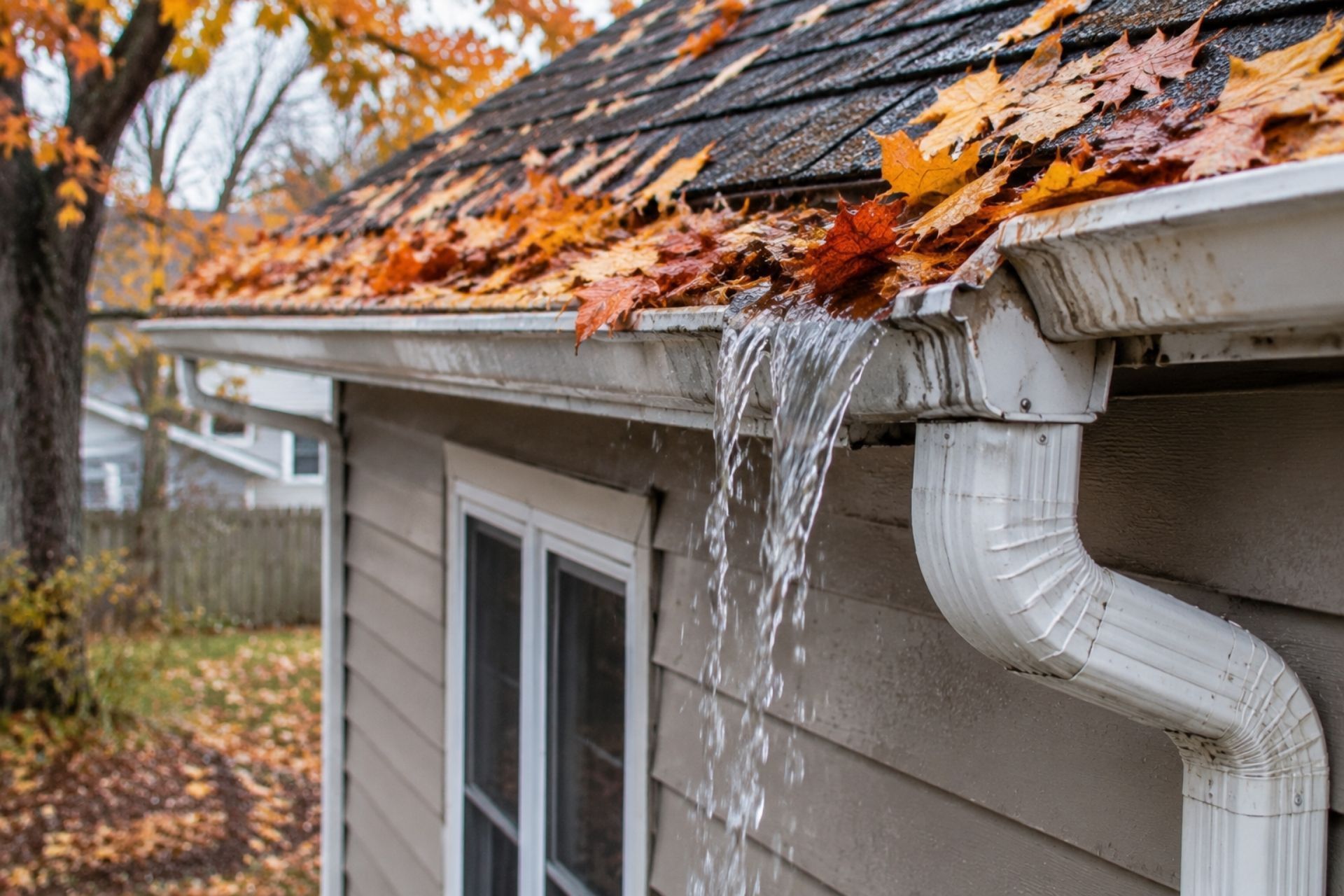
Ice dams form when a warm roof deck melts snow that refreezes at the cold overhang. The water behind the dam then backs up under shingles. Professional low-pressure steam removal in the Twin Cities typically runs $400 to $1,200 per visit, and some homes need it several times a season. Frost is quieter but just as damaging. Every degree of trapped warmth and every cup of household moisture condenses on the coldest surface, which is your roof sheathing. Over a few winters, that means delaminated plywood, rusted fasteners, and wet insulation that loses its value.
Comparing Ventilation Systems and NorBrook Recommendations
Most homeowners are choosing between a handful of setups. Here's how we compare them for Minnesota homes:
| System | How It Works | Trade-offs | NorBrook Recommends |
|---|---|---|---|
| Continuous soffit + ridge vent | Passive airflow along the full eave and ridge | Needs a ridge long enough to meet the 40-50% high-vent share | Our first choice for most gable roofs because it balances naturally |
| Soffit + box (static) vents | Individual roof vents near the ridge | Easy to under-size, and spacing creates dead spots | Fine for hip roofs with a short ridge, sized to match intake |
| Power attic fan | Motorized exhaust | Can depressurize the attic and pull house air upward | Rarely, and only after air sealing and confirming intake |
| Gable end vents | Cross-flow through end walls | Weak airflow on long or complex rooflines | Supplemental only, never mixed with ridge vents |
| Unvented (closed-cell foam at deck) | Insulates the roofline itself, with no attic airflow | Requires a specific code-compliant assembly | For vaulted ceilings or bonus rooms where venting is not practical |
We pair any of these with attic air sealing. Ventilation removes moisture, but sealing the bypasses stops it from getting into the attic in the first place.
Why Homeowners Choose NorBrook for Attic Performance
NorBrook Construction was founded by brothers Robb and Seth Norling with Charlie Brookins, and our office sits at 5159 Main Street East in Maple Plain. We hold Minnesota residential building contractor license BC80875. We are EPA lead-safe certified (LFC-281), which matters if your home was built before 1978. Seth holds OSHA 30 certification, and that standard of jobsite safety carries through to every crew working on your roof.
Every ventilation project gets a dedicated project manager who sends daily or weekly updates from first measurement to final walkthrough. Because we also handle roofing and exterior remodeling, one team owns soffits, ridge, insulation, and shingles. You aren't stuck coordinating three trades who blame each other. Call us at 763-237-5114 with questions anytime.
Expertise and FAQ for Minnesota Homeowners
Can I just add more roof vents myself? Usually not without checking intake first. More exhaust on a starved attic often pulls warm house air upward and makes ice dams worse.
Will new ventilation stop ice dams completely? Ventilation plus air sealing and correct insulation solves most cases we see. Ventilation alone rarely does the job if heat is leaking through ceiling penetrations.
Does the new Minnesota building code change attic venting rules? The Department of Labor and Industry expects the 2026 Minnesota State Building Code to take effect in the third quarter of 2026. We design to whichever code applies when your permit is pulled.
Are there rebates for attic insulation and ventilation work? As of October 12, 2026, the federally funded Save Energy Minnesota (HEAR and HOMES) rebates had not launched and were awaiting DOE approval. We'll tell you if that status changes before your project starts.
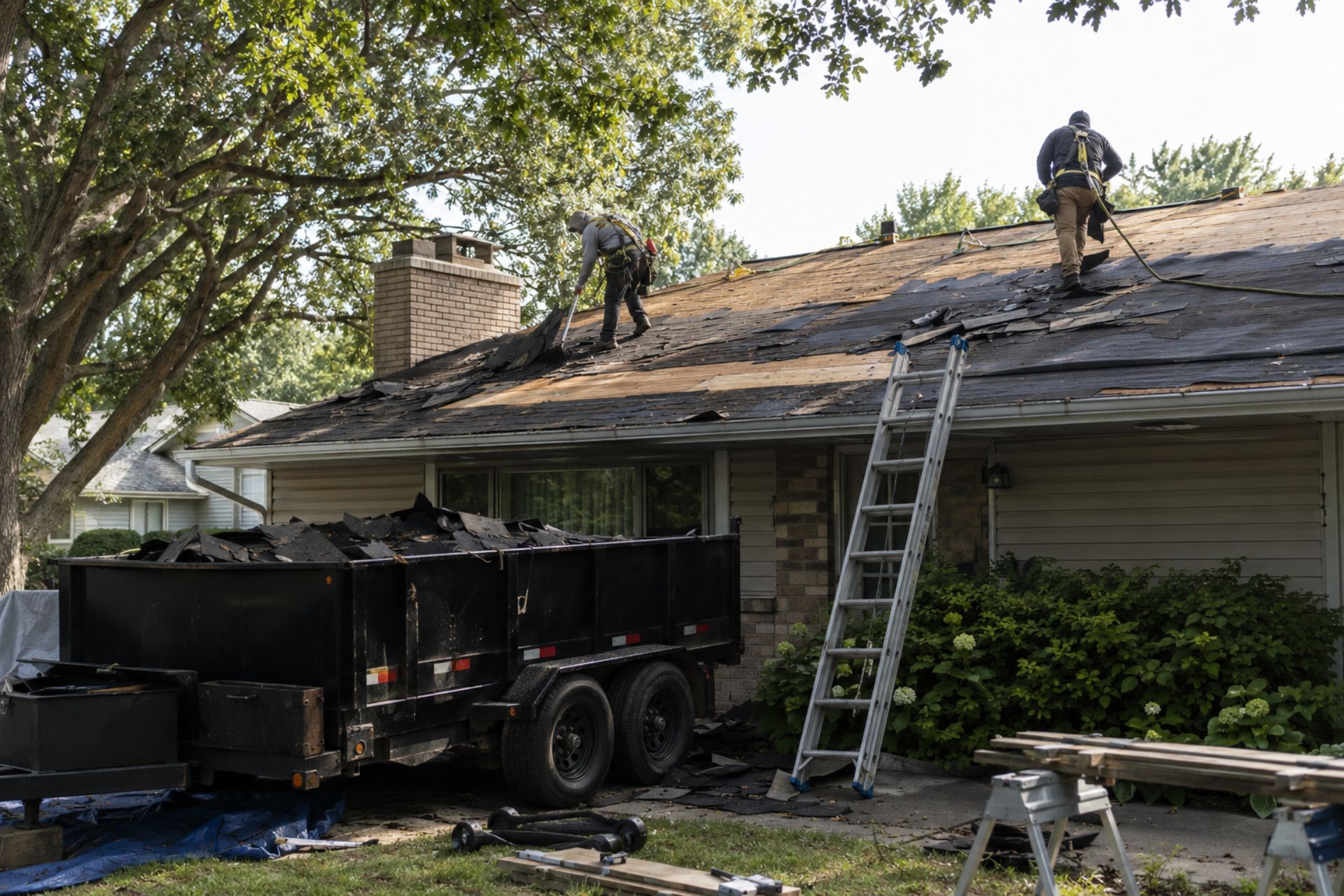
Should I fix ventilation before replacing my roof? Do them together. A reroof is the cheapest time to cut in a ridge vent and correct soffit intake.
Your Next Step with NorBrook
Every attic is a little different. One may have buried baffles, another an undersized ridge, and another a bath fan dumping steam straight into the insulation. Once we know which problem your roofline has, the fix is usually straightforward. What we tell clients is simple: measure first, balance second, and seal everything in between.
If you're seeing icicles, frost, or ceiling stains this winter, let our team inspect your attic ventilation and give you a clear plan for your Minnesota home. A dedicated project manager will walk you through the findings, the options, and the timeline. Request a Free Estimate online, or call NorBrook Construction at 763-237-5114 to talk through your project today.