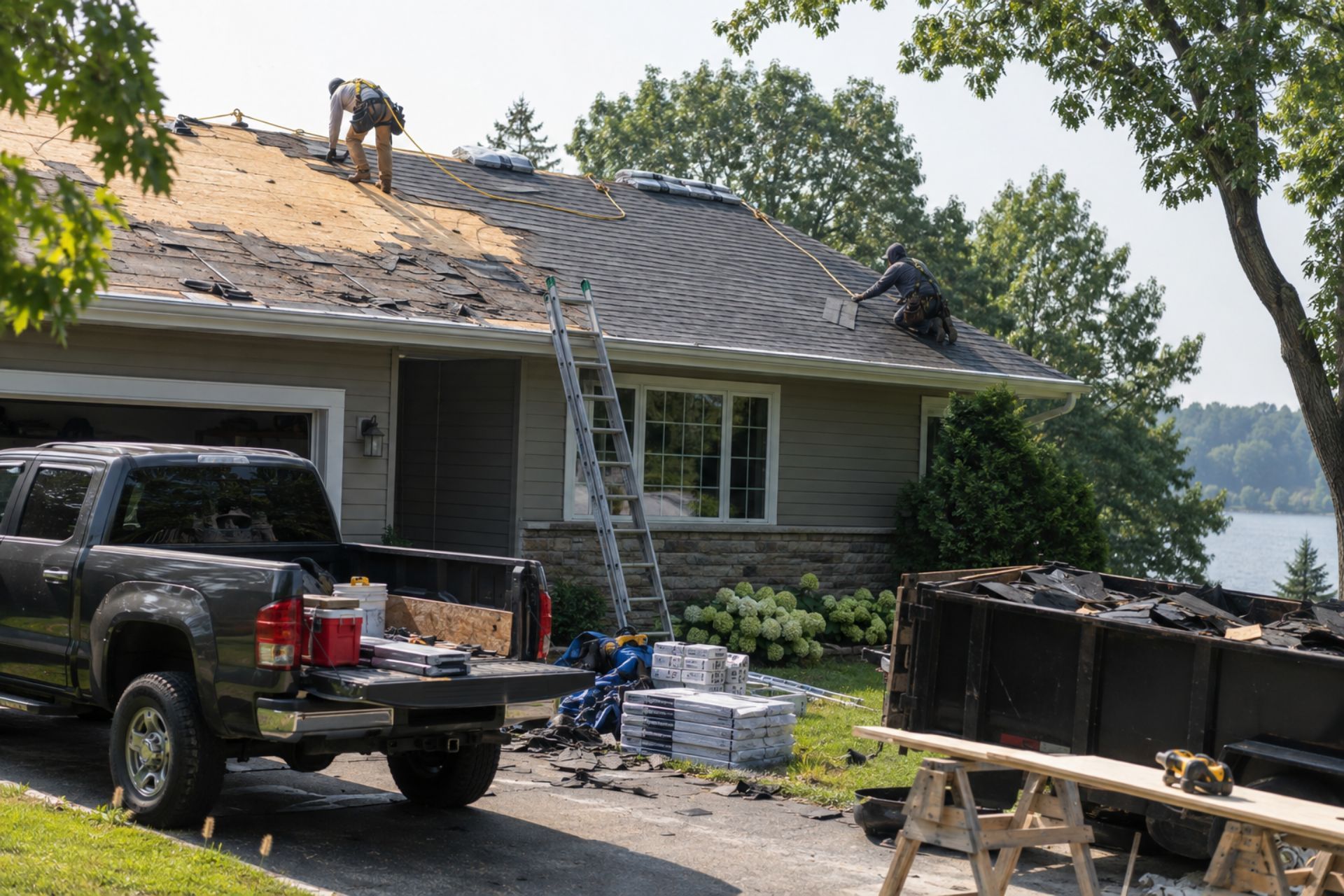

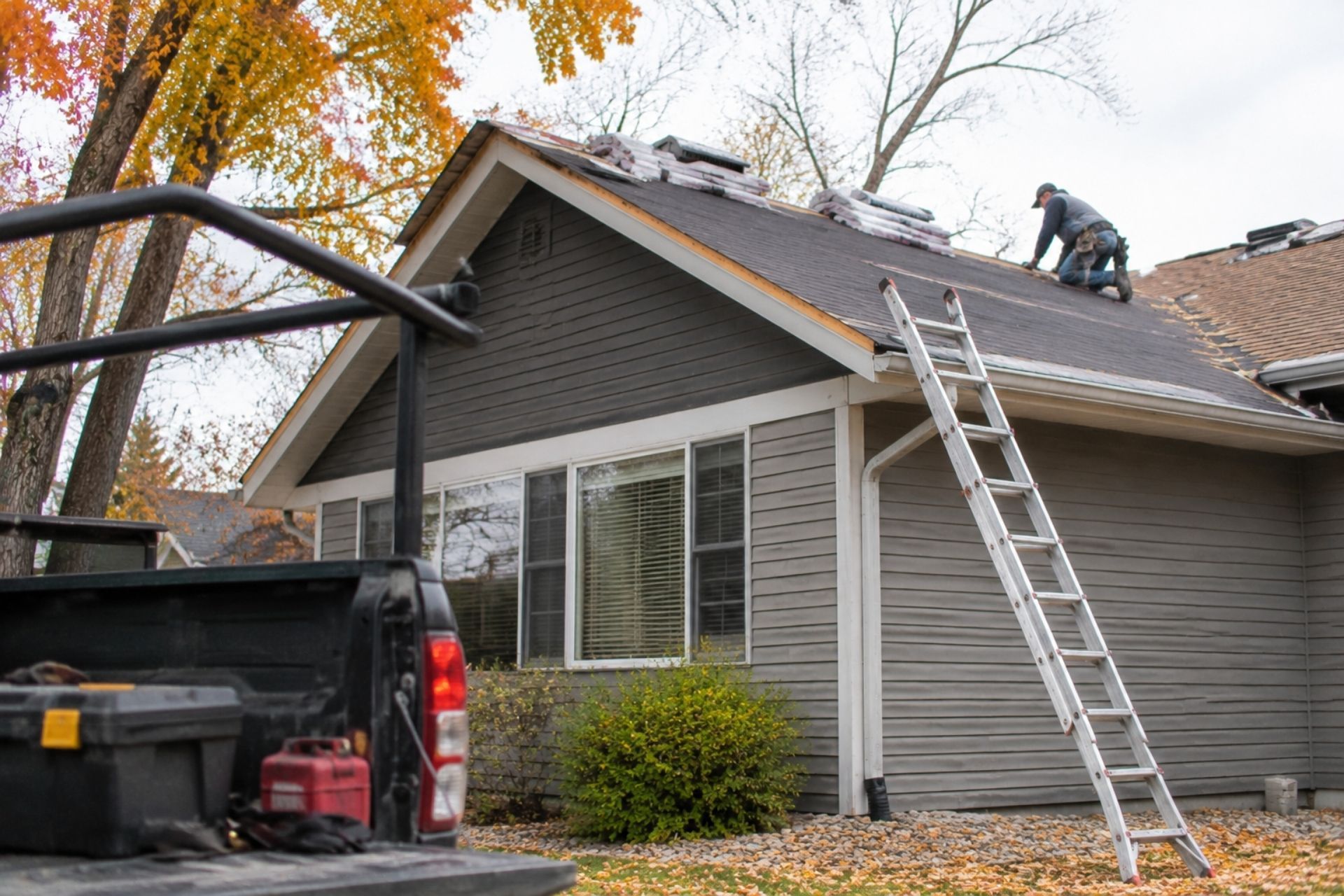
Hail Damage Roof Claims in Minnesota: How the Insurance Process Works, What Adjusters Look For, and Where the State Matching Rule Fits In

Minnesota hail claims run on a legal clock: under Minnesota Statute 72A.201, your insurer must acknowledge a new claim within 10 business days and accept or deny it within 30 business days. The same statute requires a "reasonable color match" for replaced roofing, which often decides whether you get a patch job or a full new roof. At NorBrook Construction, we treat every storm claim as a construction project that starts with documentation. Our crews inspect the roof, record the evidence adjusters look for, and give homeowners a clear scope before anyone signs anything.
That matters more now than it did a few years ago. Minnesota homeowners saw a 34% average premium increase in 2025, the highest in the country, and rates climbed another 12.9% in the first half of 2026. When you are paying that much for coverage, you should know exactly what your policy owes you after a hailstorm. Here is how we help Twin Cities west metro homeowners work through the process.
Navigating the Minnesota Hail Damage Claim Process
Most hail claims in Minnesota follow the same sequence. Where homeowners lose money is in the order of operations, usually by calling the insurer before they understand what is actually damaged. Here is the sequence our project managers walk clients through:
- Get an independent inspection first. Our crews document hits, bruised mats, and collateral damage with dated photos and measurements before you file.
- File the claim and note the date. The 10-business-day acknowledgment window starts here, so keep a written record.
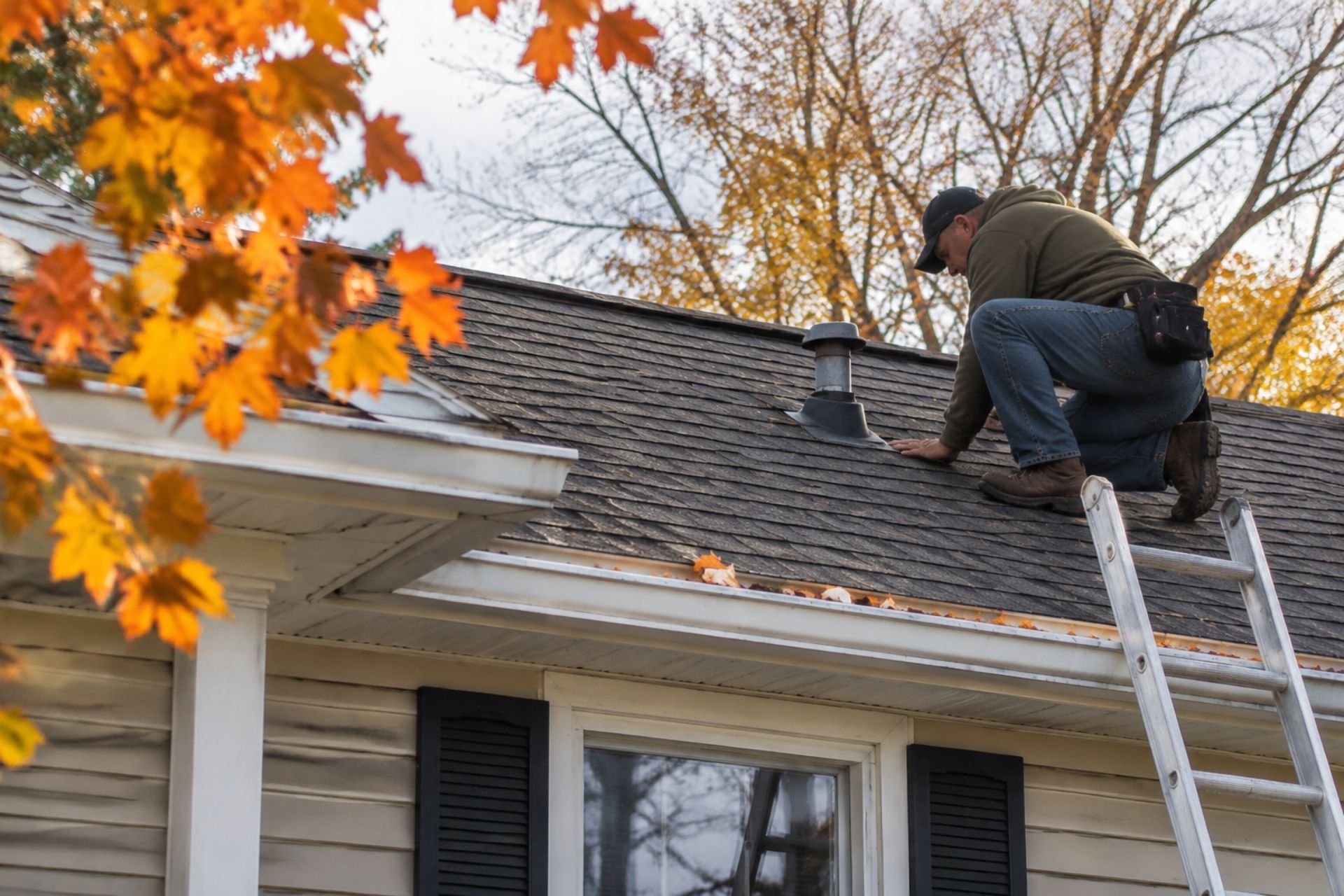
- Meet the adjuster on the roof. We attend inspections so the adjuster sees the same evidence we found.
- Review the estimate line by line. Check the slopes, drip edge, vents, and flashing included in the scope, and compare it to ours.
- Get the decision within 30 business days. If the insurer denies the claim, it must give you a written explanation that cites specific policy language.
Check your deductible before you file. Many Minnesota carriers have switched to 1% or 2% deductibles specifically for wind and hail. On a home insured for $400,000, a 2% deductible means you pay the first $8,000 yourself. That changes whether a marginal claim is worth filing, and we tell clients plainly when it isn't.
What Insurance Adjusters Look for During Roof Inspections
Adjusters work fast and often handle dozens of roofs a day after a big storm. They look for a pattern of damage that is consistent, storm-related, and severe enough to affect how the roof performs. If your damage is scattered, undocumented, or mixed up with old wear, expect pushback.
Identifying Functional vs. Aesthetic Damage
This distinction drives most hail denials in Minnesota. Functional damage means the roof can no longer shed water or will fail early. Examples include fractured shingle mats, granule loss that exposes asphalt, and cracked or punctured metal. Aesthetic damage, like small dents on metal panels that don't break the coating, may be excluded entirely depending on your policy wording.
On asphalt, adjusters usually press on a suspected hit. A soft, bruised spot that gives like an apple bruise points to a broken mat. Our crews chalk-circle each hit inside a 10-by-10-foot test square on every slope, because insurers commonly count hits per square to decide whether a slope qualifies. When we know the count before the adjuster arrives, there's no guessing.
The Importance of Collateral Damage Evidence
Hail leaves fingerprints all over a property, not just on shingles. Dented gutters, downspouts, and roof vents, chipped window wraps, and spatter marks on decks or fences all confirm that a storm hit hard enough to damage the roof. Adjusters use this evidence to back up what they see on top.
Collateral damage also helps date the storm. A soft metal vent with fresh dents and oxidation-free edges tells a clearer story than a shingle alone. We photograph every one of these with a reference object for scale, then tie it to the slope it faces, because hail damage is directional and the evidence should be too.
Leveraging the Minnesota Matching Rule for Full Replacement
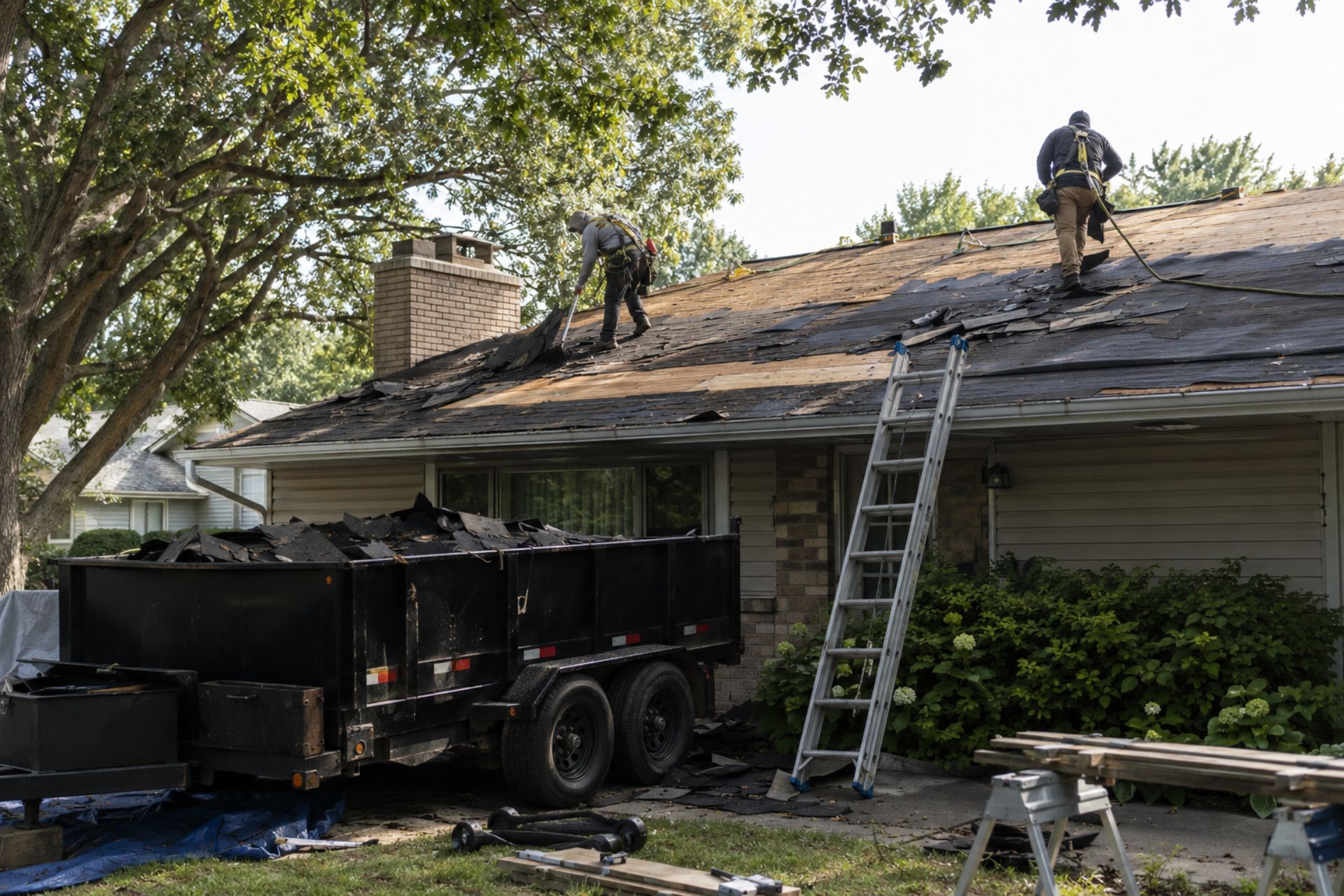
Minnesota's matching rule is why many hail claims end with a full roof instead of a few replaced squares. State law requires a reasonable color match for replaced items. If no match is available, the insurer may have to replace the entire contiguous slope or roof so it looks uniform. Shingle lines get discontinued, colors fade, and a ten-year-old roof rarely matches anything currently sold.
The catch is that insurers don't always apply the rule unprompted. Homeowner complaints to the Minnesota Department of Commerce have doubled since 2020 to more than 1,185 a year, mostly over hail denials and matching disputes. Here's what that means for you: matching needs evidence, not just an opinion. Our project managers identify your current shingle, confirm whether it's still manufactured, and document color differences on site so the request stands on facts.
If you and your insurer still can't agree on the value of the loss, Minnesota offers a statutory appraisal process. Each side hires an appraiser, and a neutral umpire settles disagreements. The result is binding and stays out of court. We provide the scope and documentation that appraisers rely on, so your side of the table has the construction detail it needs.
Why Homeowners Choose NorBrook for Storm Restoration
Storm work attracts out-of-state crews who knock on doors for a few weeks and disappear before the warranty matters. NorBrook Construction was founded by brothers Robb and Seth Norling with Charlie Brookins, and we work out of 5159 Main Street East in Maple Plain. We'll be here when your roof turns ten. Here's what you get when you hire us:
- Licensed in Minnesota: Residential building contractor license BC80875, verifiable through the Department of Labor and Industry.
- Lead-safe certified: EPA certification LFC-281, required for work on homes built before 1978, which covers a lot of west metro housing.
- OSHA 30 trained leadership: Seth Norling holds OSHA 30 certification, and safety on steep pitches is not optional for us.
- One project manager, start to finish: Your manager handles the adjuster meeting, supplements, scheduling, and daily or weekly updates.
Comparing Material Options and Insurance Payouts
Your insurance payout covers like-kind replacement. Upgrading is your call, and you pay the difference out of pocket. Some insurers offer premium credits for impact-resistant roofing, so ask your agent before you choose.
| Option | Hail Performance | Insurance Angle | What NorBrook Recommends |
|---|---|---|---|
| Standard architectural asphalt | Moderate; mats bruise from large hail | Typical like-kind payout | Fine if you plan to sell within a few years |
| Class 4 impact-rated asphalt | Rated to resist 2-inch steel ball impact (UL 2218) | Small upgrade cost; ask about premium credits | Our default pick for most Minnesota homes |
| Standing seam metal | Resists punctures; may dent cosmetically | Check for cosmetic damage exclusions | Great for longevity if you accept dents |
| Synthetic slate or shake | Many products carry Class 4 ratings | Larger upgrade gap over asphalt | Best for custom homes where the look matters |
NorBrook FAQ: Expert Answers to Common Claim Questions
Will filing a hail claim raise my premium? Hail is generally treated as a weather event rather than a fault-based claim, but every carrier rates differently. Ask your agent before filing, and we'll give you our damage assessment so you can make an informed choice.
How long do I have to file after a storm? Your policy sets the deadline, and some are shorter than people expect. We recommend an inspection within a few weeks of any significant storm while the evidence is fresh.
Can I keep my deductible or have you cover it? No. Waiving or absorbing a deductible is insurance fraud, and we won't do it. We'll help you plan the project around it instead.
What if the adjuster only approves a partial repair? We document matching problems and missed damage, then submit a supplement with photos and product information. If that fails, appraisal is your next step.
Do you work with my insurance company directly? Yes. Your project manager talks to the adjuster, but you stay in control of every decision on your claim.
Your Next Step with NorBrook
Every hail claim turns on details: the hit count on your north slope, whether your shingle line still exists, what your deductible actually costs you. A generic checklist can't answer those questions. A roof inspection can, and we'd rather tell you honestly that a claim isn't worth filing than push you into one that isn't.
If a recent storm has you looking at dented gutters or loose granules in the downspouts, let's look at your roof together. Request a Free Estimate for hail damage roof replacement in the Twin Cities west metro, and a dedicated project manager will document the damage, meet your adjuster, and keep you updated through the final walkthrough. Prefer to talk it through first? Call us at 763-237-5114.