



Why Minnesota Gutters Overflow in Late Fall: Leaf Load, Undersized Downspouts, Pitch Problems, and the Drainage Fixes That Prevent Foundation Damage

Five-star NorBrook Construction client reviews

Share this article

Minnesota gutters overflow in late fall for four main reasons: leaf loads that dam the troughs, downspouts too small for the roof area they serve, gutters pitched flat or backward, and discharge points that dump water right against the foundation. Any one of these can push water over the edge during a single November rain. At NorBrook Construction, we treat overflow as a drainage system failure, not a cleaning chore. Our crews trace the water from the roof edge to the point where it leaves your lot, then fix the weakest link first.


That approach matters because overflowing gutters rarely stay a cosmetic problem. Water sheeting over the front lip lands in a narrow strip right next to your basement wall. Saturated soil there freezes, expands, and pushes on the foundation all winter, and it thaws into seepage come spring. The good news is that most of the fixes are straightforward once you know which cause you're dealing with.

The Four Primary Causes of Minnesota Gutter Failure in Late Fall

Late fall is the worst stretch of the year for gutters in the Twin Cities because several problems peak at once. Oaks, maples, and cottonwoods drop the bulk of their leaves in a few weeks. Cold rain arrives before the ground freezes. Short days mean leaves stay wet and matted instead of drying and blowing away. The four failure points we see most often on west metro homes are:


  • Leaf load: Wet leaves and seed pods pack into the trough and seal the downspout outlet.
  • Undersized downspouts: A single 2x3 downspout often serves a roof section large enough to need two outlets or a larger 3x4.
  • Pitch problems: Gutters that sag between hangers or slope away from the outlet hold standing water.
  • Poor discharge: Short or missing extensions drop water at the foundation, so even a working gutter feeds the problem.


Correcting Slope and Undersized Downspouts


Our crews start with a level and a hose. A gutter should fall steadily toward each outlet, and we check for low spots where water pools after the hose shuts off. Sags usually come from failed spikes or hangers spaced too far apart, especially on older homes where the fascia has softened. We rehang on hidden hangers, replace rotted fascia boards, and reset the slope so water actually moves.


Downspout sizing is the fix homeowners overlook most. A long run on a steep roof can deliver more water than a small outlet can swallow, so the gutter overflows even when it's perfectly clean. We often add a second outlet midway along a long run or upsize to 3x4 downspouts. That one change solves a surprising number of "mystery" overflow complaints.


The Risk of Heavy Leaf Load and Debris Dams


A debris dam forms where the gutter meets the downspout, because that's where leaves funnel and stop. Once the outlet seals, the entire run fills within minutes of steady rain. Wet leaves also hold moisture against the gutter seams and fascia, which speeds up rust on steel and rot on wood. In homes surrounded by mature trees, we've seen gutters clog again within days of a cleaning.


The catch is that late fall dams often freeze in place. A clogged gutter in November becomes an ice-filled gutter in December, which adds weight, pulls hangers loose, and contributes to ice dams at the eaves. That's why we push clients to address leaf load before Thanksgiving, not after the first hard freeze.

Comparing Gutter Protection and Drainage Solutions

Most homeowners are weighing a few realistic options, and the right one depends on tree cover, roof size, and how the water leaves the yard. Replacement aluminum gutters currently run about $15 to $40 per linear foot installed, depending on size and profile. Compare that to foundation repair with piers, which can cost $1,000 to $3,000 per pier, and a typical repair needs several. Here's how we frame the choice for clients:

Option What It Solves Trade-Offs What NorBrook Recommends
Seasonal cleaning only Light leaf load, sound gutters Clogs return fast under heavy trees; ladder risk Fine for homes with few trees and proper pitch
Gutter guards Repeated leaf dams Fine debris can still collect; quality varies widely Pair with correct downspout sizing, or guards just hide the problem
Rehang and repitch Sagging, standing water Requires sound fascia underneath First fix for any gutter holding water after rain
Larger gutters and downspouts (about $15-$40/linear ft for aluminum) Overflow on large or steep roofs Higher upfront cost Our go-to for older homes with 5-inch gutters and 2x3 outlets
Extensions and grading corrections Water pooling at the foundation Must discharge legally and away from the house Essential on every job; this is what protects the foundation

Drainage also has to follow Minnesota rules. The 2020 Minnesota Residential Code requires lots to be graded so surface water drains away from foundation walls, with at least 6 inches of fall within the first 10 feet. State plumbing rules require roof drainage to go to a storm sewer or approved location, and never onto a public sidewalk. We plan discharge points with both requirements in mind.

How NorBrook Protects Twin Cities Foundations

Here's what that means for you: we don't sell gutters as a standalone product. Our crews look at the roof edge, the gutters, the downspouts, the extensions, and the grade around your foundation as one connected system. If your downspout empties onto soil that slopes back toward the house, new gutters won't stop your basement from getting wet. We'd rather fix the grade and the discharge than bolt on guards and call it done.


Because we're a full-service general contractor across custom homes, exterior remodeling, and commercial construction, one team handles the whole repair. If we find rotted fascia, damaged soffit, or siding that's been soaked by years of overflow, we fix it during the same project. You don't have to coordinate a gutter installer, a carpenter, and a landscaper on three separate schedules.


Maple Plain Roots and Safety Certifications


NorBrook was founded by brothers Robb and Seth Norling with Charlie Brookins, and we work out of Maple Plain serving the Twin Cities west metro and surrounding communities. We hold Minnesota residential building contractor license BC80875, which you can verify through the Department of Labor and Industry. We're also EPA lead-safe certified (LFC-281), which matters if your home was built before 1978 and the fascia or trim carries old paint. Seth holds OSHA 30 certification, and that safety training shapes how our crews handle ladders and rooflines.


The NorBrook Project Management Advantage


Every project gets a dedicated project manager who stays with it from the first walkthrough to the final punch list. You'll get daily or weekly updates, depending on the scope, so you always know what's done and what's next. That communication matters on drainage work, where we sometimes uncover fascia rot or grading issues once the old gutters come down. Your project manager explains what we found, what it costs, and your options before any extra work starts.

Common Questions Regarding Fall Gutter Maintenance

How often should I clean gutters in Minnesota? We recommend at least twice a year: once in late spring after seed drop and once in late fall after the leaves are down. Homes under heavy oak or maple cover may need a third cleaning in mid-November.


Do gutter guards really work on Minnesota homes? They reduce clogs, but they don't fix undersized downspouts or bad pitch. We install guards as part of a properly sized system, not as a substitute for one.


How far should downspouts extend from the house? Far enough to carry water past the backfill zone and onto ground that slopes away. We size extensions to match your yard's grade and the code requirement for 6 inches of fall in the first 10 feet.


Can overflowing gutters cause ice dams? They contribute. Clogged gutters hold water that freezes at the eaves, which can back up under shingles once snow starts melting.


Is it too late to fix gutters once the ground freezes? Not always. We can often rehang and repitch gutters into early winter, though grading work typically waits for spring thaw.


Should I replace or repair my existing gutters? If they're sound and just sagging, repair is usually the smart call. If they're undersized, rusted through, or leaking at many seams, replacement saves money over repeated patching.

Your Next Step with NorBrook

Every house drains differently. The roof pitch, the trees overhead, and the way your yard slopes all change the answer, which is why we always start with an on-site look rather than a quote over the phone. If your gutters spilled over this fall, or you've spotted damp corners in the basement, now is the time to find out why before freeze-thaw cycles make it worse.


Talk to our team about gutter and drainage repair for your Twin Cities home. A dedicated project manager will walk your property, trace where the water goes, and give you a clear plan with honest options. Request a Free Estimate online, or call us at 763-237-5114 if you'd rather talk it through first. Fixing the gutters this season costs far less than fixing a foundation next spring.

Recent Posts

Hail Damage Roof Claims in Minnesota: How the Insurance Process Works, What Adjusters Look For, and
4 November 2026
Learn how Minnesota hail damage roof claims work, what insurance adjusters inspect, and how the state matching rule may support full roof replacement.
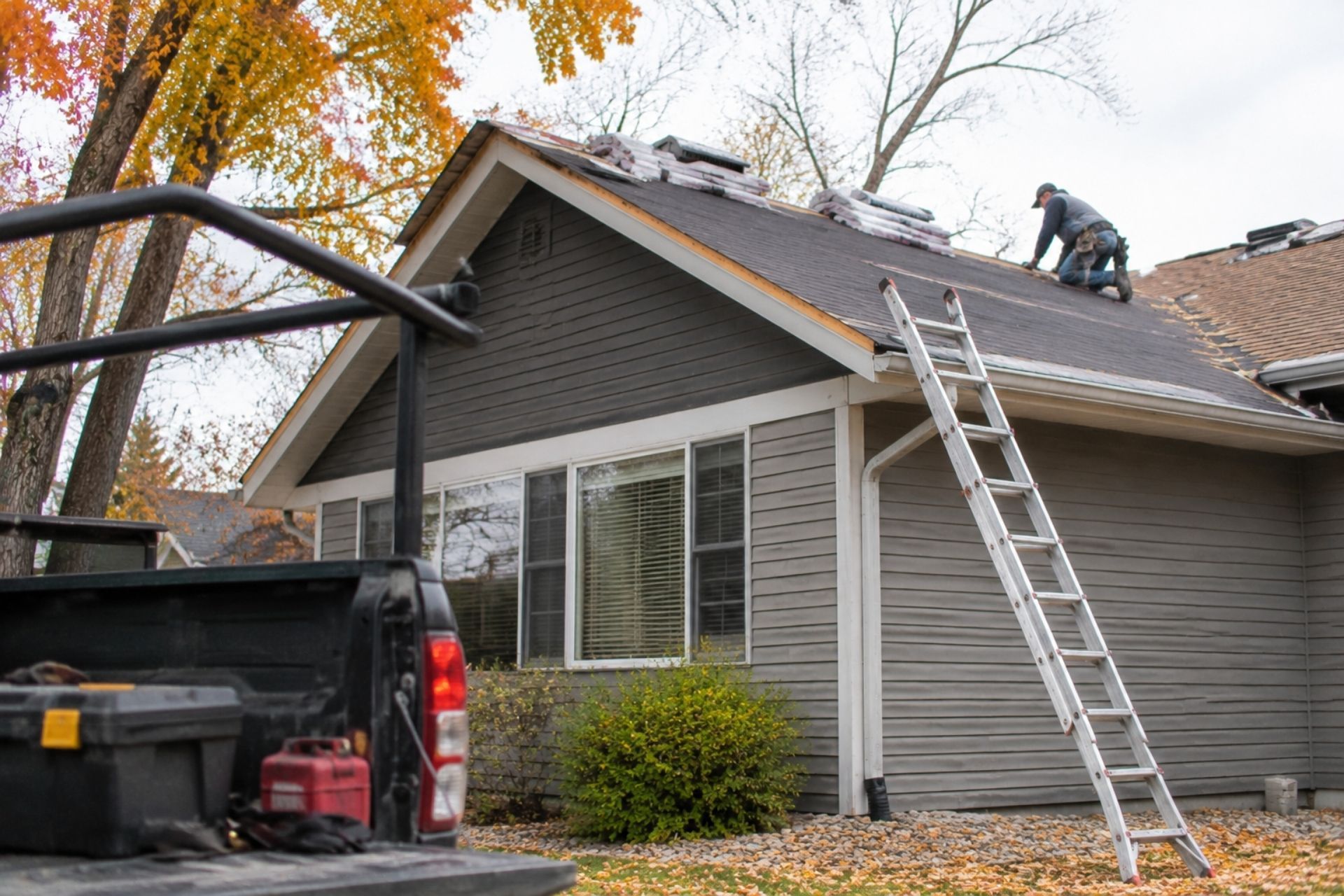
How to Check a Minnesota Contractor License: The DLI Lookup, BC License Numbers, the Recovery Fund,
4 November 2026
Learn how to verify a Minnesota contractor license using the DLI lookup, check BC numbers, understand Recovery Fund protection, and spot red flags.

How Much Does It Cost to Build a Custom Home in Minnesota: A Line-Item Look at Land, Site Work, Cons
4 November 2026
Explore the cost of building a custom home in Minnesota, including land, site preparation, construction expenses, permits, and material allowances.
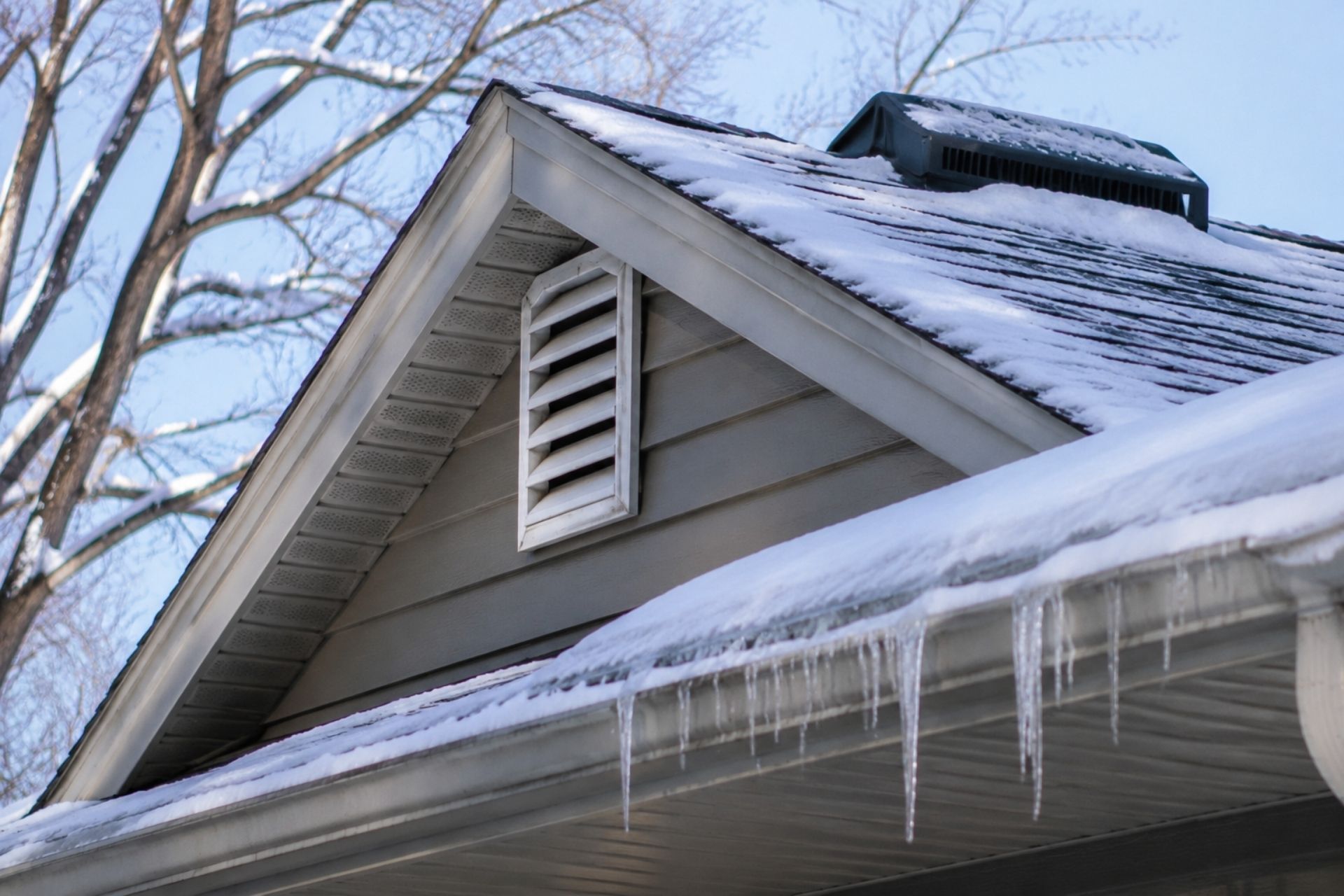
What Attic Ventilation Actually Does in Minnesota: Intake, Exhaust, and Balance, Plus the Winter Sym
4 November 2026
Learn how attic ventilation works in Minnesota, from soffit intake to ridge exhaust, and spot winter warning signs like frost, moisture, and ice dams.
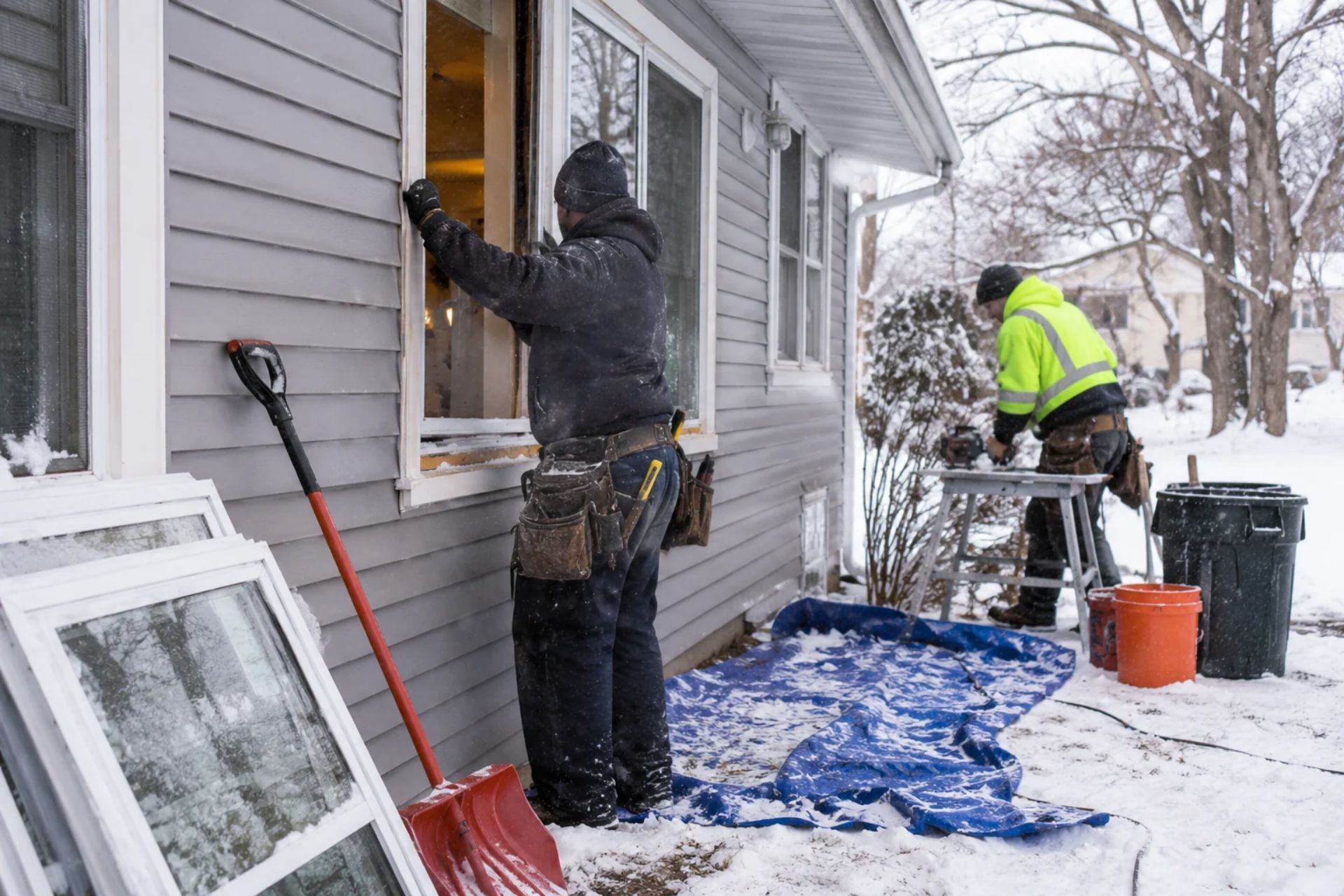
Can You Replace Windows in a Minnesota Winter: How Cold-Weather Installation Works, Room-by-Room Seq
4 November 2026
Discover how winter window replacement works in Minnesota, including cold-weather installation, room-by-room scheduling, costs, and energy savings.
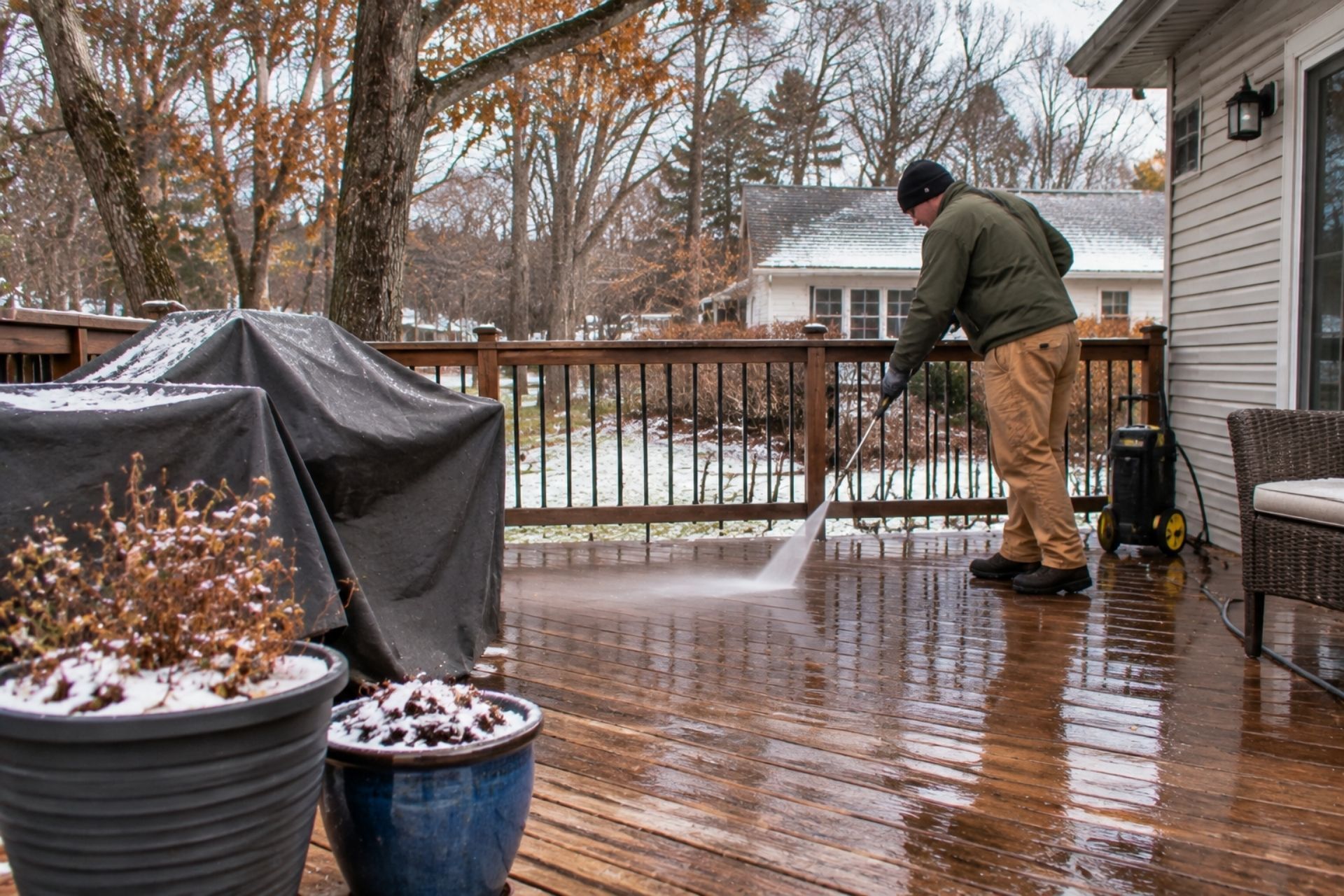
How to Winterize Your Deck in Minnesota: Cleaning, Sealing Windows of Opportunity, Furniture and Pla
4 November 2026
Learn how to winterize your Minnesota deck with expert tips on cleaning, sealing, snow protection, and preventing furniture, planter, and moisture damage.
Fall Roof Inspection Checklist for Minnesota Homes: What to Look at After Storm Season, from Shingle
4 November 2026
Prepare your Minnesota home for winter with this fall roof inspection checklist covering shingles, flashing, gutters, ice barriers, and storm damage.
What Is a Tenant Improvement Allowance in Minnesota
4 November 2026
Learn how tenant improvement allowances work in Minnesota, including TI rates, lease structures, build-out costs, permits, budgeting, and tenant control.
How Long Does a Roof Last in Minnesota
4 November 2026
Learn how long roofs last in Minnesota, including lifespans by material, weather impacts, warning signs, maintenance, and replacement timing.
Do Class 4 Shingles Lower Home Insurance Premiums in Minnesota
4 November 2026
Learn how Class 4 shingles can lower Minnesota home insurance premiums, reduce hail claims, and deliver long-term savings and roof protection.
Show More