


How Much Does It Cost to Build a Custom Home in Minnesota: A Line-Item Look at Land, Site Work, Construction Costs, and the Allowances That Move the Number

Five-star NorBrook Construction client reviews

Share this article

A new home in Minnesota carries roughly $132,000 in government regulation costs alone (zoning, permits, and impact fees). Builders estimate that figure is about 26.4% of the final sales price, which puts a typical new home near $500,000 before you add custom finishes, a walkout basement, or acreage. At NorBrook Construction, we don't hand clients a single figure and hope it holds. We build the budget line by line so you can see exactly where your money goes and which decisions push the total up or down.


That approach matters because custom pricing in Minnesota swings widely. A buildable lot in Wayzata and a wooded parcel outside Buffalo can produce two very different projects from the same floor plan. Below is how our project managers break down the cost of building a custom home in Minnesota, from dirt to door hardware.

The Real Cost per Square Foot for Minnesota Custom Homes

Here's what we tell every client who asks for a per-square-foot price: it's a starting point, not a quote. Square-foot figures blend together things that don't scale evenly. A 2,400-square-foot rambler and a 2,400-square-foot two-story can differ by tens of thousands of dollars because foundations and roofs cost more per square foot when the footprint is wide.


Our estimators separate the number into three buckets before we talk about price per foot:


  • Land and site work: lot cost, excavation, utilities, driveway, and grading
  • Hard construction costs: foundation, framing, envelope, mechanicals, and interior finishes
  • Soft costs: permits, fees, design, surveys, and financing


Regulation drives a surprising share of that soft-cost bucket. Minnesota builders estimate zoning, permits, and impact fees add nearly $132,000 to a new home. Housing advocates have also argued that statewide land-use and zoning rules often strain the finances of smaller custom projects. We can't change those rules. What we can do is price them honestly on day one, so you're not hit with a fee-shaped surprise halfway through framing.

Land Acquisition and Site Preparation Factors

The ground under your house is the least predictable part of any Minnesota build. Two lots with the same asking price can carry very different site-work bills once soils, slope, and utility access come into play. That's why our team walks a property with you before you close whenever we can.


Raw Land vs. Developed Lots in the Twin Cities


A developed lot in a west metro subdivision usually comes with city sewer and water stubbed to the property line, a recorded plat, and predictable setbacks. You pay more upfront, but the risk is lower. Raw land in Wright, Carver, or outer Hennepin County often costs less per acre. The catch is that you're buying the work too: a well, a septic system, a long driveway, and sometimes tree clearing or wetland delineation.


We see clients fall for a beautiful 5-acre parcel and only later learn it needs a 400-foot driveway and a mound septic system. Neither is a dealbreaker. Both belong in the budget before you sign the purchase agreement.


Utility Connections and Excavation Realities


City connections come with fees. For 2026, the Metropolitan Council set the regional Sewer Availability Charge at $2,485 per residential unit for new connections to its wastewater system, and individual cities layer their own water and sewer charges on top. Rural lots trade those fees for drilling. The average residential well in Minnesota reaches about 165 feet, with a turnkey cost near $9,800 including pump, tank, and permits. Deeper aquifers in some counties push that higher.


Excavation is where Minnesota soils make themselves known. Clay, high water tables, and buried boulders all change how much digging, hauling, and drain tile a foundation needs. Our crews budget for frost-depth footings and full perimeter drainage on every home, because cutting corners below grade costs far more to fix later.

A Line-Item Breakdown of Hard Construction Costs

Hard costs are everything physically built into the house. This is the biggest share of a custom home budget and the part you control most directly. Below is how we compare the common choices clients weigh.

Line Item Budget Tier Upgraded Tier NorBrook Recommends
Cabinetry and millwork Stock options from about $15,000 High-end custom can exceed $80,000 Semi-custom in the kitchen, stock in laundry and baths: most of the visual payoff at a fraction of the top-tier cost
Water and sewer City connection (2026 regional SAC: $2,485 plus local fees) Private well (avg. about $9,800 turnkey) plus septic Price both before buying land; septic design can outweigh the well cost
Landscaping Basic front yard: $1,650 to $5,500 Full-yard installation: $3,000 to over $15,000 Do grading and front yard at closing, phase the rest over a season or two
Envelope Code-minimum insulation and air sealing Upgraded insulation, advanced air sealing, triple-pane windows Spend here first: you can't easily add it after drywall

Structural Shell and High-Performance Envelopes


The shell includes the foundation, framing, roof, windows, and exterior cladding. In Minnesota, the envelope (insulation, air barrier, and windows) deserves more attention than almost anything else. A tight, well-insulated house costs more to build and less to live in for the next 30 years of January heating bills.


Our project managers push clients to prioritize the envelope over finishes. You can swap a countertop in a weekend. Re-insulating walls means tearing out drywall. We'd rather see you choose a mid-range faucet and a better window package than the reverse.


Interior Allowances: Cabinets, Flooring, and Fixtures


Allowances are placeholder dollar amounts for items you'll pick later: cabinets, flooring, tile, lighting, plumbing fixtures, and appliances. They're also where budgets most often drift. A low allowance makes a bid look attractive until your selections come in $40,000 over.


We set allowances based on what our clients in your price range actually choose, not on the cheapest product in the catalog. Cabinetry shows how wide the spread runs: stock lines start around $15,000, while fully custom work can top $80,000. When you know the realistic range early, you can decide where to splurge and where to save before anything is ordered.

Why Homeowners Choose NorBrook for Greater MN Builds

NorBrook Construction was founded by brothers Robb and Seth Norling with Charlie Brookins, and we run every project out of our office in Maple Plain. We're a licensed Minnesota residential building contractor (license BC80875), lead-safe certified (LFC-281), and our leadership is OSHA 30 trained. Those credentials matter, but what clients mention most is how a build feels from the inside.


Every custom home gets a dedicated project manager who sends daily or weekly updates from excavation through the final punch list. You'll know when footings are poured, when inspections pass, and when an allowance is trending over before it becomes a problem. We treat you as a partner in decisions, not a spectator.


Because we also handle exterior remodeling and commercial construction, one team owns your entire build. Questions go to someone who knows your project. Call us at 763-237-5114 to talk through your lot and plans.

Custom Home Pricing FAQ: Insights from NorBrook

How long does it take to build a custom home in Minnesota? Most of our builds run several months from groundbreaking to move-in, depending on size, design complexity, and permit timelines. Breaking ground before the frost sets in keeps foundation work on schedule.


Should I buy land before talking to a builder? We recommend calling us first. We can review soils, utility access, and setbacks so you know the site-work costs before you commit to the purchase.


What happens if my selections go over the allowance? You pay the difference, and your project manager shows you the running total as you choose. We'd rather flag a $3,000 overage in the showroom than at closing.


Can I build in winter in Minnesota? Yes, with planning. Winter excavation and concrete need heating and protection, which adds cost, so we help clients weigh timing against budget.


Are impact fees and permits included in your estimates? Yes. We include permits, connection charges, and local fees in our line-item budgets so the figure you see reflects the real cost.

Your Next Step with NorBrook

Every lot, floor plan, and family is different, and a realistic budget starts with your specifics. If you're weighing a parcel, comparing plans, or wondering whether your target price is realistic, our team will walk through it with you. We'll look at your land, talk through allowances, and show you where your dollars do the most good.


Request a Free Estimate for your Minnesota custom home, and we'll prepare a line-item budget built around your lot and your priorities. A dedicated NorBrook project manager will stay with your build from the first site visit to the final walkthrough, with regular updates along the way. Prefer to talk it through? Call us at 763-237-5114.


The best custom homes start with an honest budget. We'd be glad to help you build yours.

Recent Posts

Hail Damage Roof Claims in Minnesota: How the Insurance Process Works, What Adjusters Look For, and
4 November 2026
Learn how Minnesota hail damage roof claims work, what insurance adjusters inspect, and how the state matching rule may support full roof replacement.
How to Check a Minnesota Contractor License: The DLI Lookup, BC License Numbers, the Recovery Fund,
4 November 2026
Learn how to verify a Minnesota contractor license using the DLI lookup, check BC numbers, understand Recovery Fund protection, and spot red flags.
What Attic Ventilation Actually Does in Minnesota: Intake, Exhaust, and Balance, Plus the Winter Sym
4 November 2026
Learn how attic ventilation works in Minnesota, from soffit intake to ridge exhaust, and spot winter warning signs like frost, moisture, and ice dams.
Can You Replace Windows in a Minnesota Winter: How Cold-Weather Installation Works, Room-by-Room Seq
4 November 2026
Discover how winter window replacement works in Minnesota, including cold-weather installation, room-by-room scheduling, costs, and energy savings.
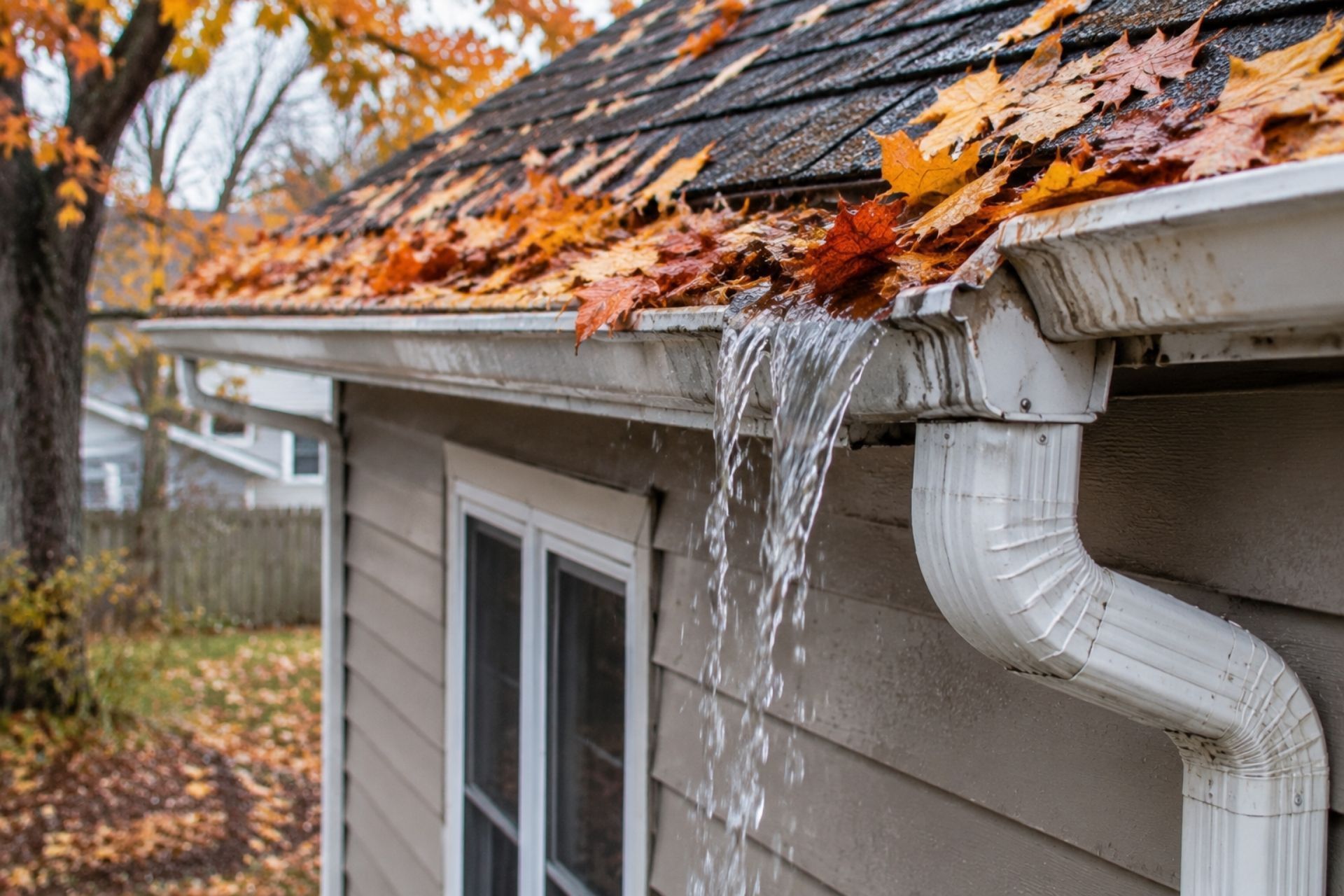
Why Minnesota Gutters Overflow in Late Fall: Leaf Load, Undersized Downspouts, Pitch Problems, and t
4 November 2026
Discover why Minnesota gutters overflow in late fall and how proper cleaning, downspout sizing, gutter repairs, and drainage prevent foundation damage.
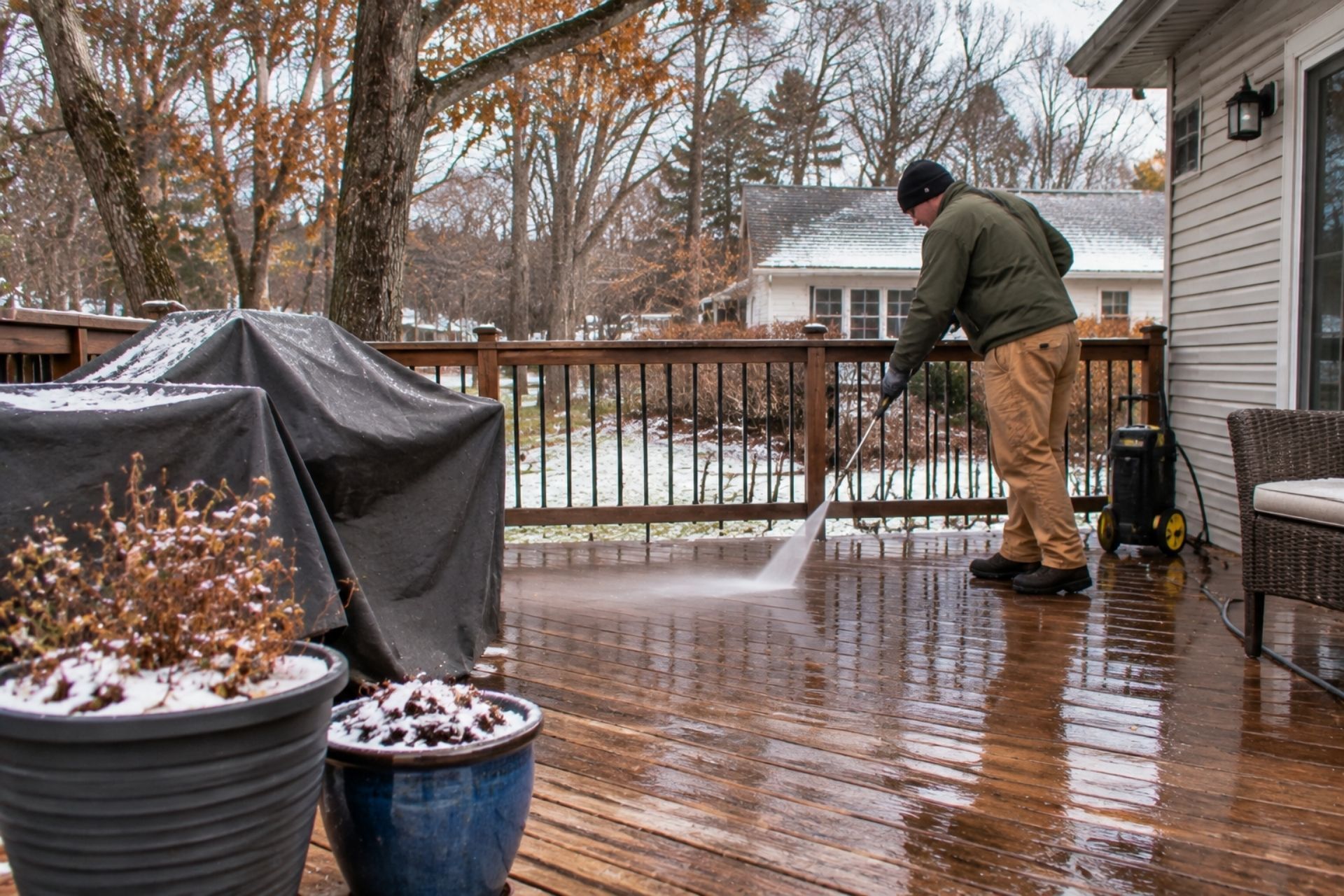
How to Winterize Your Deck in Minnesota: Cleaning, Sealing Windows of Opportunity, Furniture and Pla
4 November 2026
Learn how to winterize your Minnesota deck with expert tips on cleaning, sealing, snow protection, and preventing furniture, planter, and moisture damage.
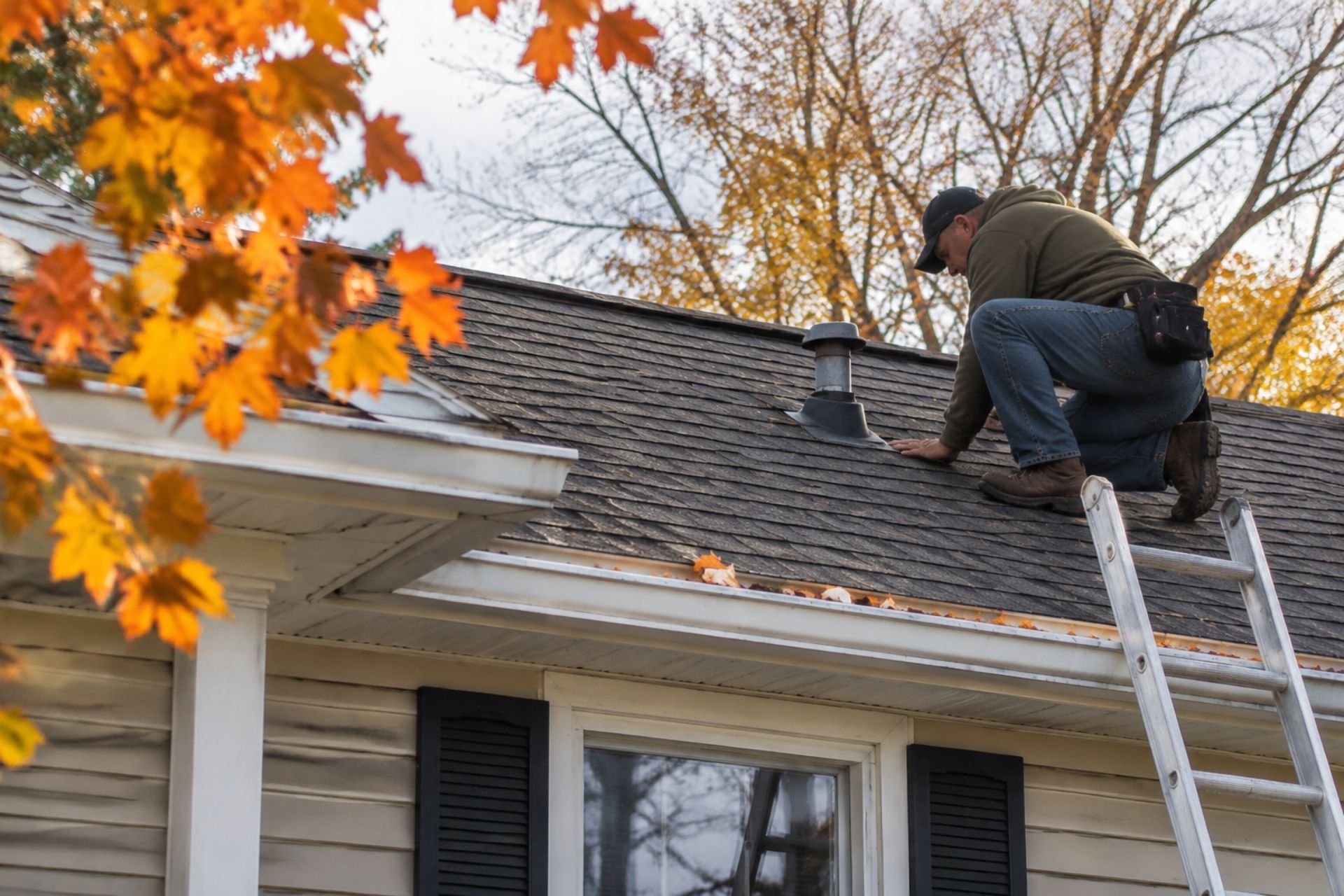
Fall Roof Inspection Checklist for Minnesota Homes: What to Look at After Storm Season, from Shingle
4 November 2026
Prepare your Minnesota home for winter with this fall roof inspection checklist covering shingles, flashing, gutters, ice barriers, and storm damage.
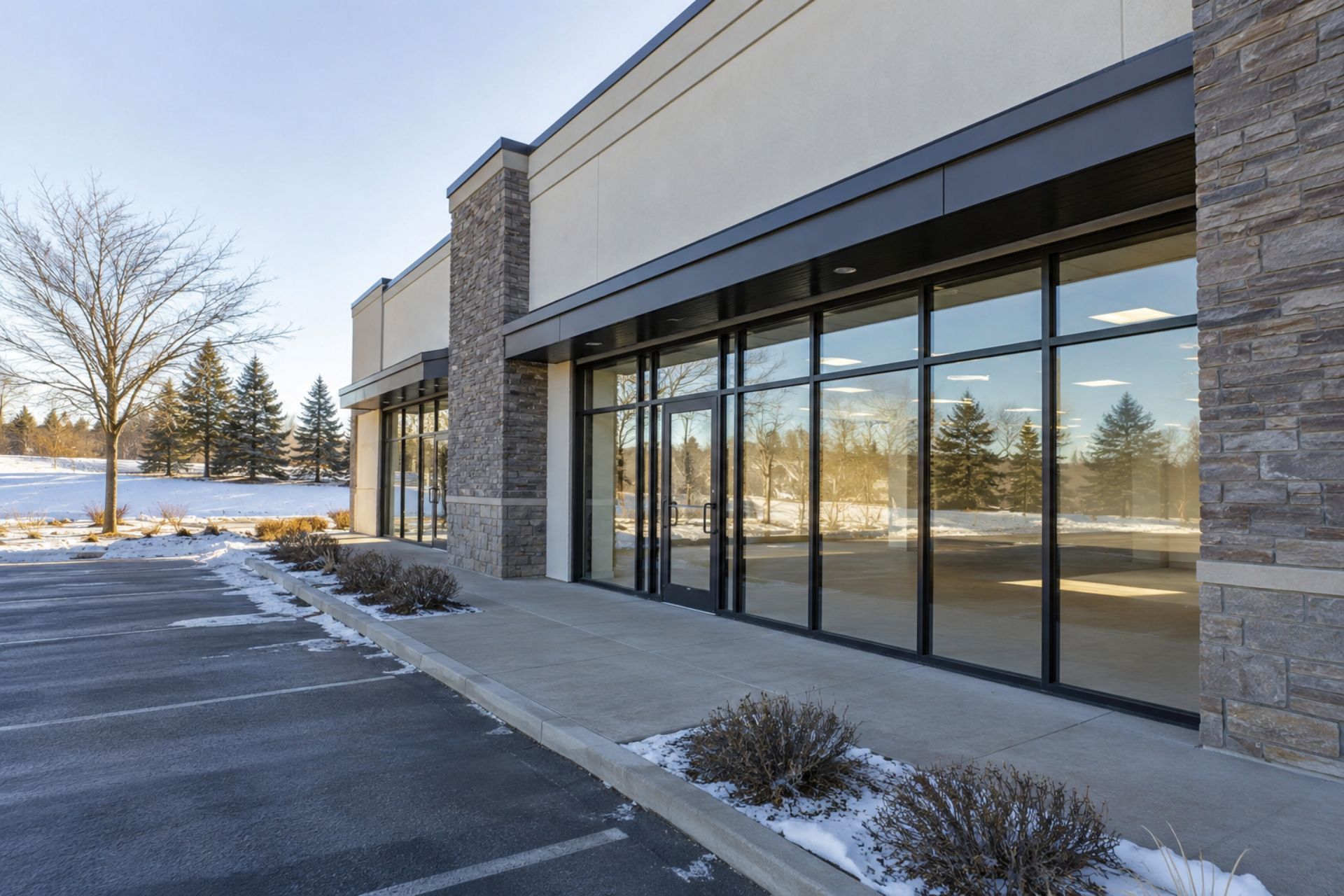
What Is a Tenant Improvement Allowance in Minnesota
4 November 2026
Learn how tenant improvement allowances work in Minnesota, including TI rates, lease structures, build-out costs, permits, budgeting, and tenant control.
How Long Does a Roof Last in Minnesota
4 November 2026
Learn how long roofs last in Minnesota, including lifespans by material, weather impacts, warning signs, maintenance, and replacement timing.
Do Class 4 Shingles Lower Home Insurance Premiums in Minnesota
4 November 2026
Learn how Class 4 shingles can lower Minnesota home insurance premiums, reduce hail claims, and deliver long-term savings and roof protection.
Show More