


Why Do Ice Dams Form on Minnesota Roofs

Five-star NorBrook Construction client reviews

Share this article

Ice dams form on Minnesota roofs when heat escaping from your attic melts snow on the upper portions of the roof, and that meltwater refreezes at the colder eaves, creating a ridge of ice that traps water behind it. That trapped water backs up under shingles, seeps into walls, and causes the kind of damage that ruins ceilings, insulation, and entire winter seasons. At NorBrook Construction, we see the aftermath of ice dams every year across the Twin Cities and western suburbs, and we've learned that the real fix almost always starts inside the house, not on the roof. The 2025-2026 winter season has been especially rough, with temperature swings that create perfect conditions for ice dam formation. Understanding the mechanics behind this problem is the first step toward protecting your home, and it's a question we answer for homeowners almost daily between November and March. Here's what's actually happening on your roof, what makes Minnesota homes particularly vulnerable, and what you can do about it before the next freeze-thaw cycle hits.

The Anatomy of a Minnesota Ice Dam

The basic physics are straightforward, but the way Minnesota's climate amplifies the problem is worth understanding. A warm attic heats the roof deck. Snow sitting on that warm section melts. The water flows downhill toward the eaves, which hang past the exterior wall and stay cold because there's no heated space below them. When that meltwater hits the cold eave, it freezes. Repeat this cycle a few hundred times over a Minnesota winter, and you get an ice ridge that can grow inches thick and feet wide.


The dam itself isn't the main problem: it's the pool of water that forms behind it. That standing water has nowhere to go except under your shingles and into your roof deck, where it soaks insulation, stains ceilings, and can even rot structural framing over time. Minnesota's heavy snowfall and dramatic temperature swings make this cycle more intense than in most other states.


The Role of Heavy Snowfall and Freezing Cycles


Minnesota averages 50-plus inches of snow per season, and that snow acts as insulation on your roof. A thick blanket of snow traps heat escaping from below, which accelerates melting on the upper roof while the eaves stay frigid. The worst ice dam conditions happen when daytime temps climb above freezing and nighttime temps plunge well below it, a pattern that's common from late December through February.


We tell our clients to pay attention to the forecast. A stretch of 25°F days followed by single-digit nights is prime ice dam territory. The snow melts just enough during the day, then the runoff freezes hard at the eaves overnight. By the time you notice icicles forming along your gutters, the dam is already building. Icicles themselves aren't necessarily a sign of damage, but they're a warning that the melt-freeze cycle is active on your roof.


How Heat Loss From the Attic Triggers Melting


Here's the part most people miss: ice dams are fundamentally an insulation and ventilation problem, not a roofing problem. If your attic stays the same temperature as the outside air, snow won't melt on the roof deck at all. The Minnesota Department of Commerce recommends maintaining proper attic insulation as one of the most effective ways to prevent ice dams and reduce energy costs.


Our crews regularly find attics in 1970s and 1980s homes with R-19 insulation or less. Current Minnesota energy code calls for R-49 in most attic applications. That gap means a massive amount of heat is escaping through the ceiling, warming the roof deck, and feeding the melt cycle. When we inspect homes after ice dam damage, the attic is almost always the root cause.

Common Structural Culprits in Local Homes

Older Minnesota homes have specific construction details that make ice dams worse. We see the same handful of issues repeatedly across the western suburbs, from Maple Plain to Plymouth to Minnetonka.


Insufficient Attic Insulation and Ventilation


Thin or compressed insulation is the number one culprit. Fiberglass batts that were installed decades ago lose loft over time, especially if someone has been walking on them in the attic. Blown cellulose settles. And in many homes, the insulation simply wasn't thick enough to begin with. Proper soffit-to-ridge ventilation is equally critical because it allows cold outside air to flow under the roof deck, keeping the surface temperature uniform. When soffit vents are blocked by insulation or ridge vents are undersized, the attic traps warm air and the roof becomes a snow-melting machine.


We approach this as a system problem. Adding insulation without fixing ventilation, or vice versa, usually doesn't solve the issue completely. Our project managers evaluate both components together and recommend a plan that addresses the actual weak points in your specific attic.


Bypass Leaks: Recessed Lights and Chimneys


Bypass leaks are the sneaky contributors. These are gaps in the ceiling plane where warm air from your living space rises directly into the attic. Recessed light cans, plumbing vent stacks, chimney chases, attic hatches, and even gaps around electrical wires all create pathways for heated air. A single unsealed recessed light can push enough warm air into the attic to melt snow on the roof above it, and most older homes have dozens of these penetrations.


The Minnesota Center for Energy and Environment identifies air sealing as a critical first step before adding insulation. Piling new insulation over leaky ceiling penetrations is like putting a sweater on over a wet shirt: it helps a little, but the real problem remains. Our crews seal these bypasses with fire-rated caulk and rigid foam before adding any insulation, which is the approach that actually produces results.

Comparing Ice Dam Mitigation Strategies

Not every solution works equally well, and some are far more cost-effective than others. Here's a breakdown of the most common approaches we discuss with homeowners:

Strategy Typical Cost Effectiveness NorBrook Recommendation
Roof raking after each snowfall $30-$80 for a rake Moderate: reduces snow load but requires consistent effort Good temporary measure; won't fix the underlying cause
Professional ice dam removal (steam) $300-$1,500 per visit High for immediate relief; does not prevent recurrence Use when damage is imminent, but don't rely on it annually
Heat cables along eaves $500-$1,500 installed Low to moderate; creates channels but doesn't stop dams We rarely recommend these: they increase energy costs and often fail at the worst times
Attic air sealing + insulation upgrade $2,000-$6,000 High: addresses the root cause permanently Our top recommendation for long-term prevention
Ice and water shield membrane (at re-roof) Included in re-roof cost High as a secondary barrier; doesn't prevent dams but prevents leaks We install this on every roof project as standard practice

Professional ice dam removal for the 2025-2026 season typically ranges from $300 to $1,500 depending on the size and severity of the dam. That cost adds up fast if you're paying for removal multiple times per winter. The math almost always favors investing in attic improvements that prevent the problem from recurring.

The Hazards of Improper Removal and DIY Methods

We get calls every spring from homeowners who tried to remove ice dams themselves and ended up with bigger problems. Chipping at ice with a hammer or hatchet is the most common mistake, and it almost always damages shingles, gouges the roof deck, or both. Pressure washers can force water under shingles and into the attic. Even salt-filled pantyhose, a popular internet tip, can corrode metal flashing and kill landscaping below.


The real danger is personal safety. Climbing a ladder onto an icy roof in January is one of the most hazardous things a homeowner can do. Falls from residential roofs account for a significant portion of winter emergency room visits in Minnesota. Steam removal by trained professionals is the only method we recommend for active ice dams because it removes ice without damaging the roof surface. Our crews carry proper safety certifications and use fall protection equipment that most homeowners simply don't have access to.


The catch is that removal only treats the symptom. If you're spending $800 or more every winter on professional removal, that money would be better invested in the attic work that prevents ice dams from forming in the first place. That's the conversation we have with every client who calls us mid-winter.

Why Homeowners Choose NorBrook for Winter Protection

We're a Minnesota-based general contractor founded by the Norling brothers and Charlie Brookins, headquartered in Maple Plain. We've built our reputation on honest assessments and work that actually solves problems rather than temporary patches that need repeating every season. When a homeowner calls us about ice dams, we start with a thorough attic inspection because that's where the answers are.


Expertise From the Norling Brothers and Charlie Brookins


Seth Norling, Nate Norling, and Charlie Brookins founded NorBrook Construction with the belief that residential construction should be collaborative and transparent. That philosophy extends to ice dam prevention work. We don't just show up, blow in some insulation, and leave. Our project managers walk you through exactly what we found in your attic, explain why those conditions are causing ice dams, and present options with real costs attached.


We treat every client as a partner in the process. You'll get regular updates from a dedicated project manager who knows your project inside and out. That level of communication matters because attic work often uncovers surprises: old knob-and-tube wiring, bathroom fans vented into the attic, or structural issues that need attention. You'll know about them the same day we find them.


Local Accountability and Safety Certifications


We hold Minnesota residential building contractor license BC80875, verifiable through the Minnesota Department of Labor and Industry. We're EPA lead-safe certified (LFC-281), which is required for work on homes built before 1978, and that includes a huge portion of the Twin Cities housing stock. Co-founder Seth Norling holds OSHA 30 certification, which means our leadership takes jobsite safety seriously at every level.


Local accountability matters. We live and work in the same communities as our clients. When snow loads and ice dams threaten Minnesota homes, we're dealing with the same weather on our own houses. That shared experience shapes how we approach every project: with urgency, practical knowledge, and a genuine stake in getting it right.

Common Questions About MN Roof Maintenance

Can I prevent ice dams just by raking my roof? Raking helps reduce the snow available for melting, but it doesn't address the heat loss causing the melt in the first place. We recommend raking as a supplement to attic improvements, not a replacement.


How do I know if my attic insulation is adequate? If you can see the tops of your ceiling joists when you look into your attic, you almost certainly need more insulation. Minnesota's energy conservation guidelines recommend R-49 for most attic applications, which translates to roughly 16-20 inches of blown cellulose or fiberglass.


Do ice dams void my roof warranty? Most manufacturer warranties don't cover damage caused by ice dams specifically. That said, proper installation of ice and water shield membrane along the eaves is a warranty requirement for most shingle manufacturers, and it provides a critical secondary barrier against leaks.


Should I install heat cables on my roof? We generally advise against heat cables as a primary solution. They're expensive to run, they can fail during power outages (which often coincide with the worst winter storms), and they don't solve the underlying heat loss problem. The money is better spent on insulation and air sealing.


When is the best time to address ice dam prevention? Late summer and early fall are ideal. Attic work is easier and safer in warm weather, and you'll be protected before the first heavy snowfall. That said, we can perform inspections year-round and schedule work accordingly.


Will my homeowner's insurance cover ice dam damage? Most policies cover sudden water damage from ice dams, but they typically won't pay for the prevention work itself. Filing repeated claims can also affect your premiums or insurability, which is another reason to address the root cause.

Your Next Step with NorBrook

If you've been dealing with ice dams year after year, or you've noticed icicles forming along your eaves this winter, the problem isn't going to fix itself. The solution is almost always in your attic, and it's work that pays for itself by eliminating annual removal costs and preventing expensive water damage.


We'd love to take a look at your specific situation. Our team will inspect your attic, identify the heat loss points driving ice dam formation on your roof, and give you a clear plan with honest pricing. A dedicated project manager handles every detail from start to finish, so you always know exactly where things stand.


Call us at 763-237-5114, or Request a Free Estimate online. Whether you're in Maple Plain, the western suburbs, or anywhere in the Twin Cities metro, we'll help you get through this winter and every one after it without worrying about what's happening on your roof.

Recent Posts

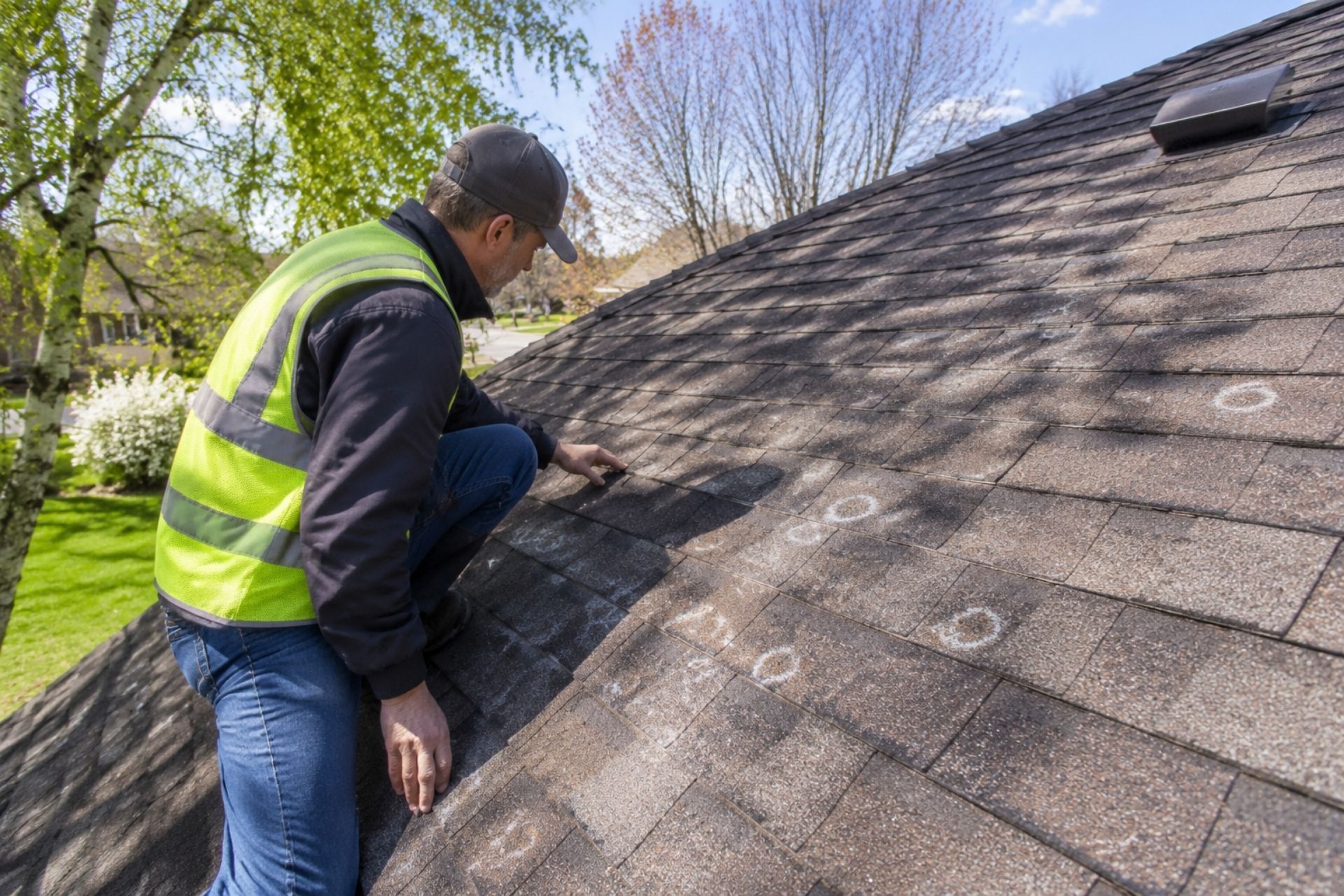
Hail Damage Roof Claims in Minnesota: How the Insurance Process Works, What Adjusters Look For, and
4 November 2026
Learn how Minnesota hail damage roof claims work, what insurance adjusters inspect, and how the state matching rule may support full roof replacement.
How to Check a Minnesota Contractor License: The DLI Lookup, BC License Numbers, the Recovery Fund,
4 November 2026
Learn how to verify a Minnesota contractor license using the DLI lookup, check BC numbers, understand Recovery Fund protection, and spot red flags.
How Much Does It Cost to Build a Custom Home in Minnesota: A Line-Item Look at Land, Site Work, Cons
4 November 2026
Explore the cost of building a custom home in Minnesota, including land, site preparation, construction expenses, permits, and material allowances.
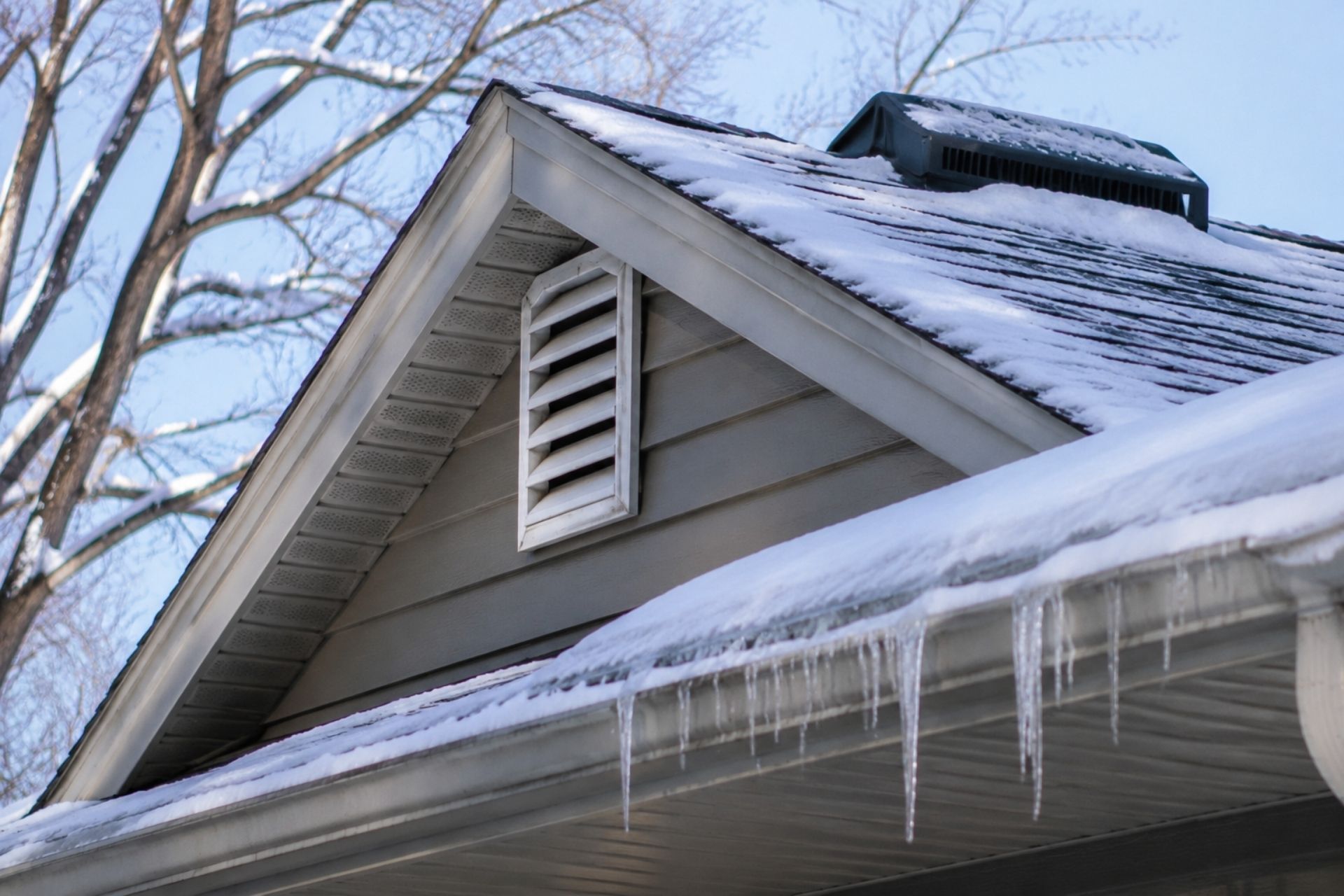
What Attic Ventilation Actually Does in Minnesota: Intake, Exhaust, and Balance, Plus the Winter Sym
4 November 2026
Learn how attic ventilation works in Minnesota, from soffit intake to ridge exhaust, and spot winter warning signs like frost, moisture, and ice dams.
Can You Replace Windows in a Minnesota Winter: How Cold-Weather Installation Works, Room-by-Room Seq
4 November 2026
Discover how winter window replacement works in Minnesota, including cold-weather installation, room-by-room scheduling, costs, and energy savings.
Why Minnesota Gutters Overflow in Late Fall: Leaf Load, Undersized Downspouts, Pitch Problems, and t
4 November 2026
Discover why Minnesota gutters overflow in late fall and how proper cleaning, downspout sizing, gutter repairs, and drainage prevent foundation damage.
How to Winterize Your Deck in Minnesota: Cleaning, Sealing Windows of Opportunity, Furniture and Pla
4 November 2026
Learn how to winterize your Minnesota deck with expert tips on cleaning, sealing, snow protection, and preventing furniture, planter, and moisture damage.
Fall Roof Inspection Checklist for Minnesota Homes: What to Look at After Storm Season, from Shingle
4 November 2026
Prepare your Minnesota home for winter with this fall roof inspection checklist covering shingles, flashing, gutters, ice barriers, and storm damage.
What Is a Tenant Improvement Allowance in Minnesota
4 November 2026
Learn how tenant improvement allowances work in Minnesota, including TI rates, lease structures, build-out costs, permits, budgeting, and tenant control.
How Long Does a Roof Last in Minnesota
4 November 2026
Learn how long roofs last in Minnesota, including lifespans by material, weather impacts, warning signs, maintenance, and replacement timing.
Show More