

How to Check a Minnesota Contractor License

Five-star NorBrook Construction client reviews

Share this article

You can check a Minnesota contractor's license in about two minutes using the free lookup tool on the Minnesota Department of Labor and Industry (DLI) website. Just enter the business name or license number, and the system returns the contractor's current status, license type, and expiration date. At NorBrook Construction, we encourage every homeowner to verify credentials before signing a contract: it's one of the simplest ways to protect yourself from unlicensed operators. Our own residential building contractor license, BC80875, is fully verifiable through that same DLI tool, and we're proud of that transparency. Minnesota has over 134,000 registered contractors, with more than 81,000 offering specialty trades, so the pool is enormous. Knowing how to separate the legitimate professionals from the rest is worth the few minutes it takes.

The Importance of Verifying a Minnesota Contractor License

Hiring an unlicensed contractor in Minnesota isn't just risky: it can leave you without legal recourse if something goes wrong. The state requires licensing for any residential contractor whose work (labor and materials combined) exceeds $15,000 on a single project. That threshold catches most meaningful home improvement jobs, from siding replacements to kitchen remodels.


Here's what that means for you: if a contractor can't produce a valid license number, they haven't met the state's bonding, insurance, and competency requirements. You'd be trusting your home to someone the state hasn't vetted. And if the project falls apart, your options for recovery shrink dramatically.


We tell our clients to treat license verification the same way they'd treat checking a pilot's credentials before a flight. It takes seconds, it's free, and it eliminates a huge category of risk. Minnesota's new independent contractor classification rules have also tightened enforcement, meaning the state is actively cracking down on companies that skirt licensing requirements. The landscape has shifted toward greater accountability, and that's good news for homeowners who do their homework.

Using the Minnesota Department of Labor and Industry (DLI) Search Tool

The DLI's online license lookup is the single authoritative source for verifying a contractor in Minnesota. It's maintained by the state, updated regularly, and free to use. No third-party website can give you more reliable information.


To access it, go to the DLI website and find the "License Lookup" function under the construction section. The interface is straightforward: you'll see search fields for business name, individual name, license number, and city. You don't need an account or login to run a search.


Searching by Business Name or License Number


If you have the contractor's license number, that's the fastest route. Type it in, hit search, and you'll get an exact match. For example, searching BC80875 pulls up NorBrook Construction with our full details: license type, status, and expiration date.


Searching by business name works too, but it can return multiple results if the name is common. We recommend asking any contractor for their license number upfront. A legitimate company will hand it over without hesitation. If they dodge the question or say they "don't have it handy," that's a red flag worth paying attention to.

Understanding Active, Inactive, and Expired Statuses


The search results will show one of several statuses. An "Active" status means the license is current and the contractor is authorized to work. "Inactive" means the license exists but the contractor isn't currently authorized, often because they haven't renewed their bond or insurance. "Expired" means the license lapsed entirely.


Only hire a contractor whose license shows as Active. An expired or inactive license means they may not carry the required insurance, and any work they perform could leave you exposed. Minnesota's classification laws have expanded the state's power to investigate and penalize misclassified or unlicensed operators, so the consequences for contractors operating without proper credentials have gotten steeper.

Key Credentials to Look for Beyond the License

A valid license is the baseline, not the finish line. Several other credentials tell you whether a contractor takes safety, compliance, and quality seriously. We carry these certifications ourselves because our clients deserve that assurance.


Lead-Safe Certification and EPA Requirements


Any renovation work on a home built before 1978 requires EPA lead-safe certification under the Renovation, Repair, and Painting (RRP) Rule. This isn't optional: it's federal law. Contractors who disturb lead-based paint without proper training and containment procedures can expose your family to serious health hazards.


Our EPA lead-safe certification number is LFC-281, and we follow strict containment and cleanup protocols on every pre-1978 project. Ask any contractor you're considering whether they hold this certification. If they shrug it off or claim it doesn't apply, walk away. The fines for violating the RRP Rule can exceed $37,500 per day per violation, which tells you how seriously the EPA takes this.


OSHA Safety Standards and Training


OSHA training isn't legally required for all contractors, but it's a strong indicator of professionalism. The OSHA 30 certification, which covers hazard recognition, fall protection, scaffolding safety, and electrical standards, goes well beyond the basic OSHA 10 card that many workers carry.


Our co-founder Seth Norling holds the OSHA 30 certification, and that safety-first mindset filters through every job site we run. Minnesota's zero-exposure workers' compensation law means that even companies with no employees can face liability if subcontractors get injured without proper coverage. A contractor who invests in OSHA 30 training is signaling that they manage risk proactively, not reactively.

Comparing Hiring Tiers: Licensed Pros vs. Handymen

Not every home project requires a licensed general contractor, and not every handyman job is as simple as it looks. The confusion between these two categories costs Minnesota homeowners real money every year: either by overpaying for simple tasks or by trusting complex work to someone unqualified.


Here's how the tiers break down:

Factor Licensed General Contractor Handyman (Unlicensed) What We Recommend at NorBrook
Project Cost Over $15,000 (labor + materials) Under $15,000 If your project is anywhere near $15K, go licensed. Scope creep is real.
Insurance/Bonding Required by state law Not required Always verify insurance regardless of project size.
Permits Can pull building permits Typically cannot Any structural, electrical, or plumbing work needs permits: hire licensed.
Warranty Often 1-2 year workmanship warranty Rarely offered We provide written warranties on our work. Ask any contractor for theirs in writing.
Recourse if Problems Arise State complaint process, bond claims Limited to small claims court Licensed contractors give you a real path to resolution.
Typical Projects Additions, remodels, new builds, siding Painting, minor repairs, fixture swaps Match the contractor tier to the actual complexity of the job.

The catch is that Minnesota's strict contractor classification rules mean even subcontractors on a project need to be properly classified and insured. When you hire a licensed general contractor, they're responsible for managing that compliance across every trade on your job. That's a layer of protection you simply don't get with an unlicensed handyman on a complex project.

Why Homeowners Choose NorBrook for Their Projects

We built NorBrook Construction around a simple idea: homeowners shouldn't have to wonder whether their contractor is cutting corners. Founded by the Norling brothers and Charlie Brookins, we're based in Maple Plain, Minnesota, and every project gets a dedicated project manager who provides regular updates so you're never guessing about progress or costs.


Our credentials are fully verifiable. Minnesota residential building contractor license BC80875 is active and searchable through the DLI tool described above. Our EPA lead-safe certification, LFC-281, covers renovation work on older homes. Seth Norling's OSHA 30 certification means our job sites meet safety standards that go beyond the minimum.


What sets us apart is how we treat the relationship. We approach every project as a partnership: your vision, our expertise. Whether it's a custom home build, exterior remodel, or commercial construction project, our crews and project managers work collaboratively with you through every phase. That means transparent pricing, honest timelines, and the kind of detail-oriented craftsmanship that shows up in the finished product. We don't disappear after the contract is signed, and we don't surprise you with change orders that balloon the budget.

Common Questions About MN Contractor Verification

Is there a fee to look up a contractor's license in Minnesota? No. The DLI license lookup tool is completely free and available to anyone online. We recommend bookmarking it if you're comparing multiple contractors.


What if a contractor says they're licensed but their name doesn't appear in the DLI system? Ask for their exact license number and search again. If it still doesn't appear, do not hire them. They may be operating under a different business entity, or they may simply not be licensed. Either way, you need clarity before signing anything.


Does a valid license mean the contractor is insured? A Minnesota contractor license requires proof of insurance and bonding at the time of issuance and renewal. That said, policies can lapse between renewals. We always recommend asking for a current certificate of insurance and calling the insurer to confirm it's active.


Can I verify a contractor's lead-safe certification separately? Yes. The EPA maintains a searchable database of certified lead-safe renovators. You can search by firm name or certification number. Our certification, LFC-281, is listed there.


What happens if I hire an unlicensed contractor and the work is defective? Your legal options narrow significantly. You won't be able to file a complaint through the DLI's formal process, and there's no surety bond to claim against. You'd likely be limited to small claims court, where collecting on a judgment can be difficult. Minnesota has been increasing penalties for contractor misclassification, but that enforcement protects future homeowners: it won't fix your specific situation after the fact.


Do subcontractors need to be licensed too? It depends on the trade and project value. Electrical, plumbing, and HVAC subcontractors need their own state licenses regardless of project size. For general construction subcontractors, the classification rules that took effect in recent years require them to meet specific criteria to be properly classified. When you hire us, we handle all subcontractor vetting and compliance.

Your Next Step with NorBrook

Checking a contractor's license takes two minutes. Making the right hiring decision takes a bit more thought, but it starts with that simple verification step. If you've looked us up through the DLI tool and confirmed our license BC80875 is active, you already know we practice what we preach about transparency.


Whether you're planning a custom home build, an exterior renovation, or a commercial project anywhere in Minnesota, we'd love to hear about it. Every NorBrook project comes with a dedicated project manager, clear communication from start to finish, and the kind of craftsmanship that holds up for years.


Give us a call at 763-237-5114 to talk through your project, or Request a Free Estimate online. We'll walk you through scope, timeline, and pricing with zero pressure: just honest answers from a team that's been doing this the right way since day one.

Recent Posts

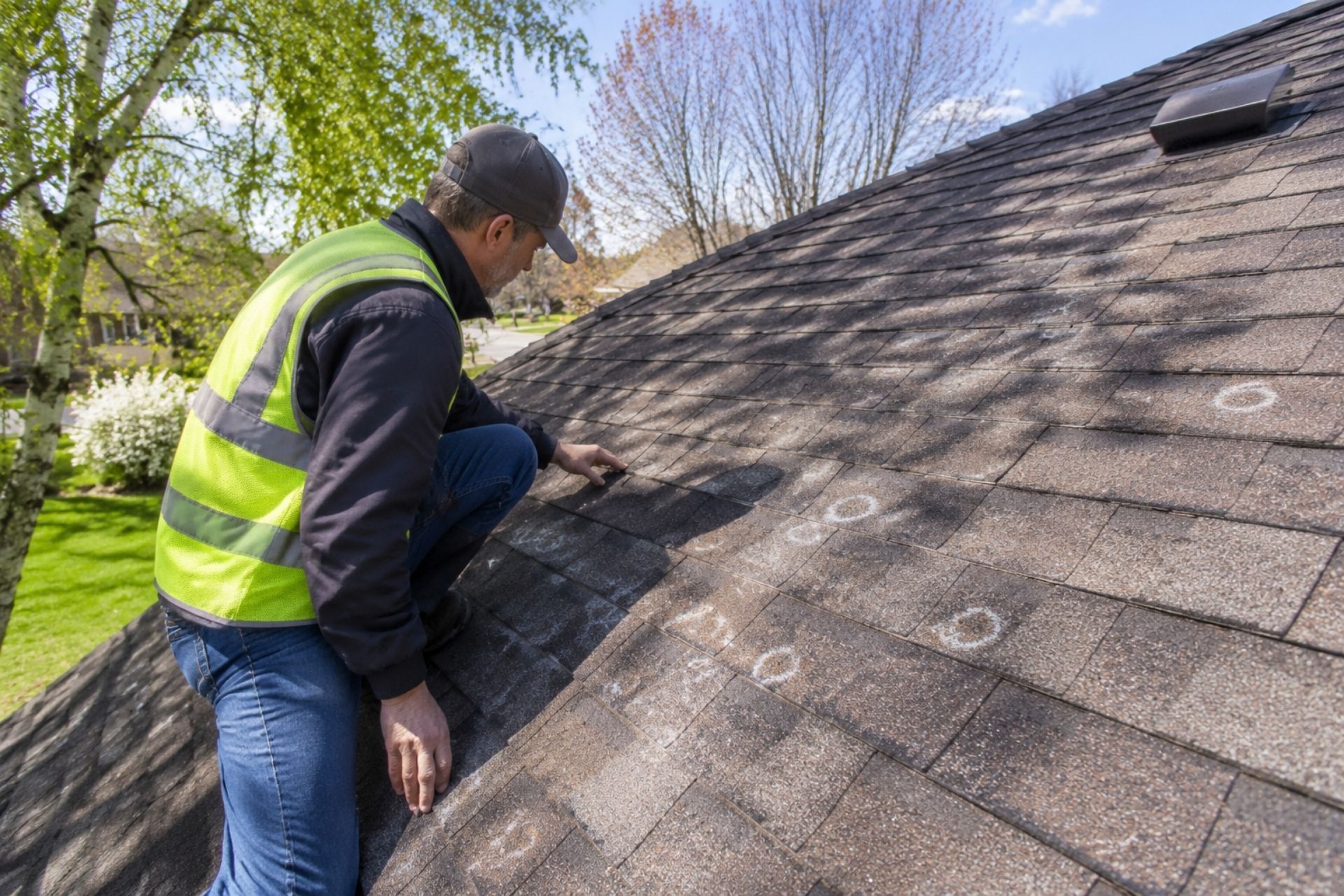
Hail Damage Roof Claims in Minnesota: How the Insurance Process Works, What Adjusters Look For, and
4 November 2026
Learn how Minnesota hail damage roof claims work, what insurance adjusters inspect, and how the state matching rule may support full roof replacement.
How to Check a Minnesota Contractor License: The DLI Lookup, BC License Numbers, the Recovery Fund,
4 November 2026
Learn how to verify a Minnesota contractor license using the DLI lookup, check BC numbers, understand Recovery Fund protection, and spot red flags.
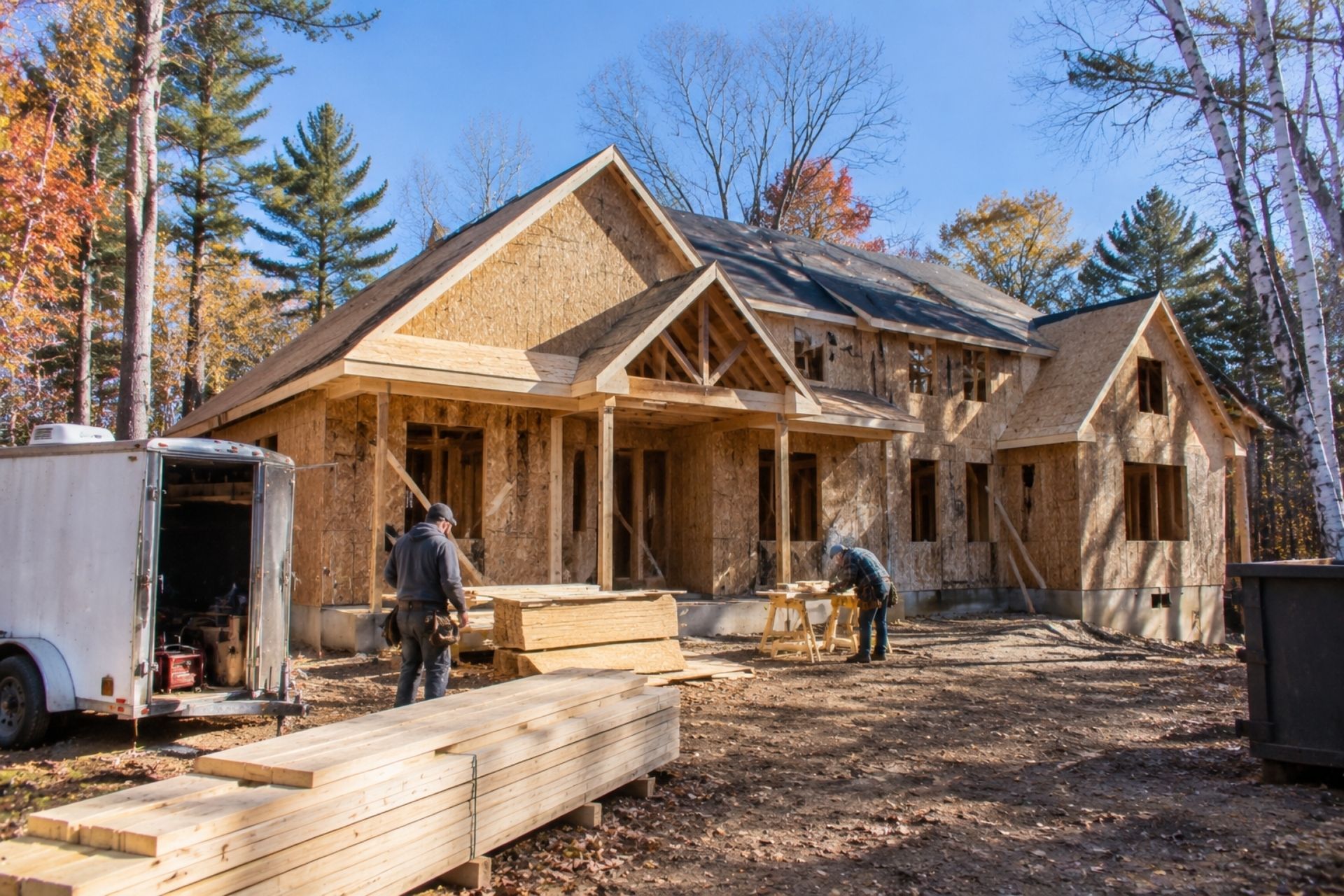
How Much Does It Cost to Build a Custom Home in Minnesota: A Line-Item Look at Land, Site Work, Cons
4 November 2026
Explore the cost of building a custom home in Minnesota, including land, site preparation, construction expenses, permits, and material allowances.
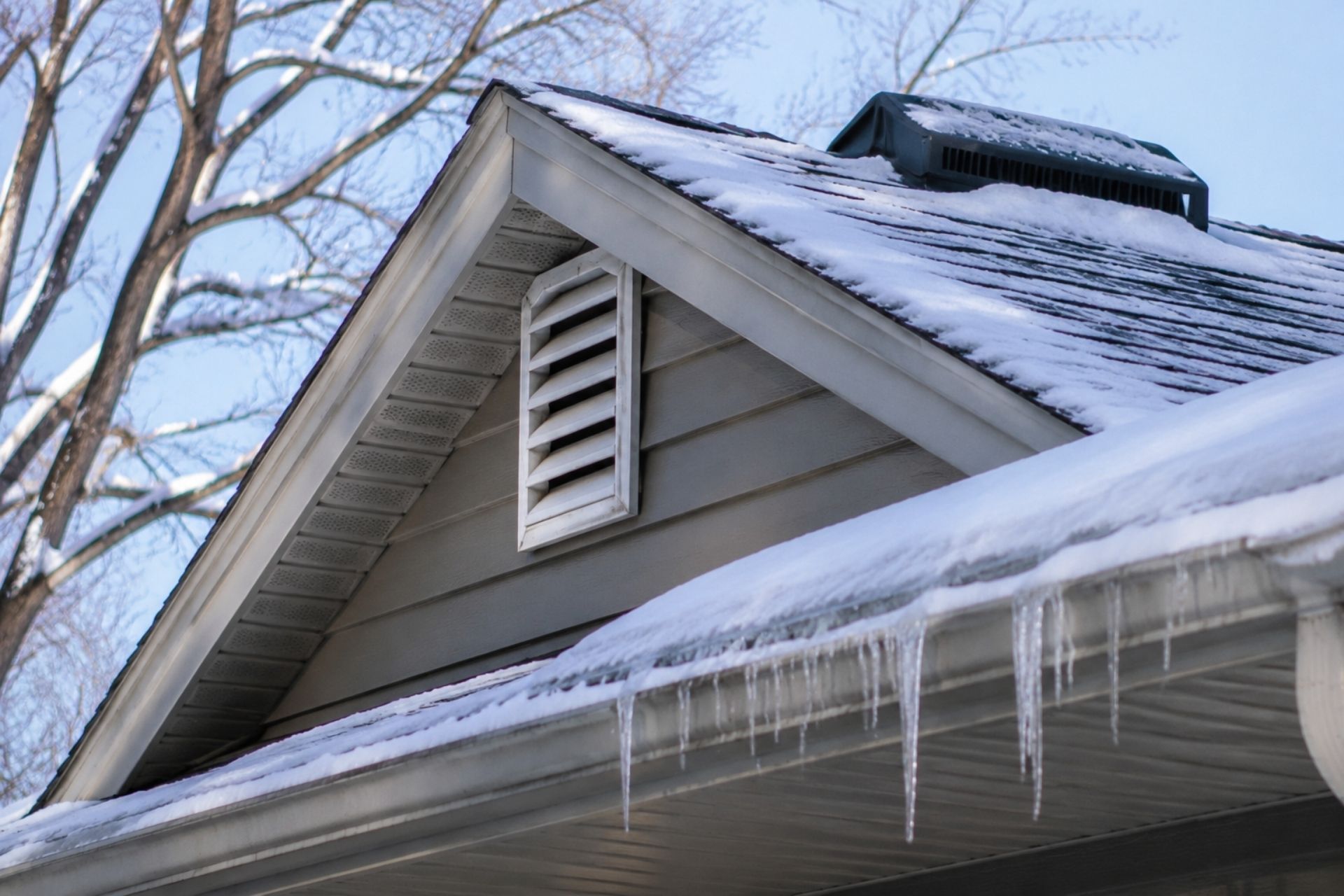
What Attic Ventilation Actually Does in Minnesota: Intake, Exhaust, and Balance, Plus the Winter Sym
4 November 2026
Learn how attic ventilation works in Minnesota, from soffit intake to ridge exhaust, and spot winter warning signs like frost, moisture, and ice dams.
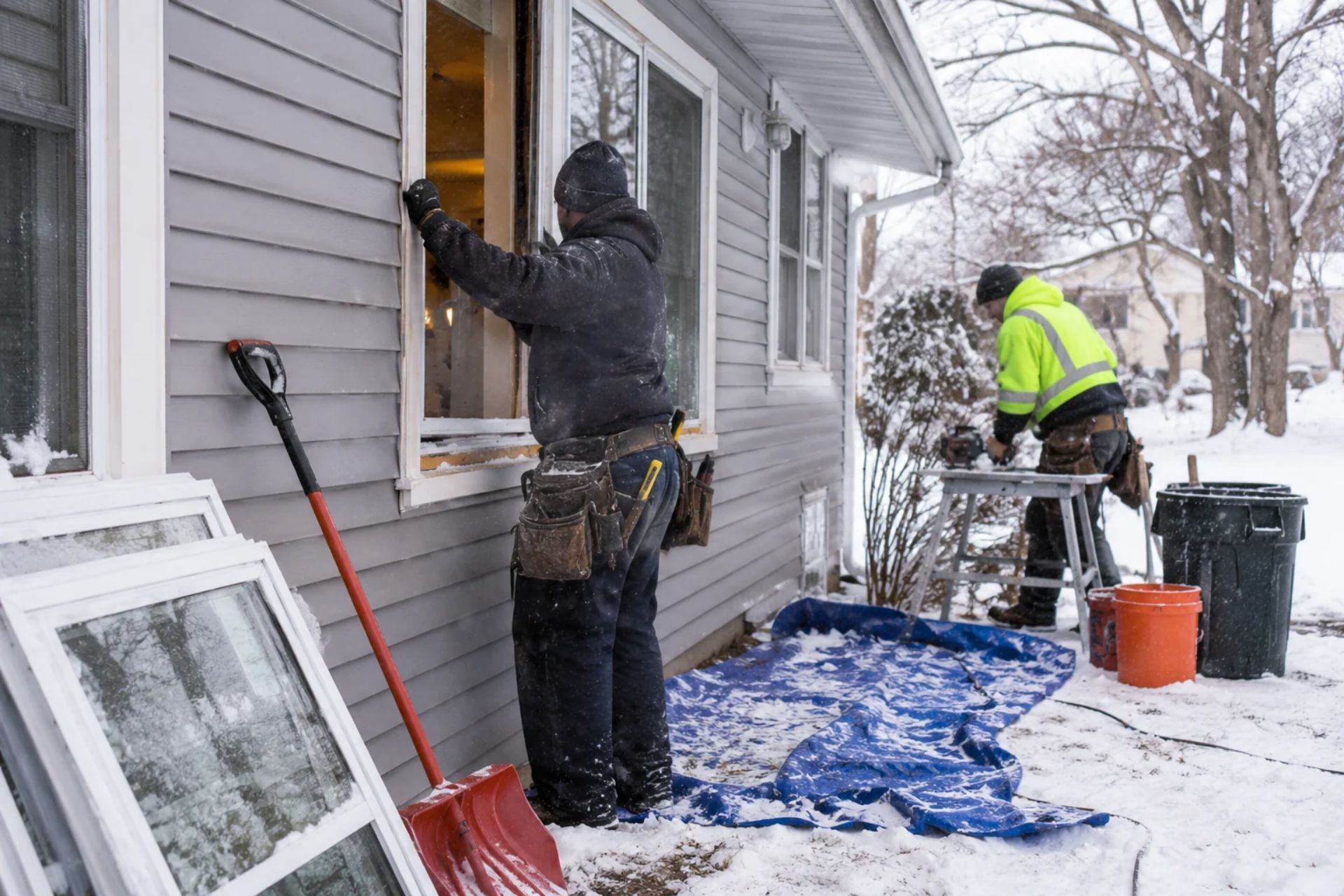
Can You Replace Windows in a Minnesota Winter: How Cold-Weather Installation Works, Room-by-Room Seq
4 November 2026
Discover how winter window replacement works in Minnesota, including cold-weather installation, room-by-room scheduling, costs, and energy savings.
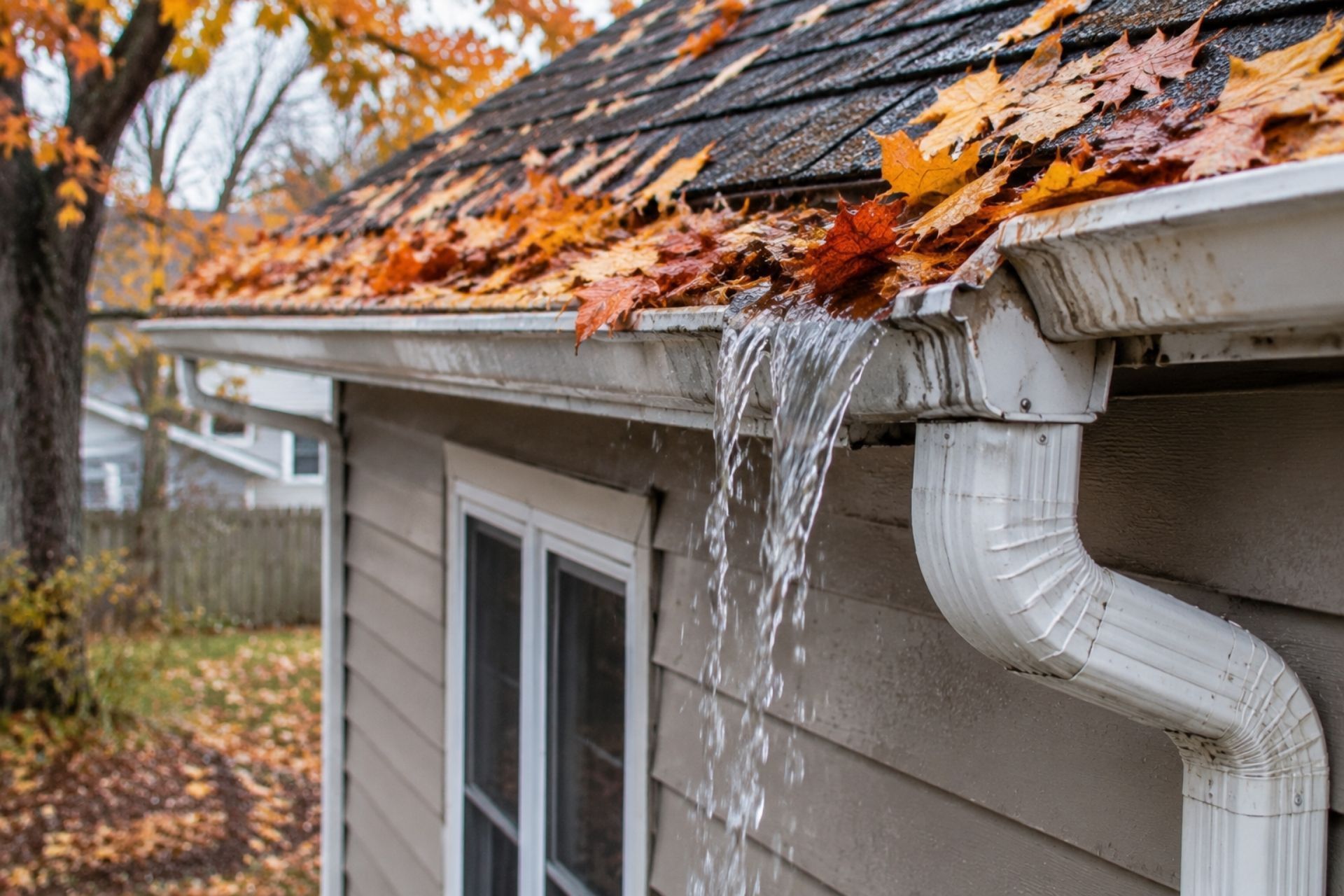
Why Minnesota Gutters Overflow in Late Fall: Leaf Load, Undersized Downspouts, Pitch Problems, and t
4 November 2026
Discover why Minnesota gutters overflow in late fall and how proper cleaning, downspout sizing, gutter repairs, and drainage prevent foundation damage.
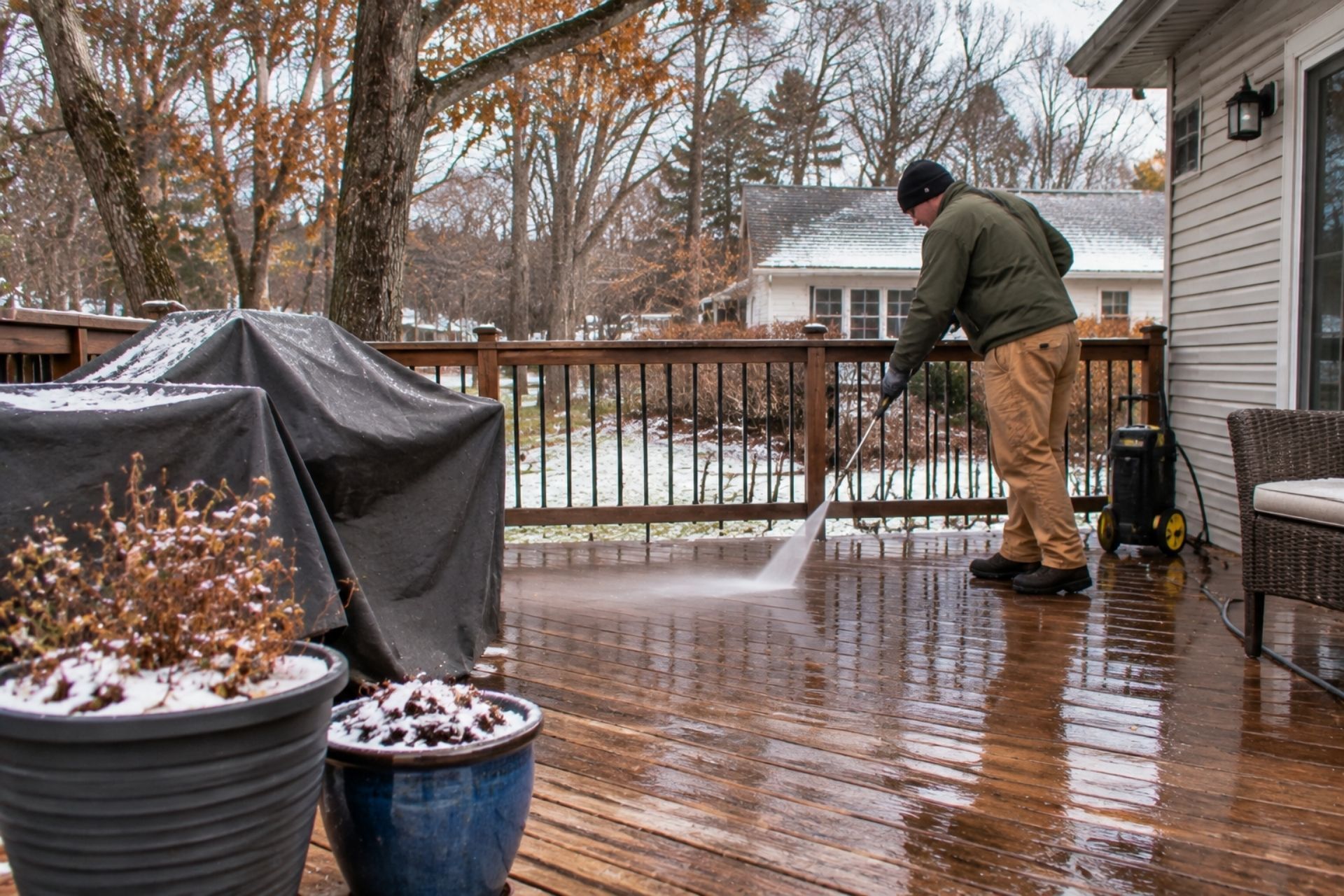
How to Winterize Your Deck in Minnesota: Cleaning, Sealing Windows of Opportunity, Furniture and Pla
4 November 2026
Learn how to winterize your Minnesota deck with expert tips on cleaning, sealing, snow protection, and preventing furniture, planter, and moisture damage.
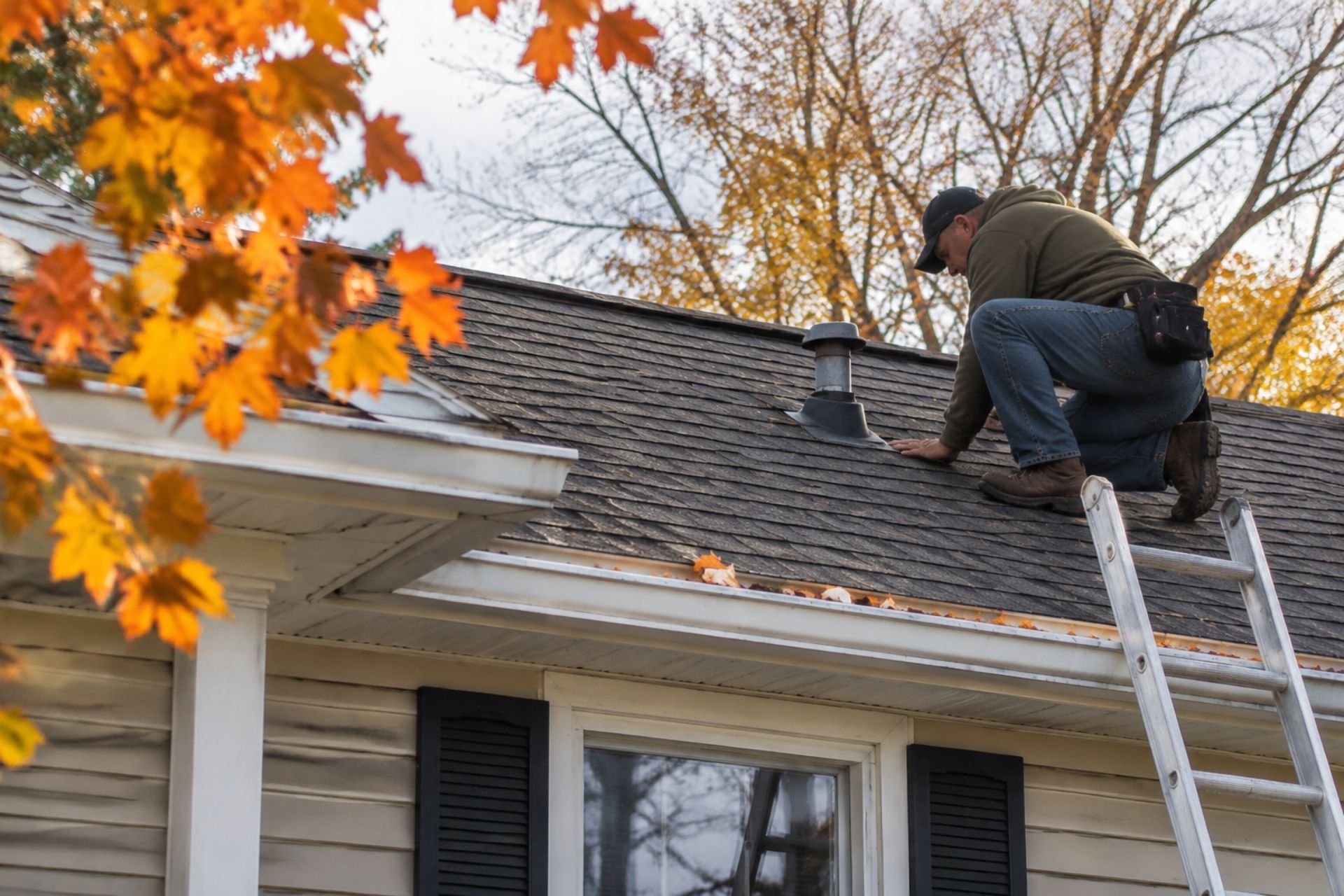
Fall Roof Inspection Checklist for Minnesota Homes: What to Look at After Storm Season, from Shingle
4 November 2026
Prepare your Minnesota home for winter with this fall roof inspection checklist covering shingles, flashing, gutters, ice barriers, and storm damage.
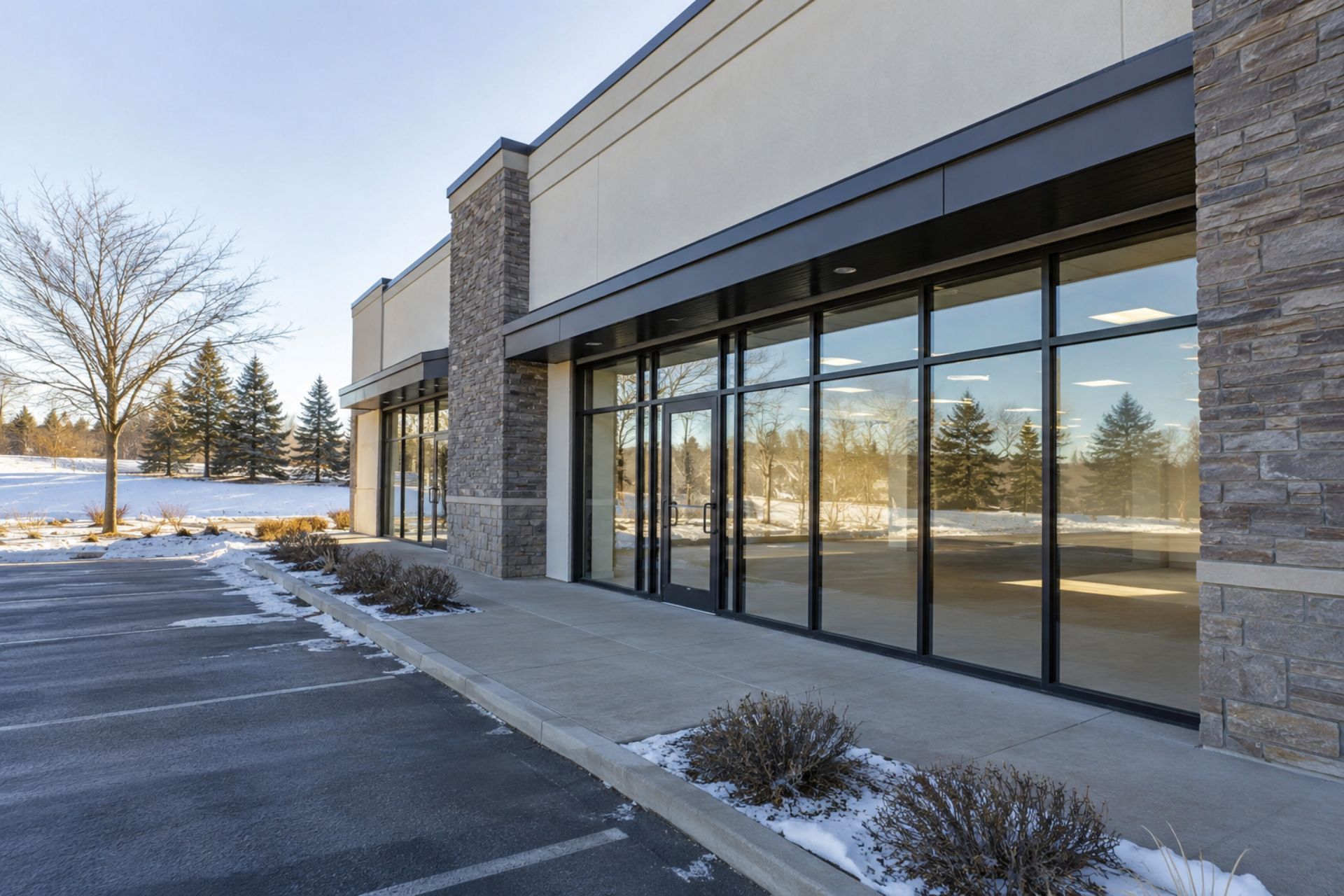
What Is a Tenant Improvement Allowance in Minnesota
4 November 2026
Learn how tenant improvement allowances work in Minnesota, including TI rates, lease structures, build-out costs, permits, budgeting, and tenant control.
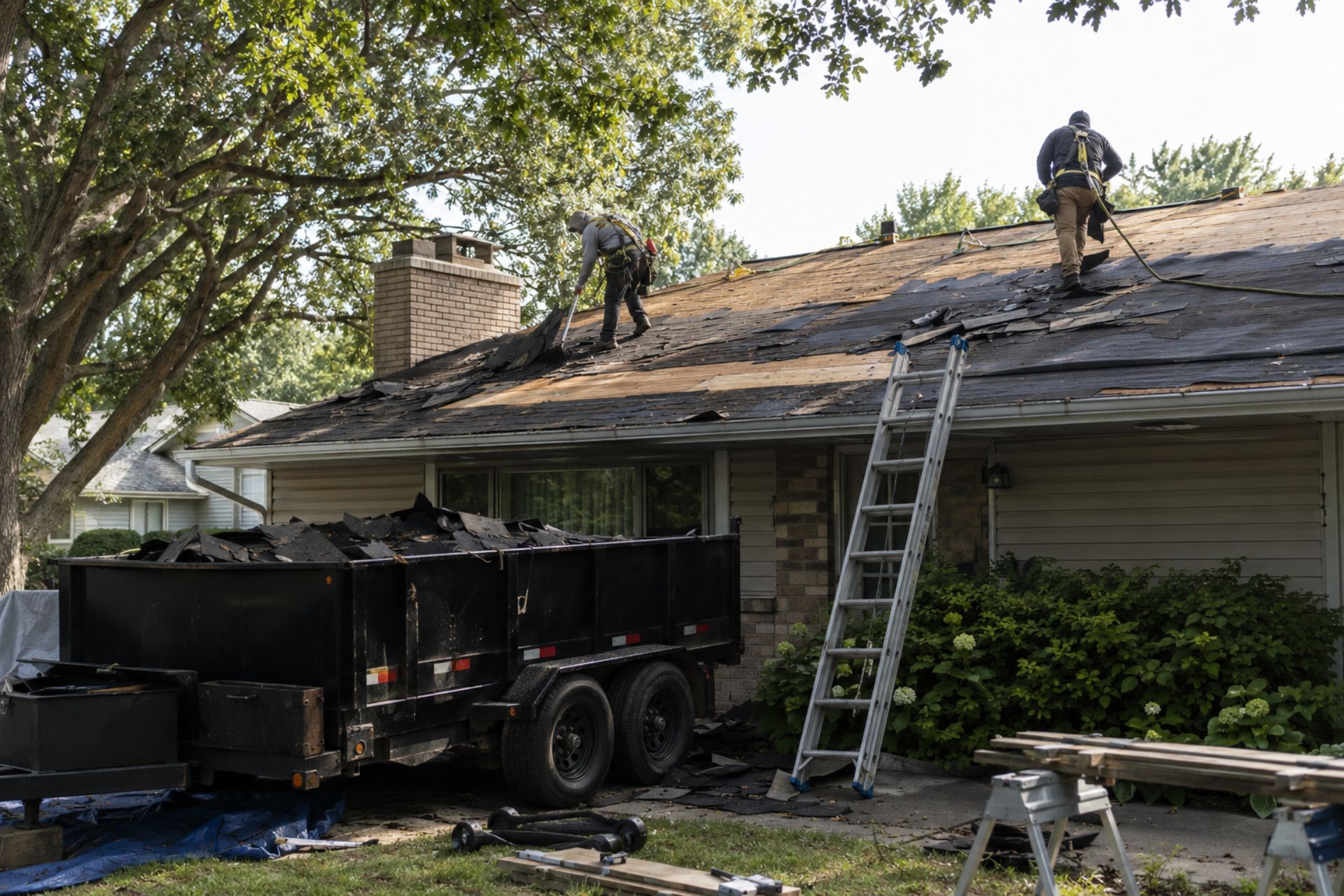
How Long Does a Roof Last in Minnesota
4 November 2026
Learn how long roofs last in Minnesota, including lifespans by material, weather impacts, warning signs, maintenance, and replacement timing.
Show More